The Inheritance of Absence: Diaspora Connect Summit 2025
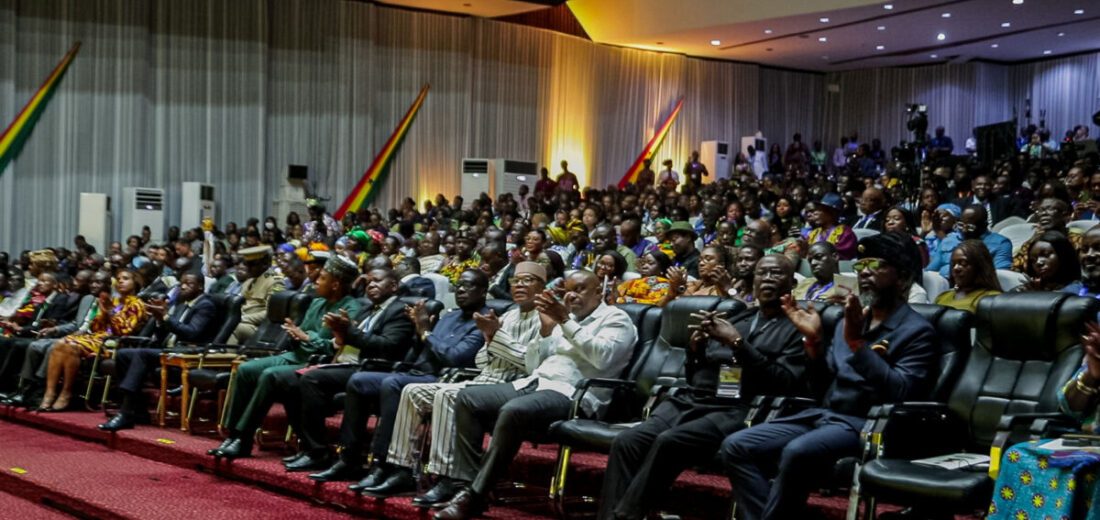
I met a room stirred up in a vertigo of striking statements from a representative of UNESCO, “It’s time we take actionable steps towards repatriation. We must rise, Africa, and reclaim our place after this inhumane transportation of our people, that saw between 12–15 million Africans being shipped like cargo during the Atlantic slave trade. A trade that sought to bury, strip, and denigrate our identity like a commodity. Let us leave this room bearing in mind the names, what they took, and what they broke.”
This statement struck through the receptive audience, which warranted a reception of claps and affirmative roars. This was quite unusual for diplomatic gatherings like this, but little did I know these uproars were a plaintive cry from a depth of void. At the just-ended Diaspora Connect Summit 2025, held at the Accra International Conference Centre in Ghana, one speaker after another echoed the same woes. This summit brought together Africans on the continent and across the diaspora to challenge historical, cultural, and economic fractures created by centuries of displacement born out of the Atlantic Slave Trade. The summit also aimed to explore prospective strategies to confront these gaps.
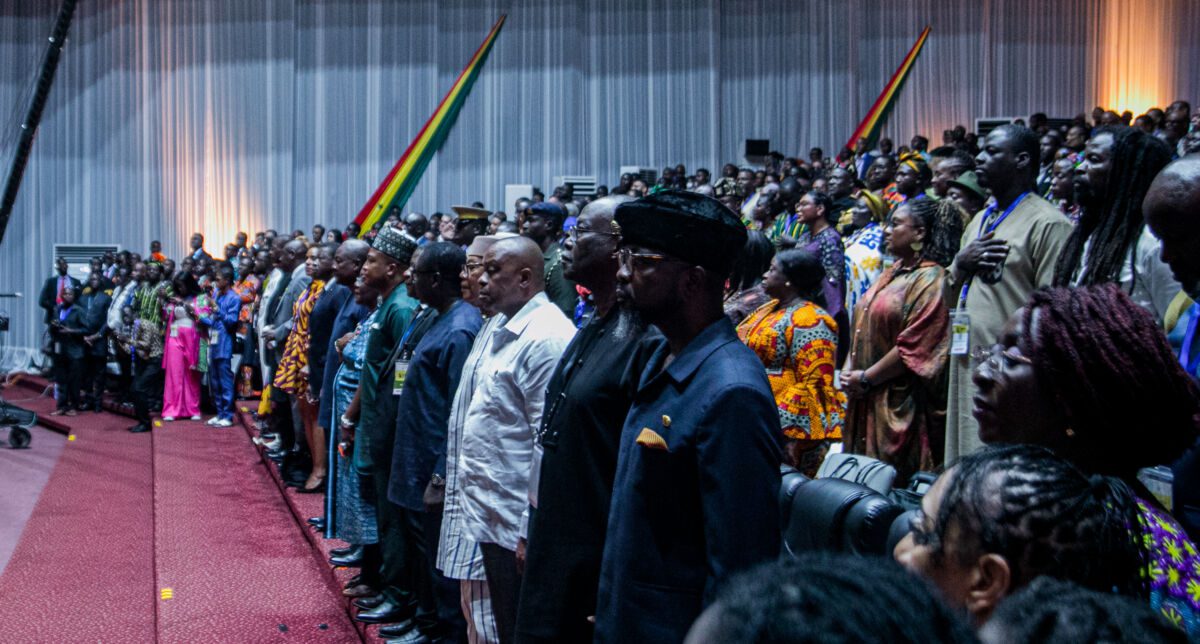
There were a number of dignitaries who graced the stage, but a speech that lingered with most was that of the President of the Republic of Ghana, H.E. John Dramani Mahama:
“When it comes to reparative justice, we ask: what is justice? They want us to develop some form of amnesia about the blood that was shed, the lives that were lost, and years that were sacrificed to attain our freedom. Beyond the material loss that Africa suffered, there are also emotional costs to assess. The Portuguese were the first Europeans on our shores. They began the extraction of peppers, gold, copper, and then moved on to the extraction of human beings. They used the River Volta as a boundary for the furthest they could travel, hence historically referring to the river as ‘Volta,’ meaning ‘the turn’ in Portuguese. The irony of this was that even as our people who were enslaved were being forced through the Door of No Return, their captors had already ensured their own bold, safe return.”
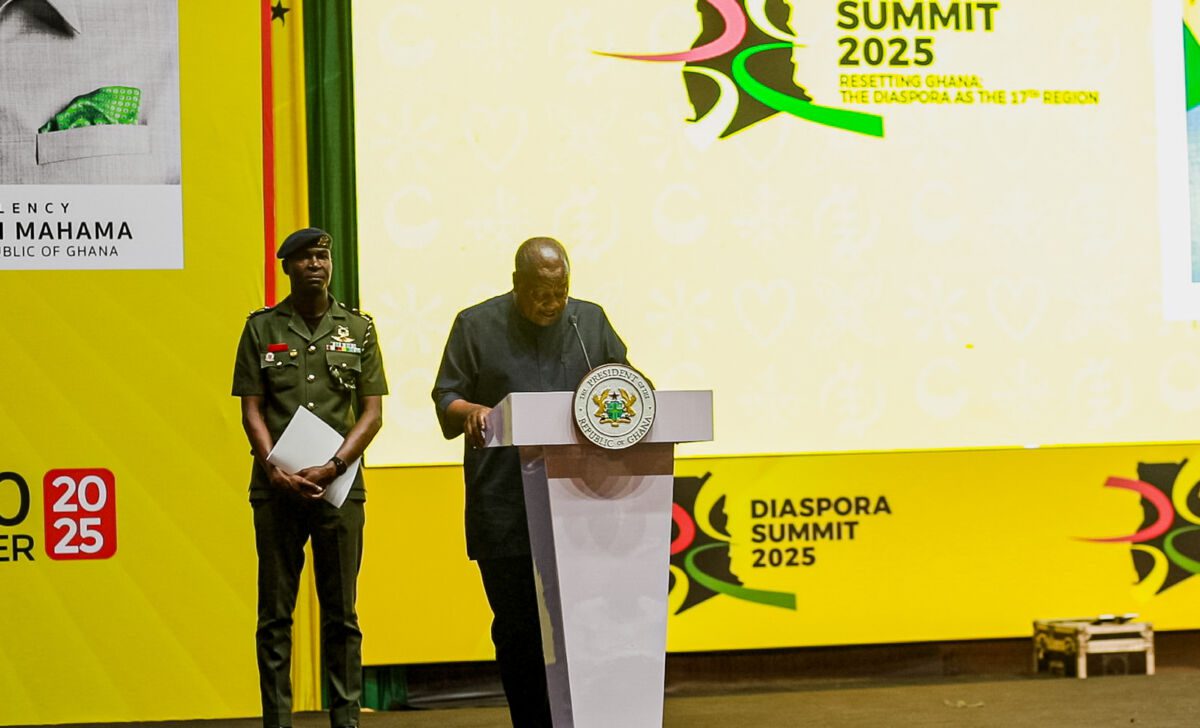 The President of the Republic of Ghana, H.E. John Dramani Mahama
While I sat there, I could vividly see the horror of the Atlantic Slave Trade that took place centuries ago painted on a still canvas: palpitating hearts, fainting dreams, detached souls that would never know home in its truest authenticity, cold melanated skin, and famished bellies sustaining fragile ideas on how to survive as they journeyed to unknown lands. As I drowned deeper into the fuller context of this inhuman act, I gradually began to repel against the sympathetic and horrifying thoughts that engulfed me.
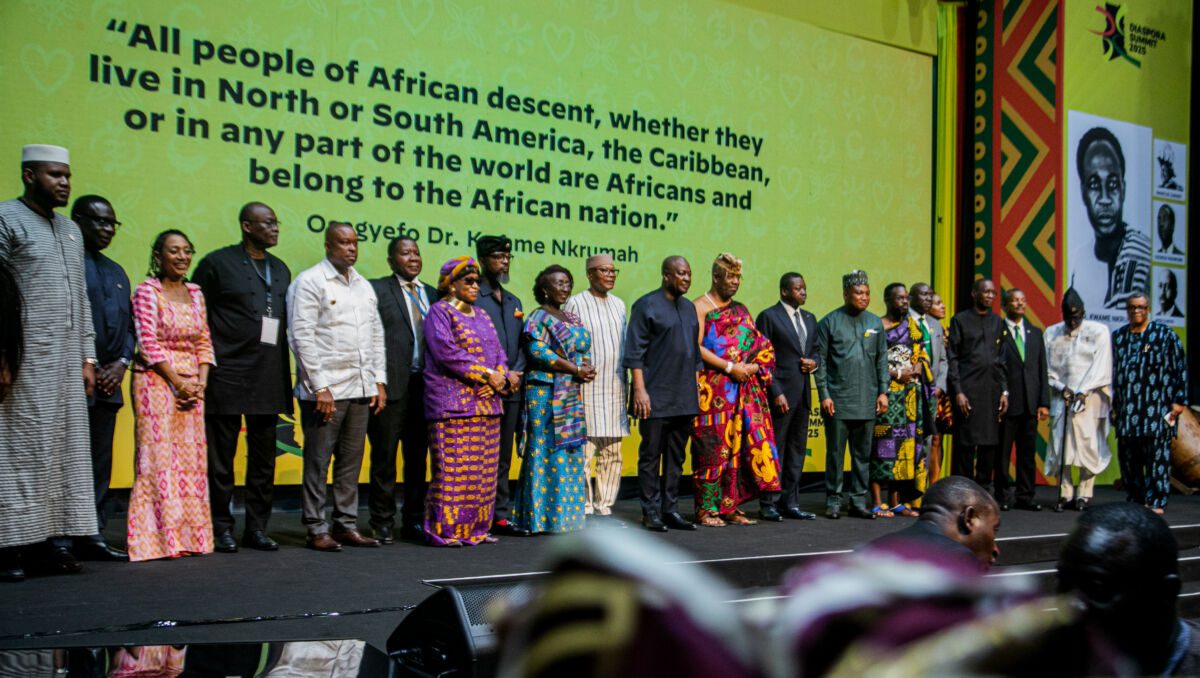
Yes, these past injustices are indelible and have had transgenerational impacts, but I was more horrified about the present-day African diaspora born from this descent _a descent disconnected and displaced from its roots. What is it like to identify beyond your complexion in an environment that denigrates the only memory you bear? This is a truth we indigenes in Ghana, and Africa as a whole, will never fully comprehend, no matter how we try to understand it through events, literature, summits, or travel.
When I looked around the crowd, I could see a blend of persons in African prints, casual outfits, and suits. At first, this was not a striking observation until we broke for lunch recess. As I interacted more with the attendees, I began to notice that most of the persons adorned in traditional outfits or African prints were Black returnees who had come to reconnect with “home,” while the indigenes appeared largely in casual or Europeanized clothing.
I wondered if this had a connotation beyond the superficial. Upon further interactions, I began to comprehend that this extended far beyond an aesthetic statement. It was an emotional, desperate attempt to cling to home, to feel the earth of their ancestors, to fill a void of displacement, healing, and a lost call to belonging_ a home which may never truly hear, provide, nor fully understand them.
As Dr. Carl Lathon, a Black American therapist present at the summit, rightly captured:
“Home is not home to the one who already has a home, but to the child who sleeps in the open, he knows when he finds home. I can tell who here is not Ghanaian by birth. We from the diaspora crave African outfits, ornaments, and artwork because we rarely have anything that affirms our Africanness. No matter how we try, we can never truly be indigenes or fully European. When you check the health history of Black Americans, you realize many suffer from diabetes. When our fathers were taken there, they were not given proper food; they survived on sugar-filled diets, accumulating health challenges that have traveled through generations.”
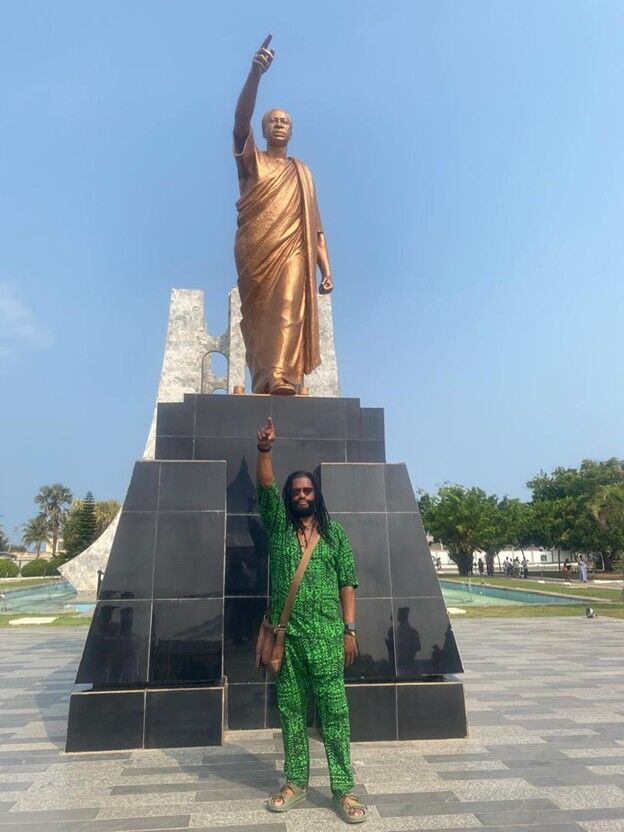 Sefu Melvin Postell a returnee
Sefu Melvin Postell, also from the diaspora, accessorized this assertion:
“When I walk around with African attire, my black friends laugh and tell me, ‘You aren’t African.’ But they are wrong. I’m am African. When I traced my genes, it tells me I’m from West Africa, but I can’t call myself Asante, Hausa, or say I’m from Accra. No matter how I try to use modern tools to reclaim this part of me, my blood has been diluted, and I can’t seem to find the missing piece.”
The more I listened to the words their slanged accents wove, the more I could feel the burden, pain, displacement, confusion, and void that lingered within them. The story of slavery can no longer be told merely to strike nerves and warrant applause from eloquent messengers. This is a story of loss that can never be stitched back in time; a whole generation that will never truly know the language their forefathers spoke, their bespoke dances, their altered genes, inherited trauma, or why they are predisposed to certain illnesses.
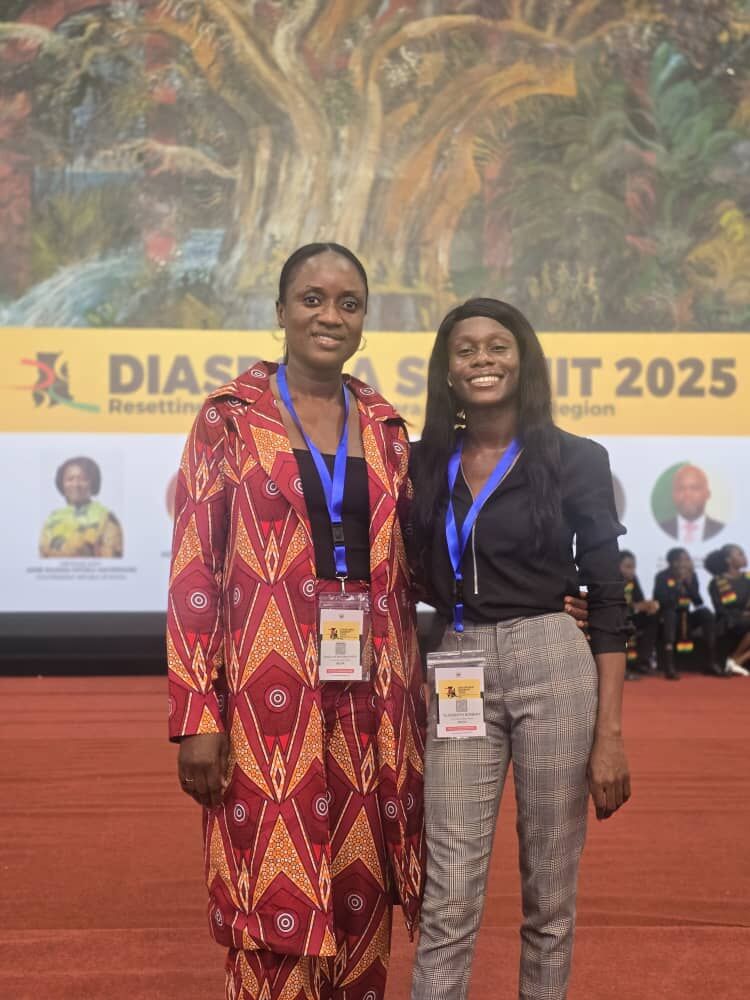 Country coordinator of VVMG on the left and I on the right
I began to understand why they cling to every fragment that reminds them of home: at least something unwashed by the Atlantic, something they can make meaning of through African literature, local encounters, and self-reclamation.
My heart continued to sink as I made my way out of the auditorium and throughout my drive home. This is indeed the cruelest crime against humanity, as President H.E. John Dramani Mahama rightly stated:
“This is the time we must start the reclamation process. At the UN General Assembly, I served notice that Ghana will move a motion next year to recognize the Atlantic Slave Trade as the greatest crime against humanity. We demand acknowledgment of these crimes. We demand the establishment of legal, institutional, and international mechanisms to advance reparative justice. Reparations must include tangible measures such as debt cancellation, monetary compensation, return of stolen artifacts, institutional reform, and transformative economic redress within the global economic system.”
If we as Africans can indeed rise to demand what is right and just for our forebears, our brothers and sisters, we will ignite a healing process for our generation and those unborn. Whether called Brown-skinned, Black American, Black British, or Black Asian _we are all Africans.
Let us embody the theme of the Diaspora Connect Summit 2025 “Resetting Ghana: The Diaspora as the 17th Region”, a theme that reflects the desire to rethink how we engage global citizens, moving past symbolic gestures toward structured, long-term involvement in reparative justice, economic engagement, policy frameworks, and cultural exchange.
Leave a Reply