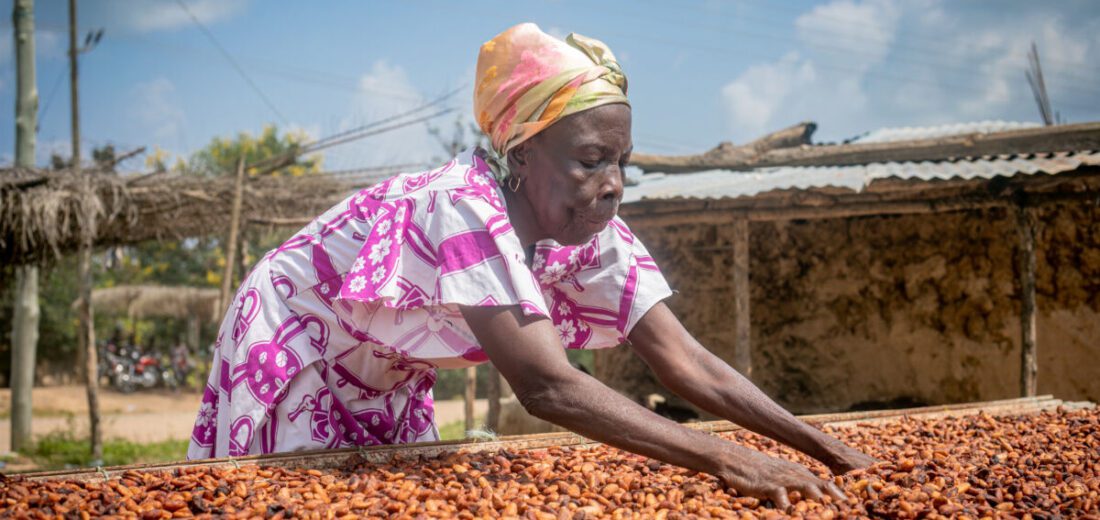
Reframing Cocoa: VVMG’s Perspective Ahead of Amsterdam Cocoa Week
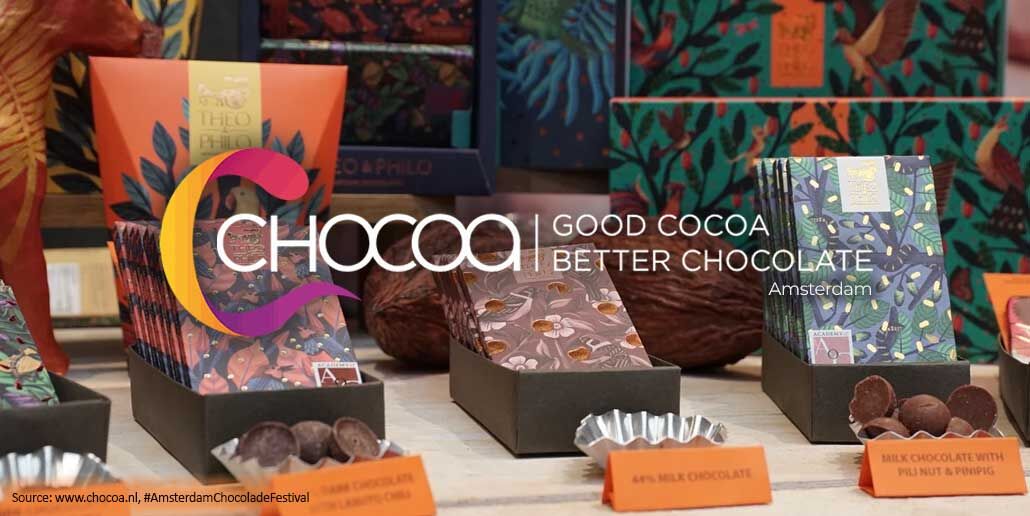
Vice Versa Media Ghana has partnered with Amsterdam Cocoa Week 2026 as an official media partner to document, amplify, and reframe cocoa storytelling from the ground up, placing Ghana’s cocoa farmers, especially women, at the center of global conversations shaping the industry’s future. The week-long event, scheduled for February 2026 in the Netherlands, will convene actors across the global cocoa and chocolate value chain at a moment when the industry faces growing scrutiny over equity, sustainability, and survival.
For Vice Versa Media Ghana (VVMG), this reflects years of field-based reporting, community engagement, and gender-focused storytelling that has consistently returned to one truth that the cocoa economy cannot be understood without listening to the women who hold it together.
Why Amsterdam Cocoa Week Matters
Amsterdam Cocoa Week stands as one of the most influential convenings in the global cocoa and chocolate calendar. Each year, it brings together manufacturers, traders, policymakers, sustainability advocates, researchers, certification bodies, and civil society organizations to debate pricing structures, climate resilience, ethical sourcing, child protection, innovation, and the future of cocoa itself.
These discussions are not abstract. Decisions shaped in Amsterdam influence corporate commitments, regulatory priorities, sustainability funding flows, and public narratives that travel back directly and indirectly to cocoa-growing countries like Ghana.
Yet despite Ghana’s position as the world’s second-largest cocoa producer, voices from origin have historically arrived in such spaces filtered through reports, intermediaries, or statistics, rarely through sustained, independent storytelling rooted in lived experience. This is the gap Vice Versa Media Ghana seeks to bridge.
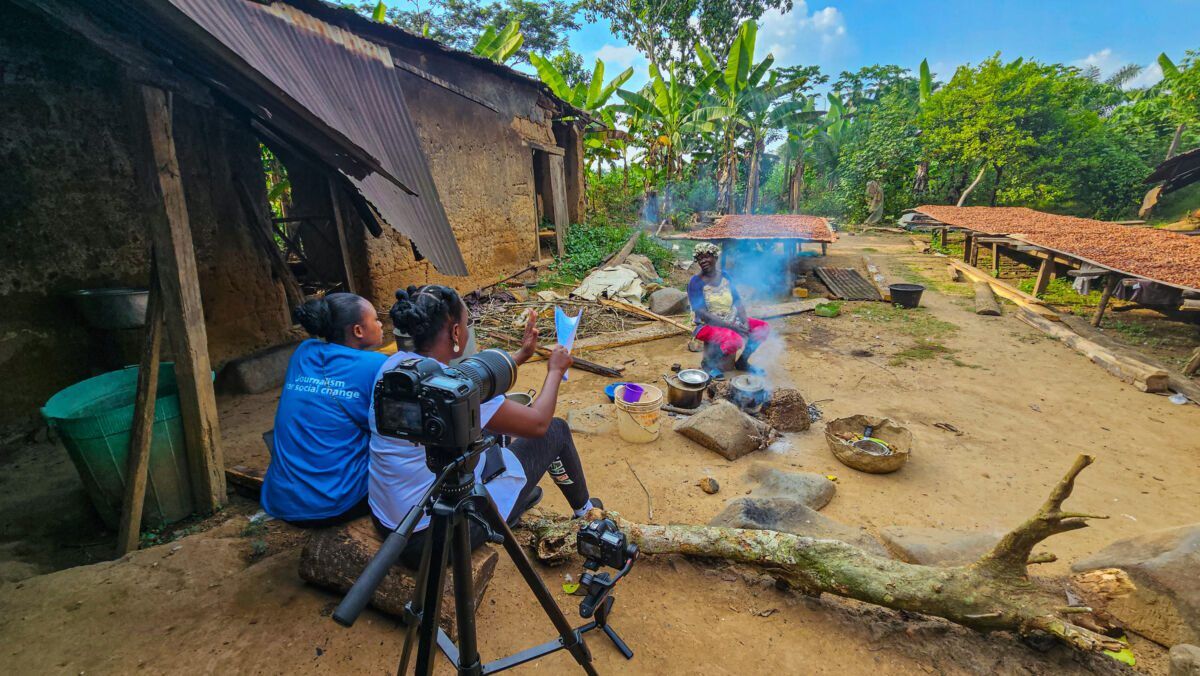
A Media Partnership Rooted in the Field
For Vice Versa Media Ghana, participation in Amsterdam Cocoa Week is about responsibility to origin.
“Our work has always begun from the field. From women whose labor holds cocoa communities together, yet whose realities are barely reflected in global conversations. Our presence at Amsterdam Cocoa Week is about ensuring those realities are seen, heard, and documented honestly.” Says Naana Yaa Boatema Asiedu, Country Coordinator for Vice Versa Media Ghana.
Over the years, VVMG has built a substantial body of work focused on cocoa communities, particularly women through reporting, documentaries, community-based festivals like Women in Cocoa Festival and Green Africa, and profiles that resist simplification. These stories have followed third-generation farmers navigating land insecurity, widows sustaining farms without safety nets, and women organizing for recognition within an industry that often relies on their labor while excluding them from power.
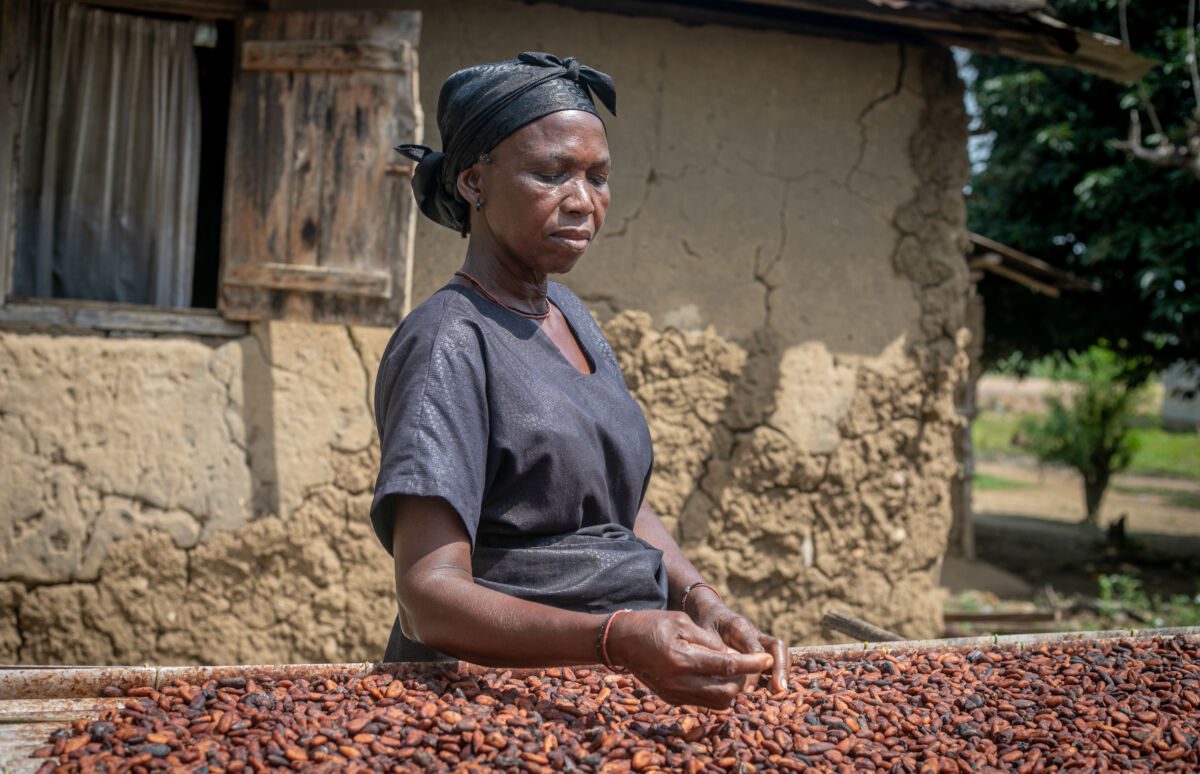
What VVMG Brings to Amsterdam
As media partners, Vice Versa Media Ghana’s role at Amsterdam Cocoa Week 2026 is focus on accountability, committing to origin-led reporting that places farmers, particularly women at the center of the narrative rather than the margins. This means documenting conversations as they unfold, capturing commitments, contradictions, and interrogating the distance that often exists between policy language and lived reality. VVMG’s storytelling is guided by an ethical framework that resists extractive narratives and poverty framing, choosing instead to reflect dignity, agency, and complexity within cocoa-growing communities. From pre-event reporting across Ghana’s cocoa regions, through sustained, on-the-ground coverage throughout the week in Amsterdam, to post-event reflection and analysis, VVMG aims to build a living public record, one that traces how global cocoa conversations intersect with daily life on farms.
As Naana, Country Coordinator for Vice Versa Media Ghana, puts it: “Our responsibility is not to sanitize conversations. It is to represent the interests of farmers truthfully especially women and to ensure their realities are not lost once the spotlight moves on.”
Across Ghana’s cocoa belt, women carry out a significant share of farm labor while also shouldering unpaid care work, food security responsibilities, and household survival. Many inherit farms without inheriting land rights. Others contribute decades of labor without access to credit, extension services, or leadership spaces within cooperatives.
Yet these same women are often the first to adapt to diversifying income streams, experimenting with value addition, and absorbing the shocks of climate change long before policy responses arrive. At VVMG, amplifying these realities is advocacy through journalism.
Conclusion
For Vice Versa Media Ghana, success at Amsterdam Cocoa Week 2026 will not be measured in visibility or access, but in substance and consequence. It will be reflected in whether farmers’ voices meaningfully shape the discourse, whether women’s lived realities move beyond side panels and footnotes into the center of global conversations, and whether commitments made in Amsterdam are documented, tracked, and interrogated long after the event ends.
Ultimately, success will be evident if audiences come away understanding that cocoa does not begin on supermarket shelves or in factories, but in fields shaped by labor, uncertainty, and endurance. This partnership is, at its core, a statement of intent that cocoa storytelling must move closer to its source, and that African media must play a central role in narrating African industries. As the world prepares to gather in Amsterdam to discuss the future of cocoa, the stories from Ghana’s fields are already in motion, carrying memory, labor, loss, and possibility, shaped by lived experience rather than abstraction.
Leave a Reply