A decade of women in Cocoa: Recalibrating Leadership in Cocoa
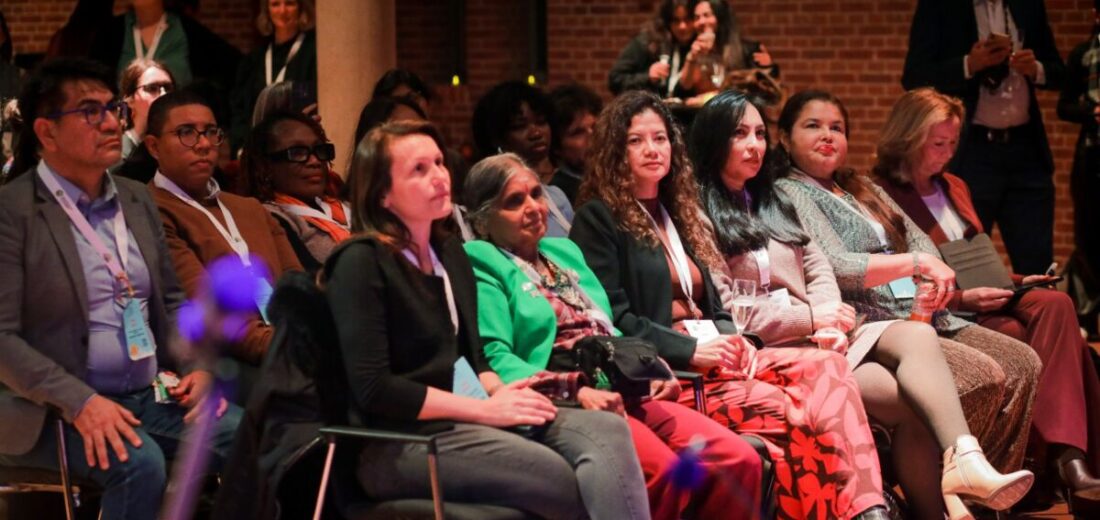
The second day of Amsterdam Cocoa Week 2026 shifted the spotlight from market volatility and sustainability frameworks to something equally structural: leadership, power, and who sits at the table.
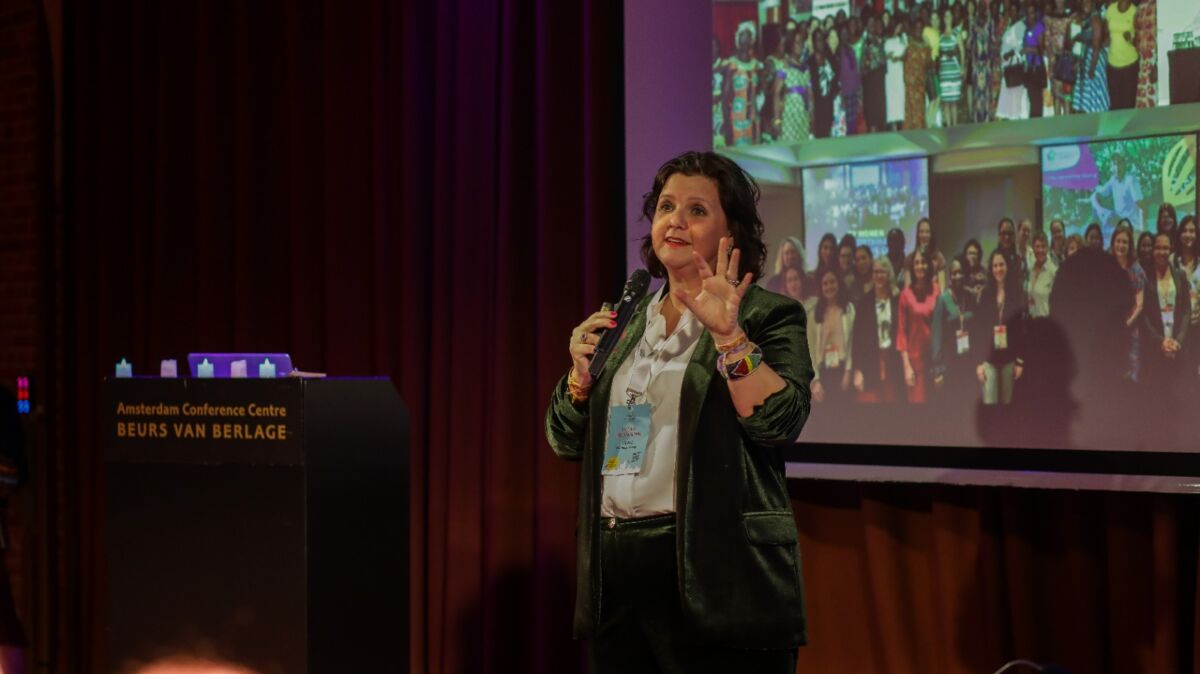
The evening marked the 10th anniversary of the Women in Cocoa and Chocolate Network (WINCC), a movement born in a hotel bar in Singapore.
“I was sitting with Cathy Pieters from Mondelez International,” recalled founder Beatrice Moulianitaki. “We were the only women in the room. We asked ourselves, “How do we change things if there are hardly any women at the table?”
That conversation became WINCC. Ten years later, what began as an informal idea has evolved into a global network that has hosted 21 events and connected more than 2,500 participants, including a growing number of male allies.
Are Enough Women at the Table?
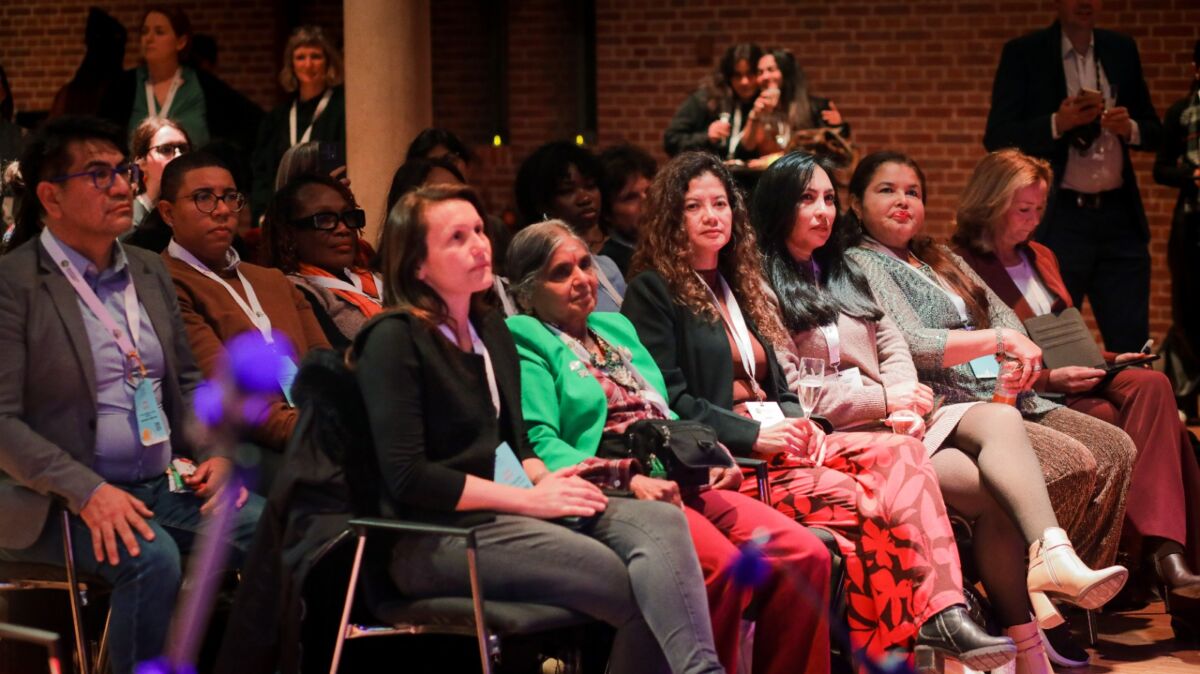
There has been visible progress. Women are no longer anomalies at cocoa events. Panels are more diverse, and representation has improved, yet the structural imbalance remains.
Only 25% of senior management roles and roughly 15% of executive and board positions in many corporate contexts are held by women. And while the cocoa sector has invested heavily in women farmers at origin, far less attention has been paid to women in leadership across the value chain.
“We need to stop fixing women to fit existing systems; we need to fix systems and provide the right support.” Moulianitaki stated.
The evening confronted uncomfortable realities, including pay gaps, promotion biases, health-related attrition, and the care burden disproportionately carried by women. Discussions referenced emerging European legislation on pay transparency and workplace policies addressing menopause, milestones that acknowledge structural barriers rather than individual shortcomings.
Sustainability Needs Futurists and Humanists
The panel that followed placed gender equity within the broader crisis and transformation of the cocoa sector.
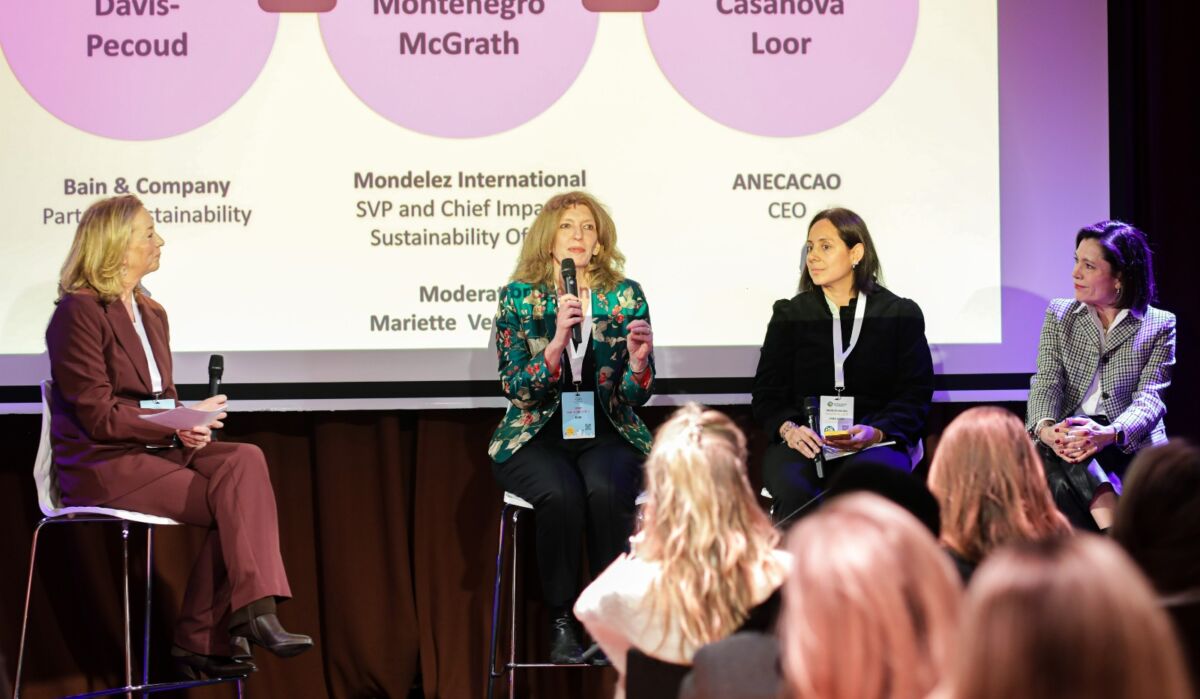
Jenny Davis-Pecoud of Bain & Company described an industry facing a paradox that projected growth of 3–5% toward 2030 alongside price volatility, affordability pressures, and climate risk.
“The sector needs futurists, but it also needs humanists.” she said
Resilience, she explained, means different things to different actors. For farmers, it means surviving climate shocks. For multinational companies, it may mean diversifying supply chains. Aligning those perspectives requires complex leadership, the kind that balances long-term profitability with equity.
Christine McGrath Montenegro of Mondelez International also emphasized that listening has become central to sustainability work. Early research in cocoa communities revealed that women were contributing significantly to farm labor but were excluded from training and leadership.
“Gender equality benefits everyone. When women gain financial literacy and leadership skills, entire households and communities benefit.” She said.
From Ecuador, Marilyn Casanova-Loor highlighted another reality: that representation in participation does not automatically translate into power.
“We have more women participating, but we still need more women at the table.” She said.
Moving From Mentorship to Sponsorship
The organization officially launched the WINCC Mentor Academy – a structured matchmaking program connecting women in cocoa and chocolate with industry professionals who bring at least 15 years of experience. The initiative pairs mentees and mentors for targeted conversations aligned with career transitions, leadership growth, or sector navigation.
Marika van Santvoort, co-architect of the program, explained the urgency:
“Entrepreneurship and leadership can feel lonely. There were so many times I wished I could call someone who had walked the path before me.”
Data from early sign-ups revealed telling patterns. Many applicants are mid-career women in sustainability or impact roles, often positioned adjacent to decision-making but not embedded within it. Others are early-career professionals seeking to understand the ecosystem. Senior leaders seek strategic sparring partners.
The Academy also distinguishes between mentoring and sponsorship.
“Women are often over-mentored and under-sponsored; mentors give advice, but sponsors create opportunities.” Davis-Pecoud noted.
The initiative includes a sponsorship mechanism allowing companies to fund access for women who otherwise could not afford participation, an effort to ensure geographic and economic inclusion, particularly for professionals from cocoa-producing countries.
The Role of Male Allies
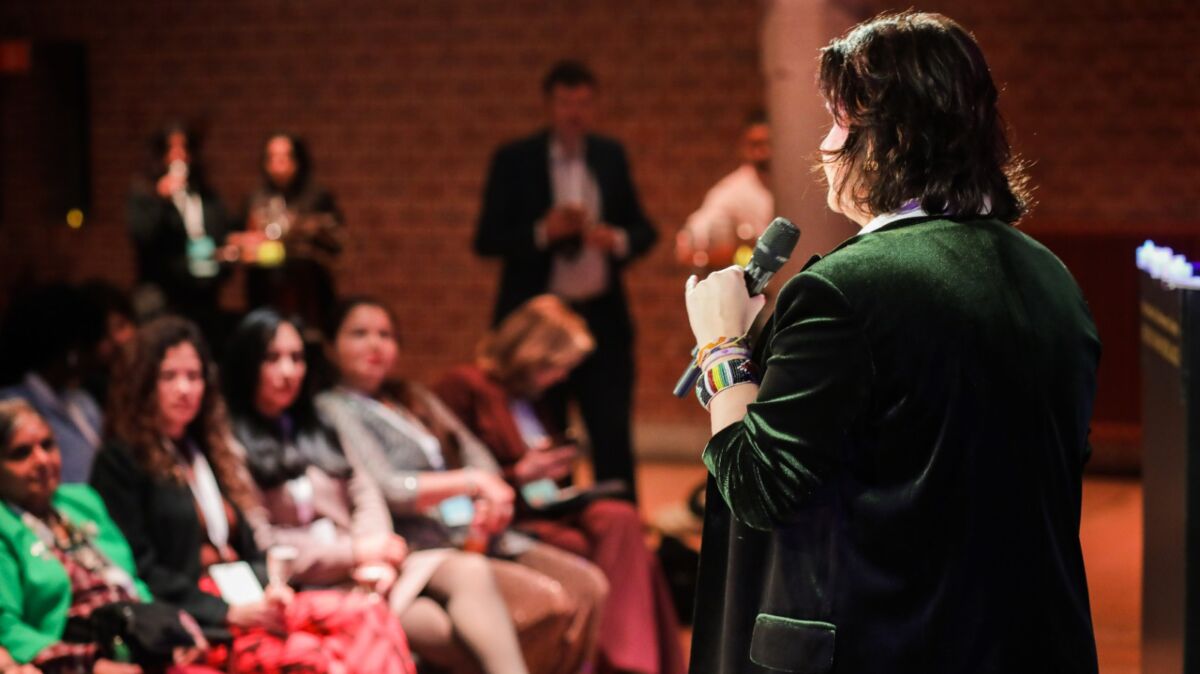
A notable moment came when Anthonie Fountain took the stage and addressed the room candidly.
“The reason women are not treated equally is not because of women; it’s because of people like me,” he said.
His remarks underscored a recurring theme: thus, structural change requires male participation. Leadership equity is not a women’s issue; it is a sector issue.
The cocoa industry, already navigating climate shocks, price swings, regulatory shifts, and supply uncertainty, cannot afford to exclude half its leadership potential.
Beyond Celebration
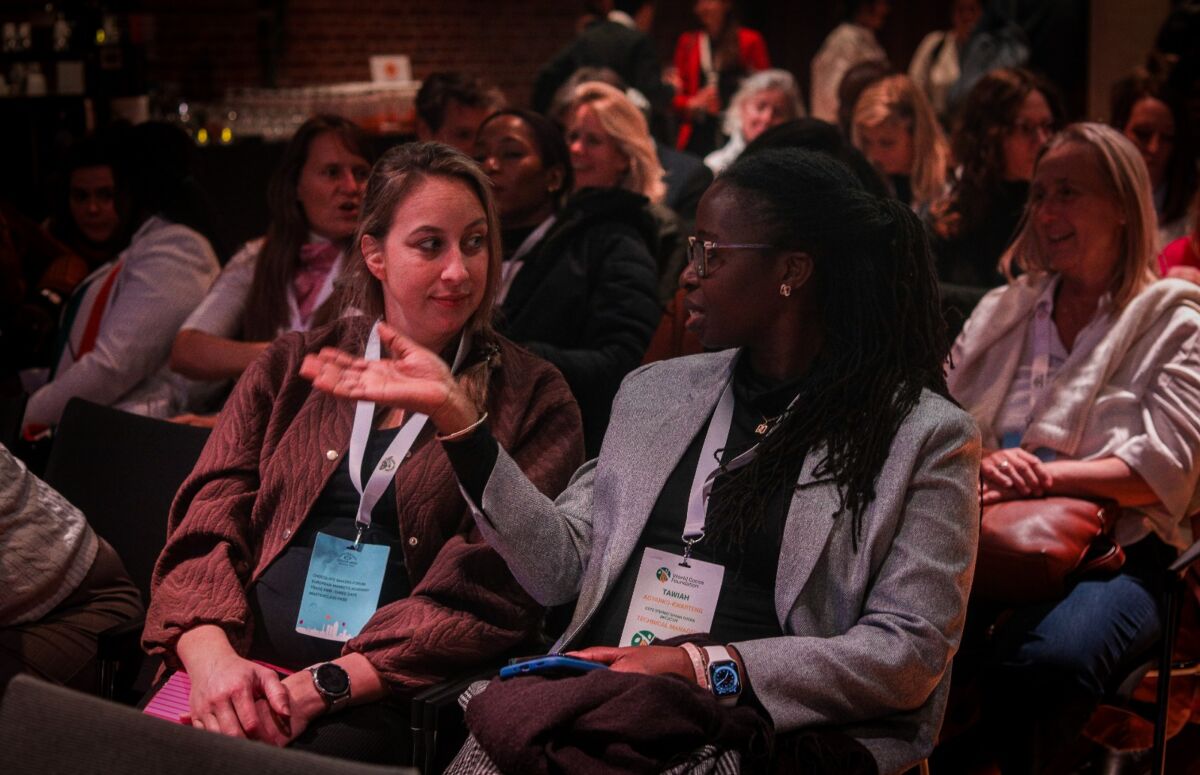
As the evening concluded, the anniversary felt like a recalibration. The future of cocoa depends on innovation, collaboration, and long-term thinking; hence, who holds influence matters. And as the sector confronts volatility and transformation, the question is no longer whether women belong in the mix; it is whether the industry can afford not to move them decisively into leadership.
Leave a Reply