
Localisation Is Not a Transfer of Tasks, but of Trust
With Lina Alkhawaja (Jordan), Beatrice Gichohi (Kenya), and Amarachi Kalu (Nigeria), Country Leads of the Challenge Fund for Youth Employment (CFYE)
Localisation has become one of the most overused words in development cooperation. Yet behind the buzz, it often still means local actors doing more with less. In this honest and far-ranging conversation, three Country Leads from the Challenge Fund for Youth Employment (CFYE) share what it takes to move from rhetoric to reality.
The first attempt to have this conversation failed. Amarachi Kalu was in the car, caught in Lagos traffic. Beatrice Gichohi was somewhere in the Kenyan countryside, where the internet kept cutting out. We decided to try again.
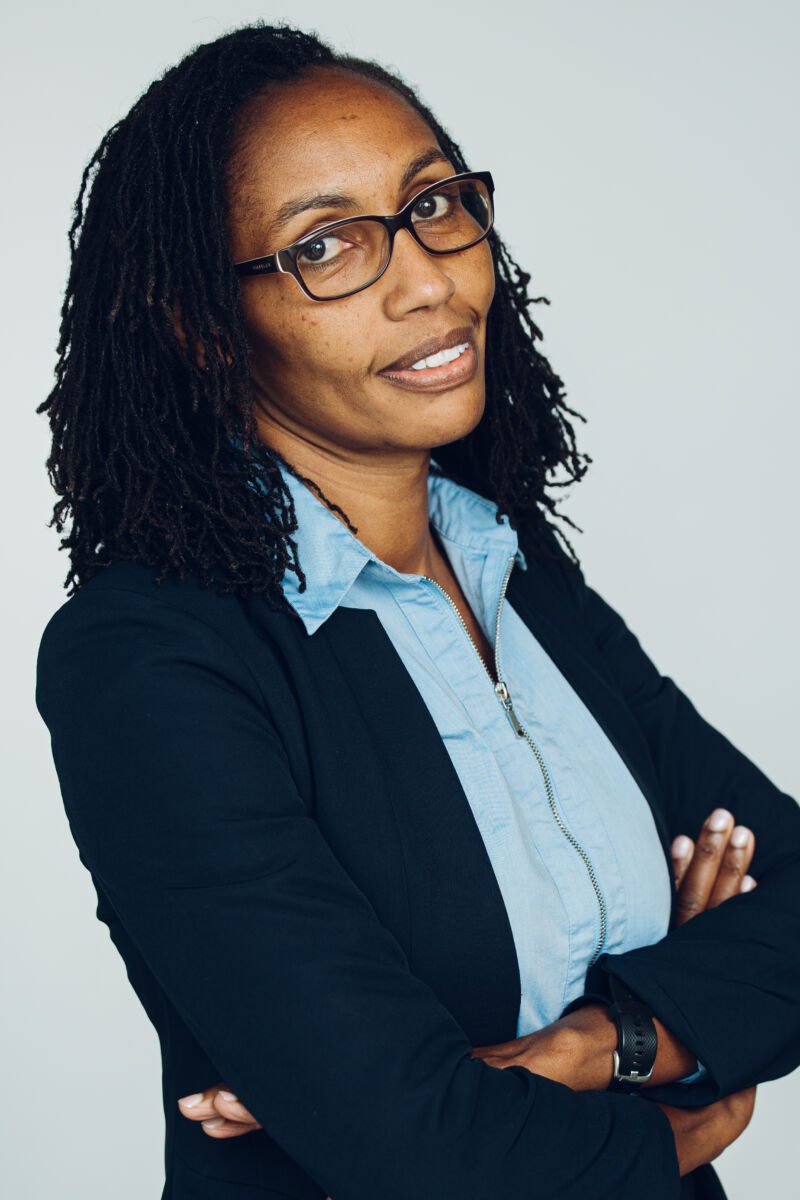
A week later, the timing finally worked: a warm afternoon in Lagos, an early evening in Nairobi, and a late night in Amman. Three faces appeared on the screen, calm, focused, ready. What followed was a lively discussion about power, ownership, and the kind of learning that only happens when you stop pretending to have all the answers.
‘The so-called ‘dump and delegate’ model is everywhere,’ says Lina. ‘International organisations talk about localisation, but local actors are rarely given the authority or tools to lead effectively. That is not localisation, that is outsourcing.’
Amarachi nods. ‘Often, projects are designed to please donors. Every funder now wants to hear the word ‘localisation.’ However, too many designs are based on the assumption that what works in Kenya will automatically work in Nigeria. Local staff are given impressive titles but no real authority. On paper, you are the country director; in practice, you are implementing someone else’s plan.’
Beatrice adds, ‘Solutions are created for Africa, not with Africans. It is like prescribing medicine before diagnosing the illness. And when local partners are handed projects they were not prepared for, failure is almost built in.’
Lina continues, ‘Empowerment is not about handing people responsibilities and disappearing. It is about ensuring they are equipped, trusted, and supported to make decisions. Real localisation requires power-sharing, not project-shifting.’
Beatrice leans forward. ‘Many organisations talk about localisation but still cling to control. Donors design the projects, and local staff fill out the templates. The real question is: what do international organisations lose when they truly empower local teams? That fear of losing relevance keeps many headquarters from letting go.’
Amarachi agrees. ‘Sometimes localisation becomes performance. The local people are visible, but every key decision still runs through headquarters. I once had a colleague resign after being second-guessed by someone thousands of miles away. It was not about ego, it was exhaustion.’
Lina adds, ‘True localisation is more cost-effective in the long run. The wrong kind, where you outsource strategy and delivery, is actually more expensive. Empowerment may take time, but it pays off.’
All three Country Leads admit that CFYE itself had to learn this lesson. ‘In the early days,’ says Lina, ‘technical assistance was designed centrally in Utrecht and then handed over as a finished product. We learned quickly that it does not work that way.’

Beatrice recalls: ‘In Kenya, we once delivered a financial management training to a small, family-run SME. European consultants, full of policy frameworks and audit language, designed it. Yet, the business did not even have a finance department. The impact was almost zero. Once we started using local experts who understood informal businesses, family dynamics, and rural realities, things improved immediately.’
Lina nods. ‘That is when we realised localisation is not just an approach; it is a commitment. A commitment means you are willing to share power, listen more, and take joint responsibility for outcomes.’
In Jordan, CFYE now begins each partnership with co-creation. ‘We hold workshops where companies themselves identify what is holding them back,’ Lina explains. ‘Sometimes it is something specific, like creating safe workplaces for women in conservative regions. Because these conversations happen in Arabic and in context, the solutions are grounded in reality, not donor assumptions.’
In Kenya, Beatrice describes a cultural shift. ‘We have started hiring regional consultants who guide entrepreneurs in their own communities. The feedback from partners has been amazing: ‘*Now you really understand us.’ What used to feel like supervision now feels like collaboration.’
And Amarachi adds: ‘A Dutch partner once said to us, ‘You are closer to the reality, you decide.’ It was a small gesture, but it changed everything. We could respond faster and adapt to challenges without waiting for approval. The results were better simply because the team felt trusted.’
Amarachi shares an example. ‘There is a village where a donor built an ‘ultra-modern’ public toilet. It had running water and tiles. But nobody had taught the community how to use it. People still defecated on the floor, not out of ignorance, but because they had never used a flush toilet before. The project was abandoned. The donor report said: ‘Facility delivered, objective achieved.’ But the real impact? Zero.’
He continues: ‘It is the same in economic projects. We talk about ‘jobs created,’ but five jobs in a rural area with no road or electricity can mean far more than fifty in a city. Without local context, numbers lie.’
Lina agrees. ‘Every project must start with a real needs assessment. Otherwise, we are just guessing.’
Beatrice nods. ‘Even within CFYE, we have learned that some targets, like requiring fifty percent women, can clash with cultural realities. At CFYE, our general target is to ensure that fifty percent of jobs go to women; however, in practice, we adjust this percentage to local realities. Localisation means adjusting, not applying a single formula everywhere.’
Amarachi laughs. ‘For most people in Nigeria, life begins at 30. The UN defines youth as 18 to 35, but at eighteen, you are still in school, and at 25, you are still figuring things out. The people most eager to work are often above 35, with children, with responsibilities.’
‘At one training session, two hundred people came. Ninety-eight percent were over 35. Officially, they did not count as youth, but they were the ones who showed up and worked hard. Our partners quietly hired them anyway.’
Lina smiles. ‘A perfect example of why rigid definitions fail. Localisation means flexibility.’
Beatrice adds, ‘We saw the same with co-funding. Some small businesses could not match fifty percent of the project costs, but they had huge potential for impact. We now use tiered models, allowing smaller players to join as well. Flexibility makes inclusion possible.’
Why do they think letting go is so hard? ‘Localisation challenges power structures,’ says Beatrice. ‘Take an NGO headquartered in the West with a branch office in Kenya. The local office thrives because of the HQ’s brand and systems. Once it is strong enough to operate independently, HQ fears losing its purpose. It is not malice, it is self-preservation. But until that fear is addressed, real localisation will not happen.’
However, they do think Western organisations still have a role to play. ‘Yes,’ says Lina, ‘but not the same one. Western organisations bring valuable knowledge and networks. For instance, Jordanian companies in CFYE’s programme benefit from Dutch expertise in supply chains. But the balance must shift: less overhead, more impact.’
Beatrice agrees. ‘The era of big budgets for consultants and expensive hotels is over. Cuts in aid could actually make the system fairer, forcing everyone to measure real outcomes.’
Amarachi adds, ‘In Nigeria, we are seeing local development companies emerge, businesses that deliver social impact but are owned and led by Nigerians. The future is not about separation; it is about genuine partnerships built on equality.’
The discussion expands beyond CFYE. ‘The global aid architecture is outdated,’ Lina says. ‘It was designed when rich OECD (Organisation for Economic Co-operation and Development) countries gave aid to ‘the rest.’ But seventy-five years later, the world has changed. Middle-income countries have experienced rapid growth, while others continue to struggle with poverty or conflict.
‘That creates new dilemmas: global challenges require investment in middle-income countries, but poverty reduction is still needed in the least developed ones. Meanwhile, many people on the receiving end feel uneasy about dependency. Surveys show that two-thirds of Africans would rather pay higher taxes for national development than depend on foreign aid.’
Beatrice nods. ‘Exactly. What we are seeing is a necessary transition: from charity to collaboration, from dependency to partnership.’
Amarachi adds, ‘Cuts in development aid are forcing innovation. The question is no longer, ‘How do we spend more?’ but ‘*How do we spend smarter?’ That can lead to more equality if local actors are trusted with real responsibility.’
Lina agrees. ‘And it is not just about money. It is about mindset. NGOs must evolve. Being a non-profit does not mean being dependent. They must become more innovative and take ownership, even take risks. The days of following Western priorities to secure funding must end.’
CFYE’s private-sector model is part of that shift. ‘With businesses,’ Amarachi explains, ‘sustainability is built in. We vet their financial capacity and leadership. If they qualify, we are confident that they will continue after the programme ends. When aid flows through ministries, money often disappears. But businesses keep operating and keep employing.’
Lina adds, ‘That is why we call it co-investment, not a grant. Both sides contribute. That ensures shared responsibility.’
Beatrice smiles. ‘CFYE has been a learning programme in every sense. Because our country teams manage the projects locally, we can adapt quickly. Kenya and Nigeria are different worlds: flexibility is our secret ingredient.’
‘If we really talk about market systems,’ Beatrice continues, ‘we must look at the entire ecosystem. We have supported individual businesses, yes, but imagine if we addressed ecosystem barriers like infrastructure, regulation, and skills. Then far more people would benefit. It takes longer, but that is how you create sustainable impact.’
Lina adds, ‘It is also about changing perceptions. Stop calling people beneficiaries. They are not recipients. They are actors in their own economies. Localisation is not charity; it is collaboration.’
Amarachi nods. ‘That is what makes CFYE different. It is not about giving; it is about co-creating. That mindset shift is the real innovation.’
As the conversation winds down, we ask: if each of them were the Dutch Minister for Development Cooperation for one hour, what would they change?
Amarachi does not hesitate. ‘Understand the local context. Talk to people who live with the challenges, not just those who report on them. Solutions must come from the ground up.’
Lina says, ‘Give ownership to local actors and, most importantly, learn from failure. Do not just measure success; study the mistakes.’
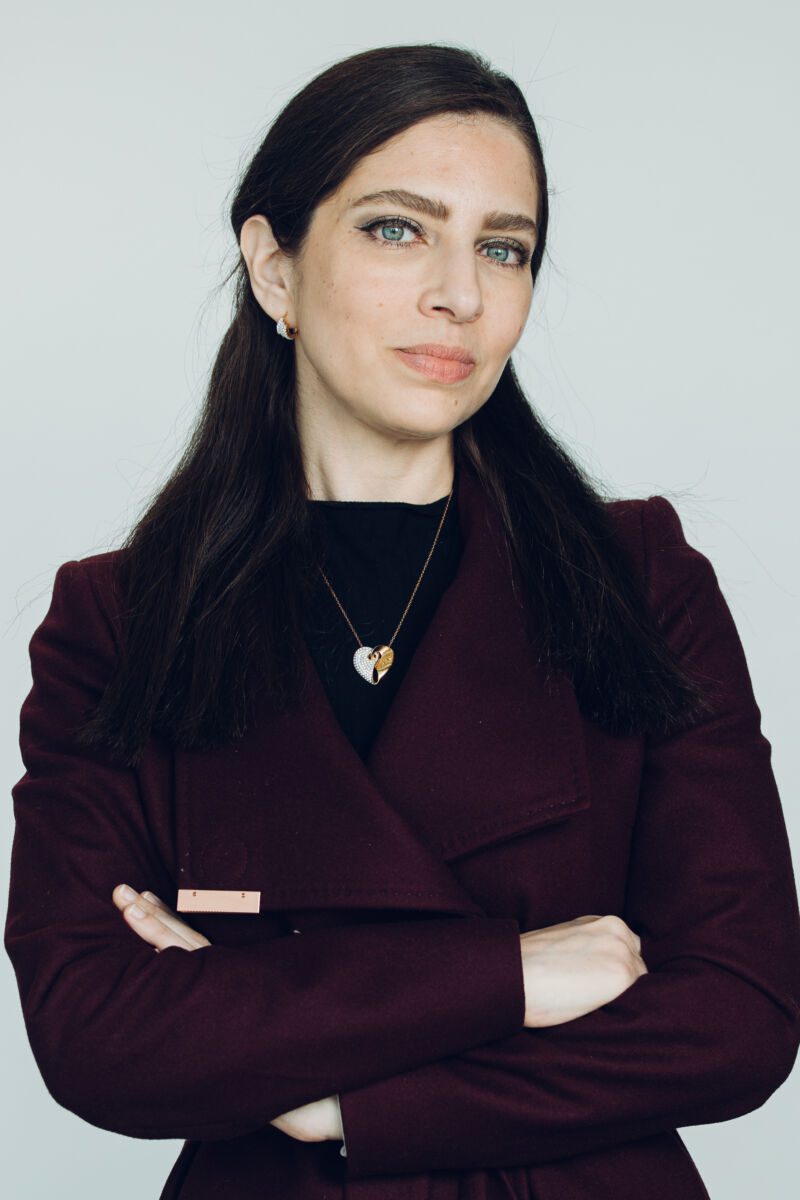
Beatrice smiles. ‘I would take a long-term view. Stop funding short two-year projects. Bring together governments, businesses, and communities. Build ecosystems, not projects. Real development takes time.’
As the call ends, the three faces on the screen relax. There is pride in their voices. ‘CFYE is not perfect,’ Lina says, ‘but it is a genuine experiment in partnership. We are learning together.’
‘I have seen my team grow into leaders,’ adds Beatrice. ‘People who once hesitated now mentor others. That is a real impact. Not just jobs created, but confidence built.’
And Amarachi, ever pragmatic, concludes: ‘Every mistake is a chance to listen better. Localisation is not an end goal; it is the process of finally treating each other as equals.’
Box text: Challenge Fund for Youth Employment
The Challenge Fund for Youth Employment (CFYE) is a programme funded by the Netherlands Ministry of Foreign Affairs that aims to create, match and improve decent, sustainable work for young people in Africa and the Middle East.
Now in its final year, the fund operates in 11 countries across the Middle East, North Africa, Sahel and West Africa, and the Horn of Africa, including Nigeria, Kenya, Uganda, Ethiopia, Egypt, Jordan, Tunisia, Sudan, Morocco, and the Palestinian Territories. The Fund aims to create a prosperous future for 230,000 young women and men.
CFYE co-invests with local and international businesses to generate lasting employment for youth, especially women. Instead of offering traditional grants, it matches private sector investments and provides targeted technical support to help companies grow responsibly and inclusively.
Each country team adapts the overall Fund strategy to local labour markets, cultures, and challenges, ensuring that solutions truly fit the context. As the programme concludes, its legacy lies not only in the number of jobs generated but in building fairer, more resilient employment systems led by local actors themselves.

Leave a Reply