Unity in Diversity
The Faith in Development project is proving that faith can be a powerful force for change. In Northern Ghana, initiatives like the Interfaith Peace Games in Tingoli are breaking down religious barriers, fostering dialogue, and promoting unity among youth and community leaders. By turning diversity into strength, the program champions peaceful coexistence, social inclusion, and grassroots empowerment, proving that when faith is harnessed for development, communities thrive together.
Text: Patience Nawang
“Before this project began, we rarely engaged with our Christian neighbours. But since it started, we have now attended naming ceremonies of people from other faiths. We have all become one. Even interfaith marriages are now encouraged. Christian families no longer turn away Muslim suitors, and Muslim families do not turn away Christian suitors either. We live together in harmony,” said Abdul Fatawu Sulemana, a young participant and native of Tingoli, describing the impact of the Faith in Development project on his community.
Similarly, Fuseini Sulemana, representing the Imam of Tingoli, highlighted the importance of peaceful coexistence: “In Islam, our Imams teach us that peace is the symbol of the faith. Muslims, therefore, have a crucial role to play in ensuring peace in society. Without peace, we cannot worship God. Since this project began, we have built a more peaceful relationship with our Christian brothers and sisters. We attend their weddings and naming ceremonies, and they attend ours as well.”
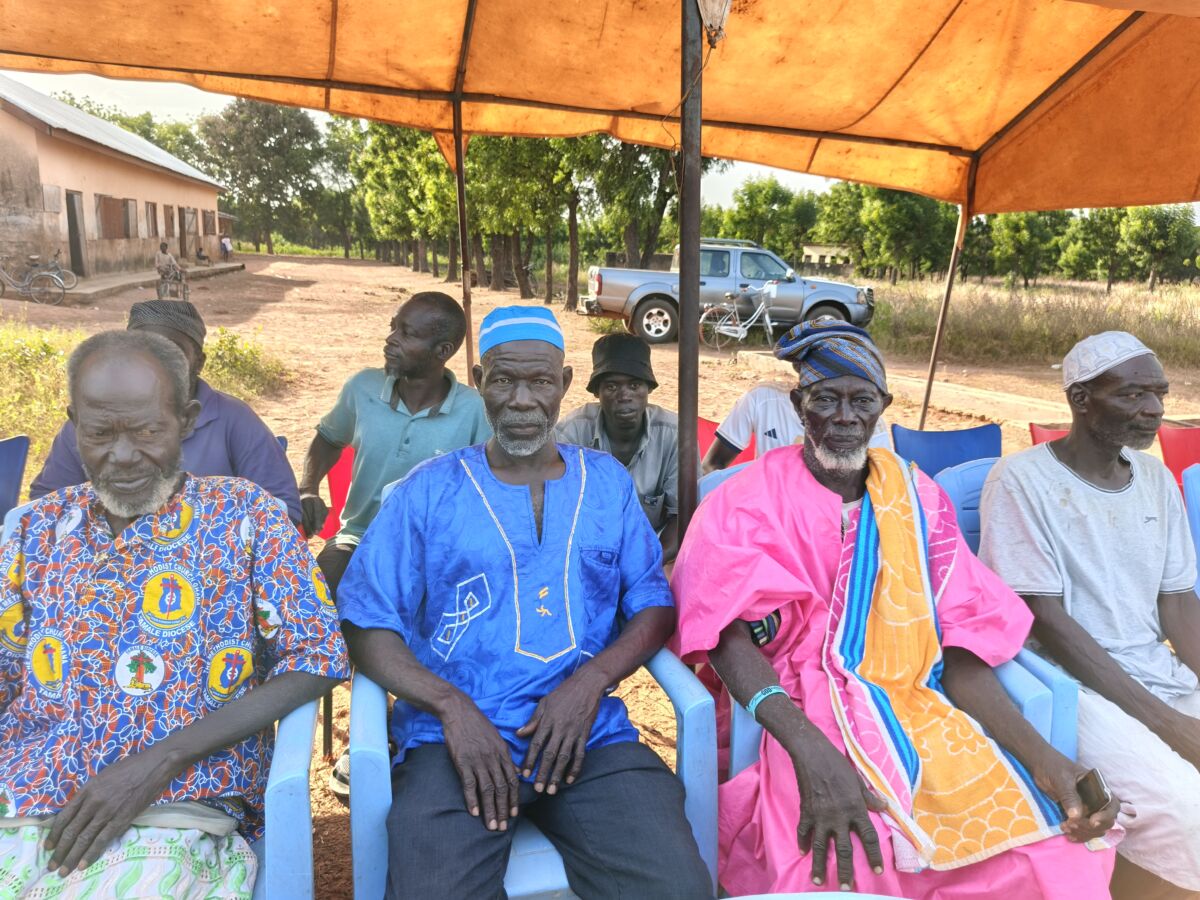
Lazarus Zakaria, representing the Christian community, also shared his thoughts: “This gathering has brought peace and unity among us. It has brought Christians, Muslims, and Traditionalists together as one. We are grateful to the Christian Council for making this event possible. Through this project, even relationships between husbands and wives have improved.”
The stories shared by participants painted a vivid picture of the aspirations of Ghana’s youth. Many expressed the need for communities that embrace diversity and support positive change. Today, the need for constructive dialogue and cooperation among different faiths is more urgent than ever. As young people navigate questions of identity and belonging, opportunities for interfaith collaboration will play a pivotal role in shaping their futures.
The Interfaith Peace Games held in Tingoli, a vibrant community in the Tolon District of Ghana’s Northern Region, brought together diverse groups to celebrate unity amid cultural, religious, and political differences.
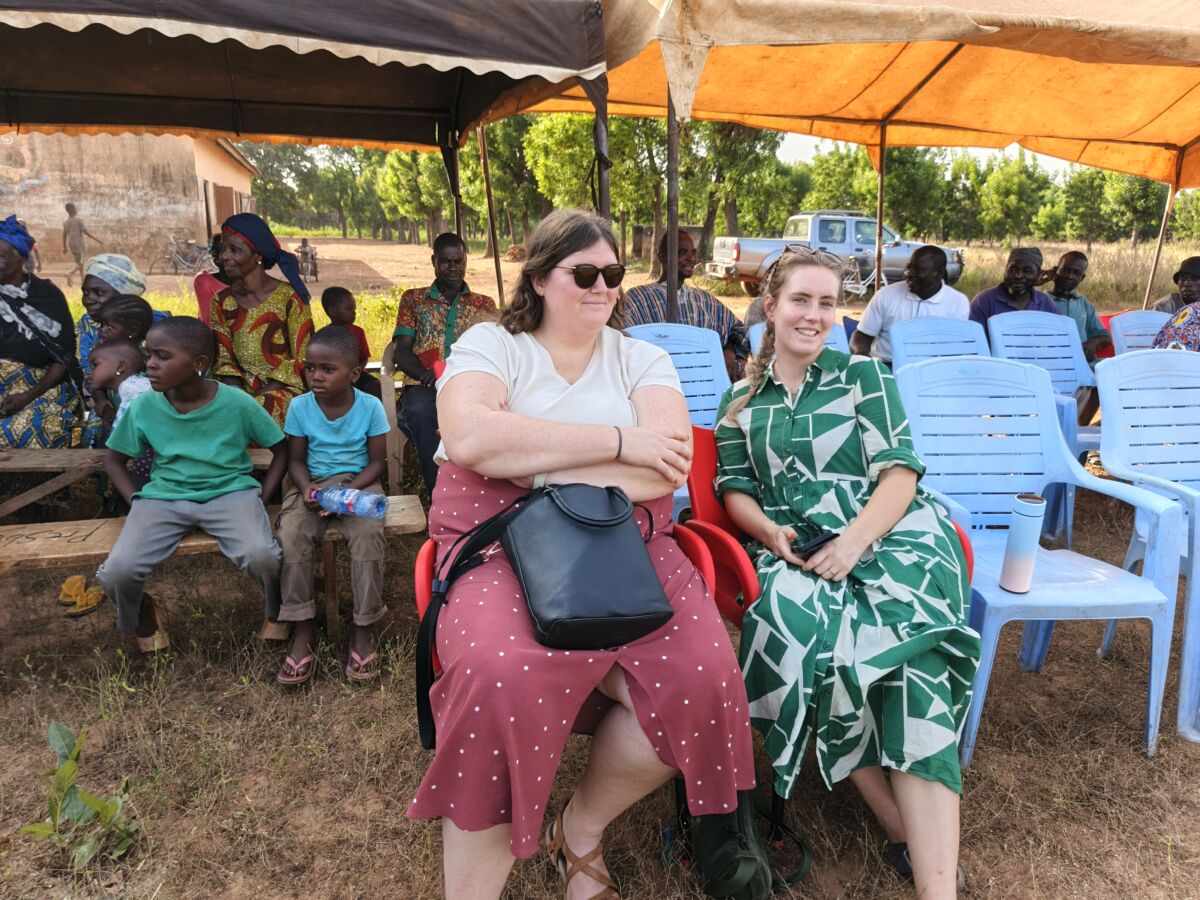
Organised by the Christian Council of Ghana (CCG) under the Faith in Development project, spearheaded by Kerk in Actie and Cordaid (Netherlands), the event aimed to strengthen connections among communities and foster cooperation across different faith backgrounds. With participants from neighbouring communities such as Kpalsawgu, Kpana, Daasuyili, and Gawagu, the Games became a vibrant celebration of diversity, unity, and social change. They also prompted meaningful discussions about interfaith relationships within society.
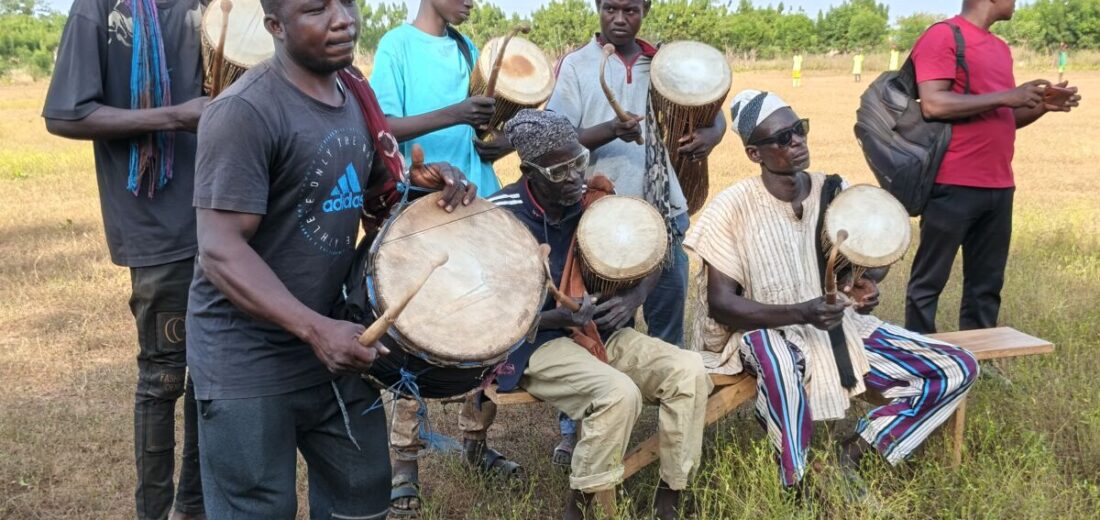
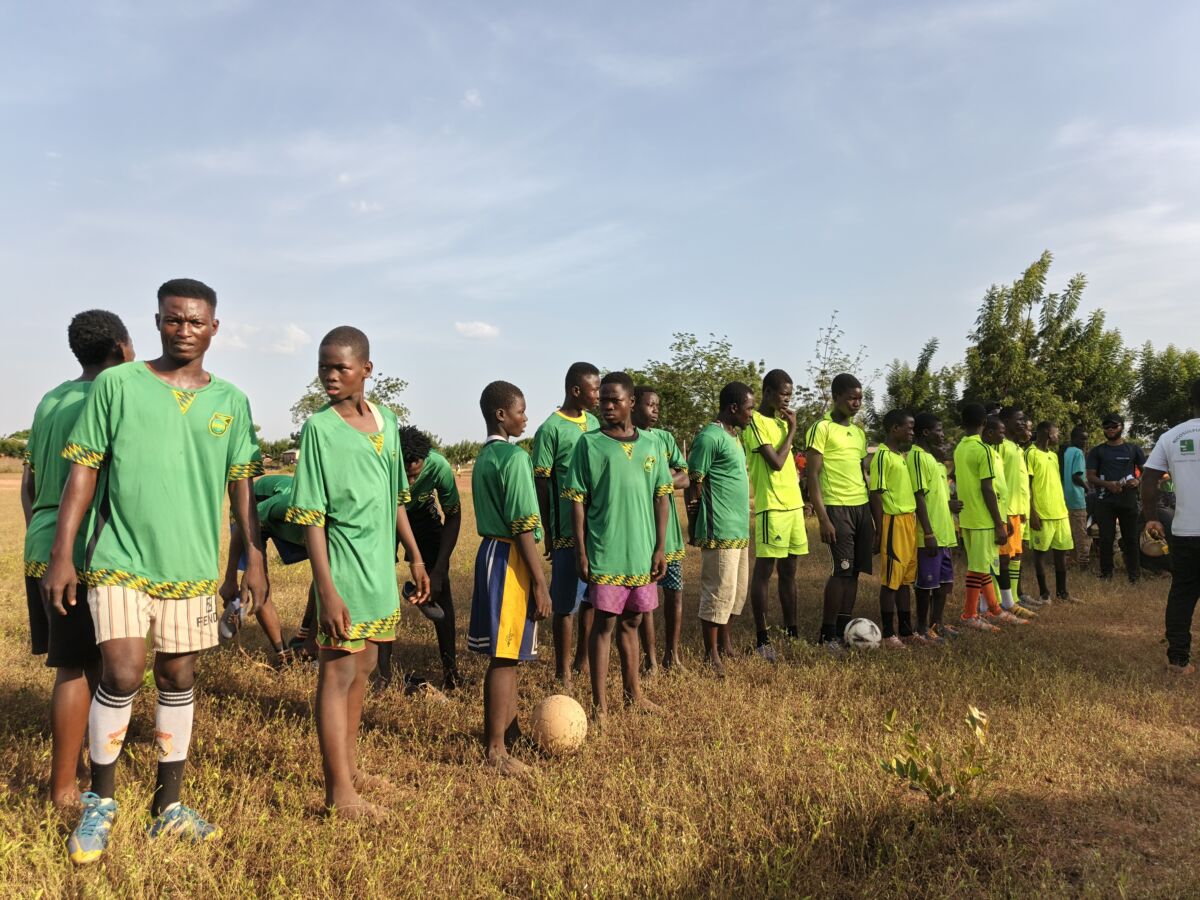
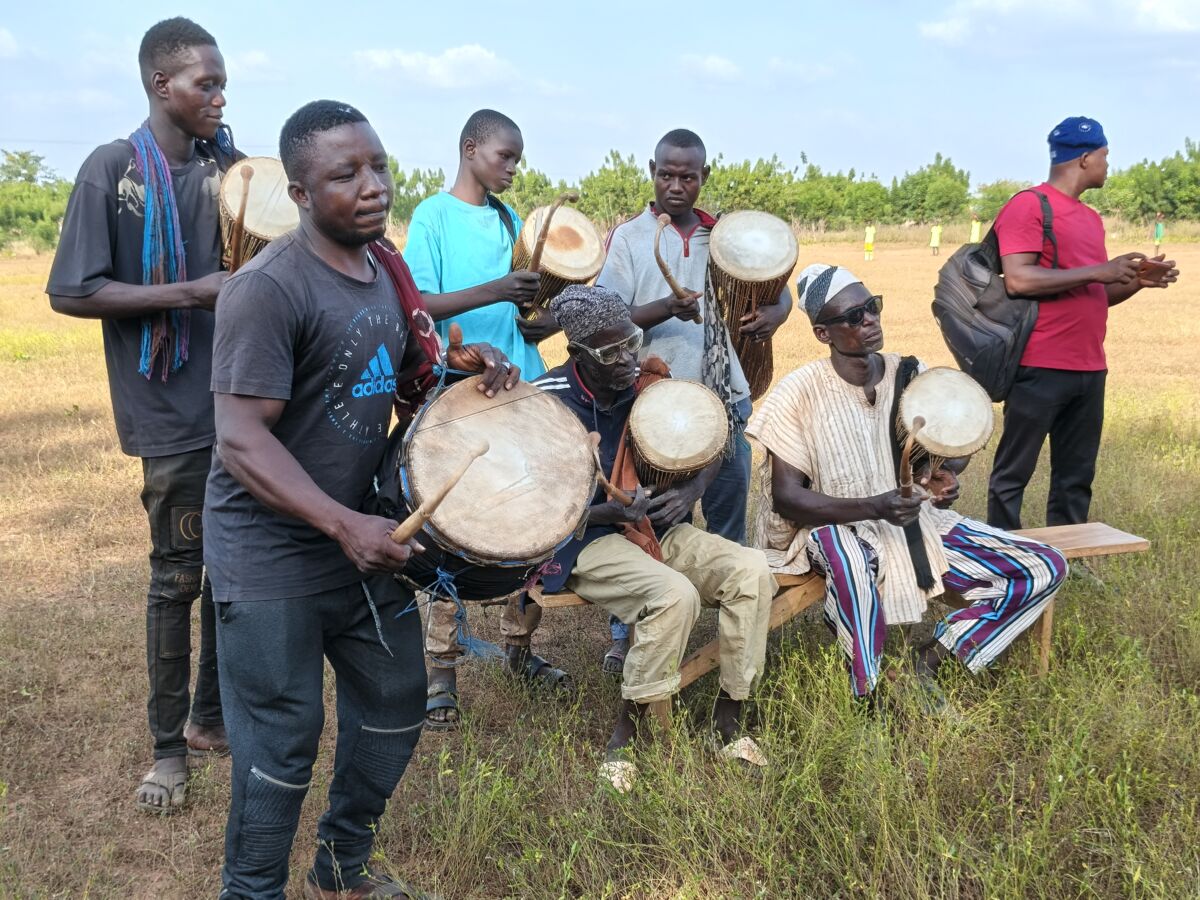
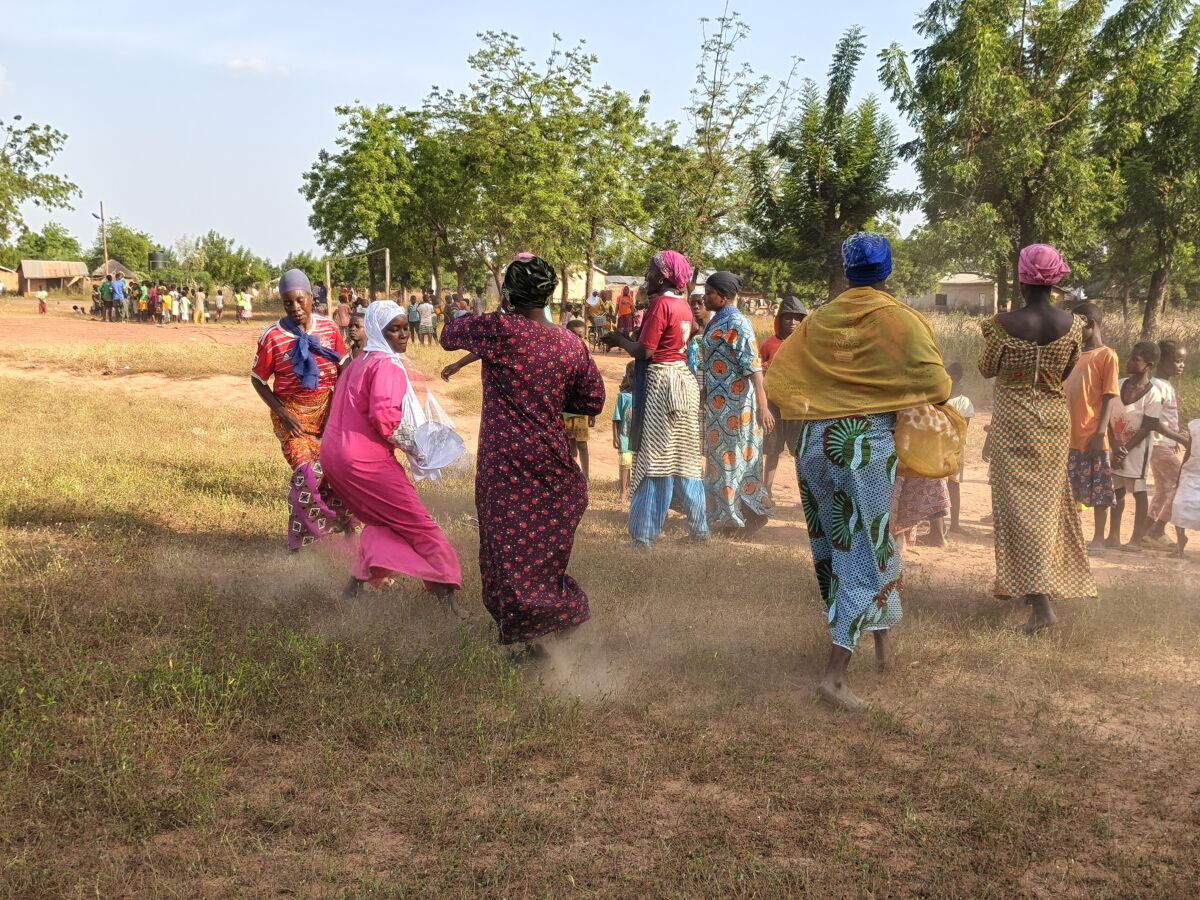
Traditional dance holds a central place in Ghanaian culture, functioning not only as entertainment but also as a means of cultural preservation and social cohesion. It carries stories, beliefs, and histories that connect individuals to their roots and communities. Similarly, sports have become a powerful tool for peacebuilding, breaking down ethnic and tribal boundaries while teaching essential values such as teamwork, respect, and fairness.
Stakeholder Perspectives
Emmanuel Alhassan Sumani, the Northern Sector Manager for the Christian Council of Ghana and project coordinator, emphasised the importance of the event and the project as a whole. “What we are seeing today is one of a series of activities we have carried out over the past five years, courtesy of Kerk in Actie from the Netherlands. It is a Dutch church-based organisation that supports the Christian Council of Ghana to work within communities, ensuring that we collaborate with everyone to promote peace in our society. We are not responding to existing conflicts; we are working to prevent them. That is why we bring people together. You can see the youth playing, the women performing what we call Torah (dance), others playing soccer, and some playing Ludo. The chiefs, their elders, and all community opinion leaders are here to help maintain peace. This is the essence of our work. Soccer, especially, brings people together. When they play as a team, they socialise, and they learn to forgive one another.”
Alhaji Razak Saani, former Northern Regional Director of the National Commission for Civic Education (NCCE) and project facilitator, encouraged participants to remain tolerant of one another regardless of differences in faith, emphasising that tolerance is essential for peaceful coexistence.
“We have the responsibility to be good to one another. All that divides us is nothing. We want unity in our communities so that together we can fight poverty, ignorance, and the drug menace destroying our societies today. Ladies and gentlemen, we have a duty to this country, a duty to ourselves, and a duty to our communities. We have no excuses when we fail. We have all the resources and opportunities necessary to succeed,” Alhaji Saani stated.
The success of the Interfaith Peace Games can largely be attributed to the grassroots involvement of local leaders and religious representatives.
Naa Seidu Kpanalana, the Chief of Tingoli, spoke about the importance of community participation. He explained that the event demonstrates how communities can overcome their differences when they work together, emphasising that the mingling of various faiths at the Games is crucial for sustaining peace. The Chief reaffirmed that traditional authorities would continue to instil discipline among the youth to maintain the harmony they have cultivated.
The Motivation Behind the Games
The Faith in Development project seeks to reshape the narrative surrounding religion by highlighting its role as a source of resilience and innovation rather than division. In a context where faith is often portrayed as a barrier to development, the initiative in Northern Ghana positions it instead as a catalyst for positive change. The project also addresses pressing social issues, particularly among young people. Through the Interfaith Peace Games, youth were given a platform to express their understanding of faith and reflect on its influence in their lives.
As the Games unfolded, with friendly competitions, team-building activities, and vibrant interactions, the atmosphere fostered a deep sense of fellowship.
The Interfaith Peace Games functioned not just as an event, but as a turning point in community dynamics. By creating shared experiences, they transformed interfaith dialogue from an abstract idea into a lived practice. The strong support from local communities illustrated how grassroots initiatives can drive meaningful and lasting change.
The success of the event raises important questions about the future of interfaith cooperation in Ghana. As communities reflect on the experience, one challenge remains clear: How can this spirit of dialogue be sustained, and how can faith continue to serve as a source of unity?
Challenges and Future Considerations
The success of the Interfaith Peace Games raises important questions about how Ghana can sustain interfaith cooperation beyond the excitement of a single event. Communities must reflect on how to keep dialogue alive and how faith can continue to serve as a foundation for unity. Yet challenges persist: today’s social landscape is often strained, with groups struggling at times to communicate or build meaningful connections.
Ensuring regular opportunities for interfaith engagement remains a significant hurdle. Still, when participants from diverse backgrounds recognise shared experiences and values, they gain the collective strength needed to confront tensions and prevent conflict.
Ghana’s 2021 population census shows that 71.3% of the population identifies as Christian, 19.9% as Muslim, and 8.4% with other religions. These figures underscore the importance of mutual understanding in such a diverse society. Interfaith interactions are not just symbolic; they are essential for social cohesion.
As the message of the Interfaith Peace Games spreads across Northern Ghana, communities are inspired by a renewed hope for cooperation, respect, and shared responsibility for peace. The Tingoli event marks a pivotal step in nurturing unity through diversity, demonstrating how faith-based initiatives can help address the contemporary challenges facing Ghana’s youth and communities.
While the participants eventually dispersed, the laughter, cheers, and shared moments lingered. The Games proved to be more than a competition; they were a celebration of difference and a powerful reminder that faith, when embraced as a force for hope and unity, can transform communities.
The event closed with a shared understanding that the journey ahead must be rooted in collaboration, mutual respect, and ongoing dialogue among all faiths. As Northern Ghana looks to the future, the spirit of peace and solidarity left by the Games continues to resonate.
The unity experienced during these Games sends a resounding message: strength lies in diversity, and compassionate, interconnected communities are best positioned to meet the challenges of tomorrow. As Ghana moves forward, interfaith collaboration remains a beacon of hope for national unity and progress.
Leave a Reply