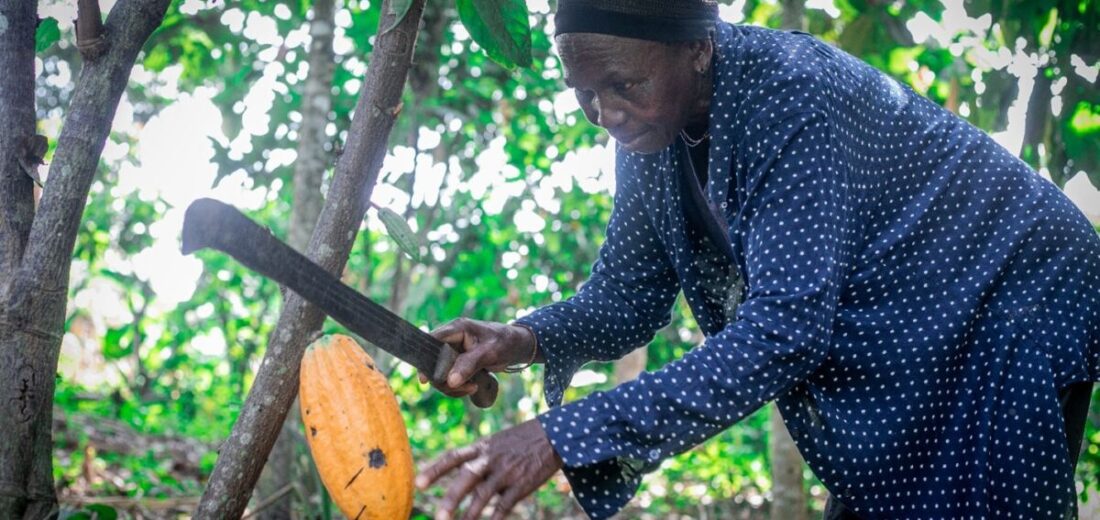
Women at the Fault Line of Cocoa
How does Amsterdam Cocoa week affect the woman in rural Ghana?
As anticipation builds toward Amsterdam Cocoa Week 2026, an event that has become a central point for policymakers, corporations, civil societies, and development actors shaping the future of one of the world’s valuable agriculture commodities, the question worth asking is not what will be discussed in the Netherlands, but who those conversations are really about.
What does a week of global dialogue mean for the widow in Ayensuano in the Eastern region of Ghana whose harvest barely pays for hired labor? For the single mother whose farm becomes unreachable when the rains come? Or for the women who sustain cocoa but remain marginal to its rewards?,.
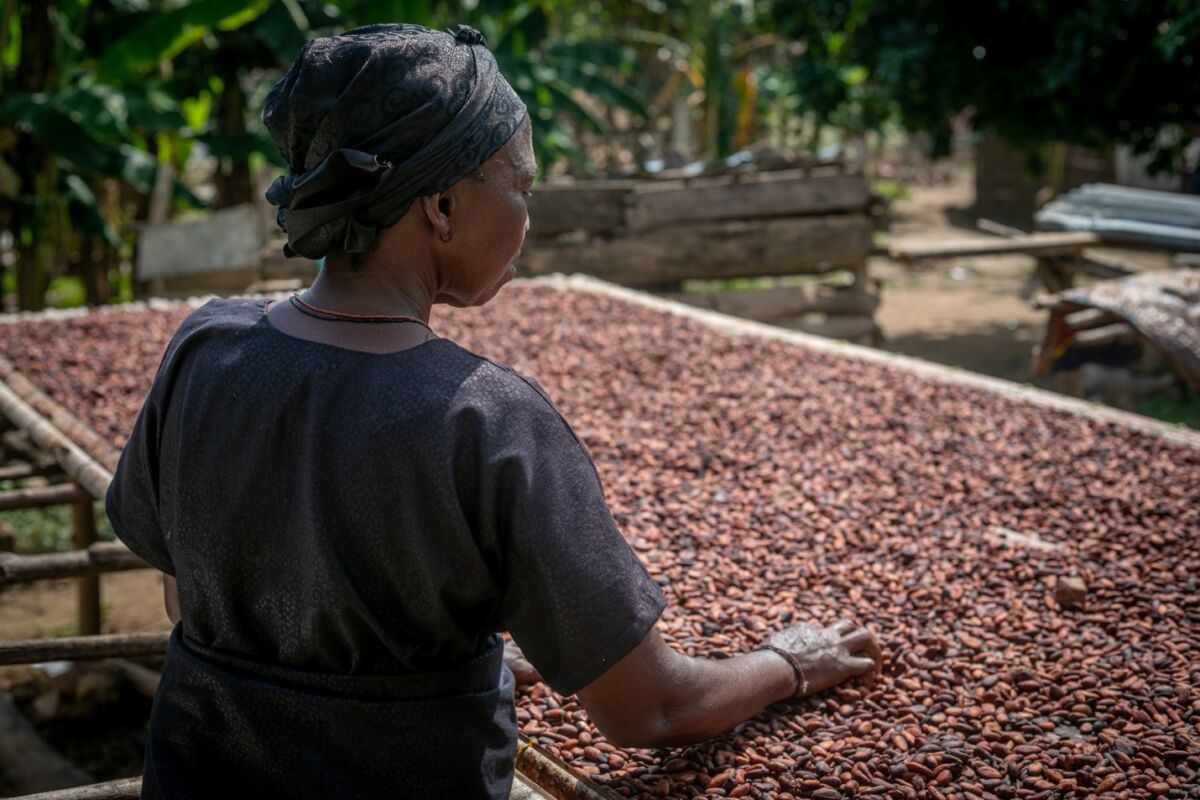 Elizabeth Obeng a female cocoa farmer and a widow
Widows in an Economy That Does Not Pause for Grief
These are conversations far reaching and must be confronted because women form an integral part in the cocoa value chain. For two decades, Elizabeth Obeng a female cocoa farmer and a widow living in the Eastern region of Ghana has held on to the proceeds from cocoa to cater to her needs and family, however, now survival on cocoa solely have become an illusion.
“I started farming cocoa 20 years ago. It was lucrative then. Now it is not. Hiring labor has become unavoidable, yet unaffordable. At the end of the day, you are spending more than the outcome. The profit margin after sales is very minimal.” she says.
Elizabeth has six children dependent on her. She has managed to support them through senior high school, but they were unable to further after the death of her husband.
“I could not fend for their schools anymore. I sincerely wish they could go to the tertiary to build their dreams but the reality is my returns from cocoa is only enough to put food on the table and get a few clothes on our backs” she explains.
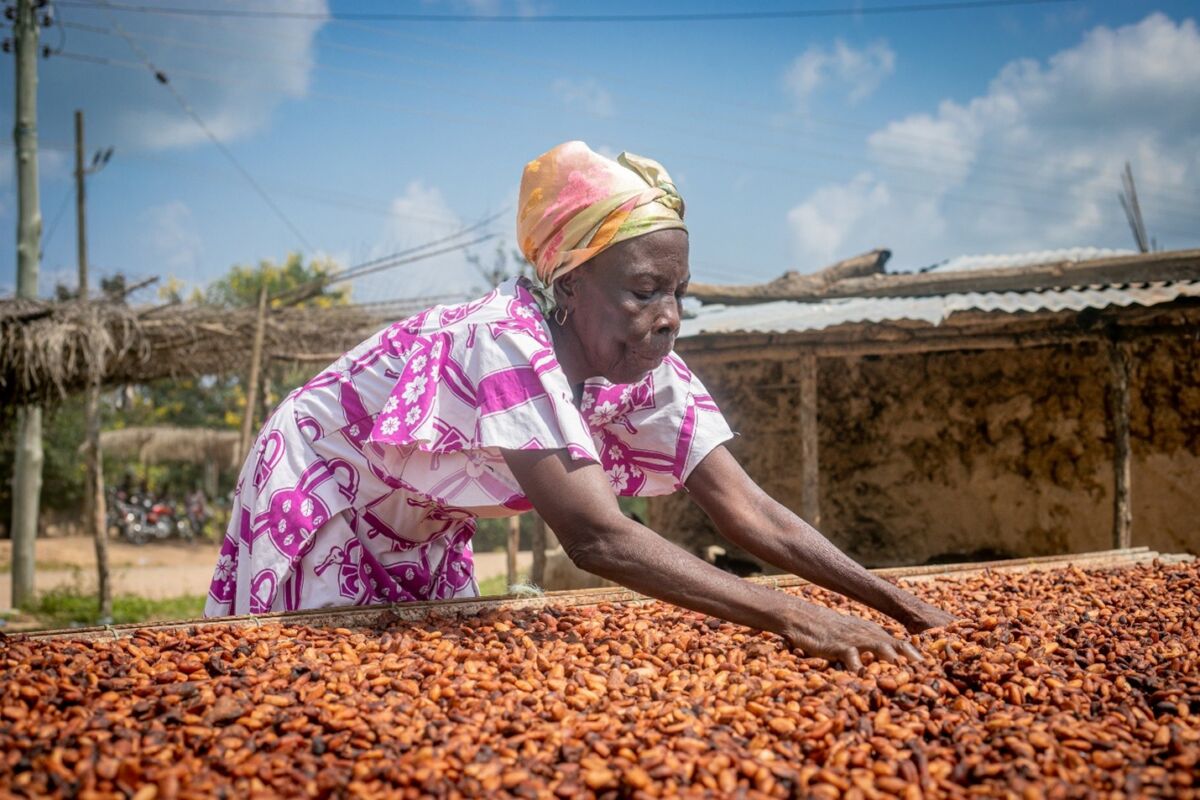 Felicia Acheampong a female cocoa farmer and a widow
Felicia Acheampong’s reality is even harsher. Also a widow, she depends largely on her son to survive. Her cocoa income is thin, her responsibilities heavy, compounded by the cost of caring for a sick child. Although Cooperative support arrives occasionally: boots here, fertilizer there they are practically never in quantities that is enough for plant yields on the large acres of farms.
When asked if they consume chocolate, a product of their labor, their response was ironical and heartbreaking.
“I love to see people eating chocolate because it tells me our effort is appreciated but I have not eaten chocolate in about a year. It is not sold in our village, even if it is sold we can not afford it.” They said bluntly.
These are not rare stories. They are structural outcomes women are faced with every day, even as the world continues to enjoy chocolate, cocoa powder, and beverages. Widowhood in the cocoa industry strips women of both labor support and land security, while income instability turns already feminized care work into financial devastation.
Their hope ahead of Amsterdam Cocoa Week is better pricing, access to fertilizer, and conditions that recognizes women farmers’ realities. They believe if these challenges are mitigated women in the rural areas can have access to better livelihood and can perhaps afford the taste of the chocolate they produce.
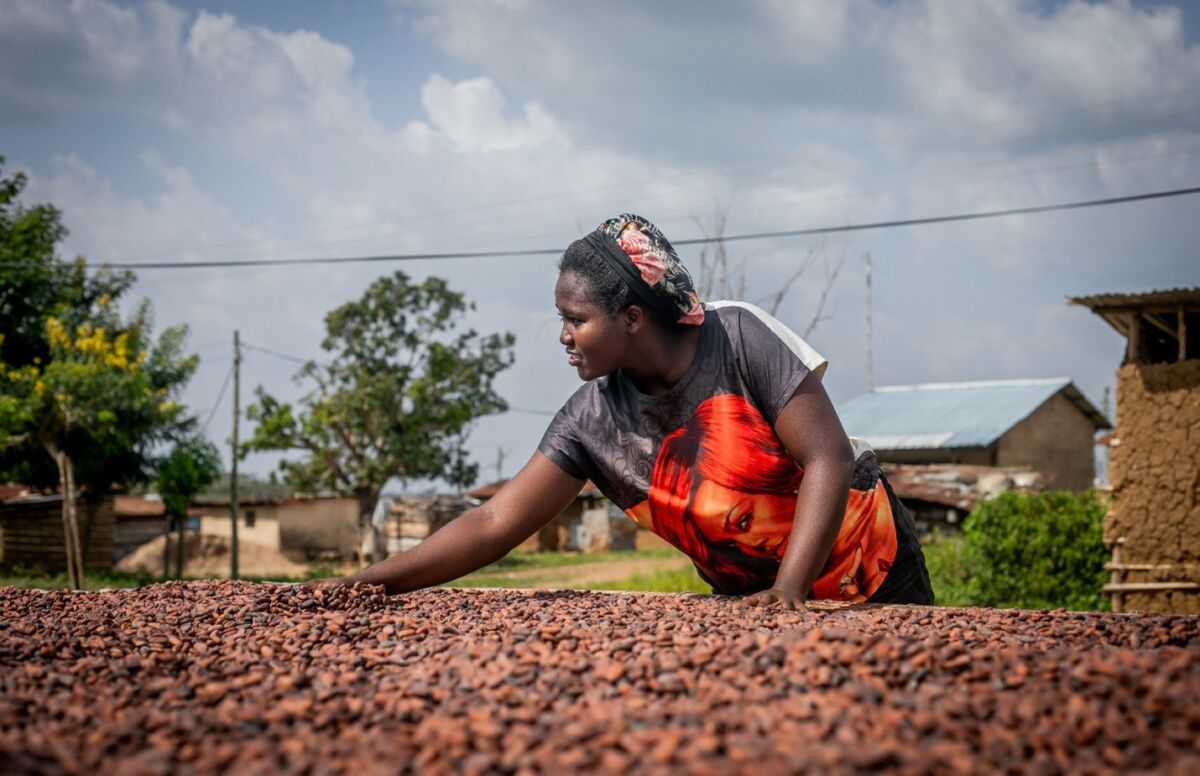 Vida Agorvu, a twenty-nine-year-old, third-generation cocoa farmer
Invisible Barriers That Outwork Skill
Vida Agorvu, a twenty-nine-year-old, third-generation cocoa farmer and a single mother echoes a similar sentiment. She has been in the cocoa field for seven years. Her days begin at dawn, as she prepares her child for school, then heads to the farm to weed, spray, and harvest since cocoa is her only livelihood. Yet skill is not what limits her yield.
“When it rains, I cannot go to the farm because the footbridge has collapsed so the whole farm gets flooded. Consequently, I am compelled to leave ripped cocoa on the trees for days which eventually spoils, and drops before I can harvest it” She said
This is just a fragment of the problem she encounters as a woman: labor presents another challenge.
“When I hire people, they decide not to come because they know I am a woman. They take my money but refuse to work so I am forced to weed the farm myself leaving out the portion I cannot weed to the mercy of the weed.” She asserted
Parts of her farm remain choked with weeds, young cocoa plants struggling beneath neglect that is not a choice, but a consequence of gendered vulnerability. Well, she is compelled to remain quiet as loss accumulate in silence.
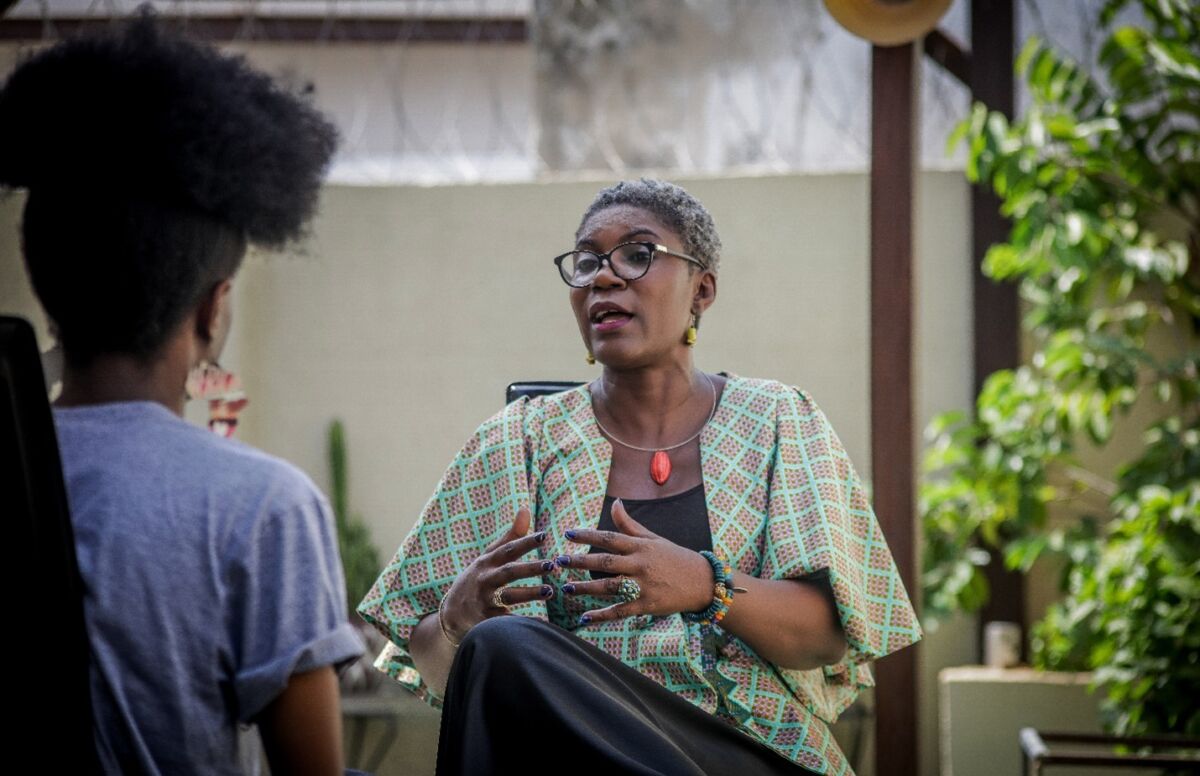 Elizabeth Bonney interviewing Suzan Yemidi, a female cocoa advocate
The Advocate Who Has Seen the Pattern Up Close
Beyond income, land and labor, access to knowledge and lack of participation in decision-making has perpetuated these cycles of gender vulnerability and structural injustice. Suzan-Hermina Yemidi a cocoa advocate who has spent over a decade moving between farms, cooperatives, and policy spaces, describes how structural design rather than individual failure keeps women at a disadvantage.
“I am not a farmer per se, and advocacy found me. There were times when I had to stand for something, speak up for others during my career trajectory. Whiles interacting with women farmers, I have come to realize that for women, access to land, finance, and time for training are more difficult because womanhood itself carries additional responsibilities.” She explains.
Suzan further highlighting some issues that have compounded these challenges noted that;
“In some cultures, women have to depend on a man to get access to land. It could be your father, your brother, your husband. You need a front. You need a man.” Suzan explains.
Even where land is acquired, ownership often remains ambiguous. Farms may be worked by women for decades, only to revert to extended family after a husband’s death. “That is quite common. That is why you find male farmers buying land for their wives elsewhere, just to secure them.” she says
Land insecurity, she argues, is not abstract. It shapes how confidently women invest, how much risk they can absorb, and whether farming remains viable at all.
Education and extension services deepen the gap. Training sessions often coincide with domestic responsibilities making it difficult for most women to attend. So, men attend these trainings with the hope that knowledge will trickle back to the women through application but it rarely does.
These gaps are not accidental. They are the result of systems designed without women’s lives at the center.
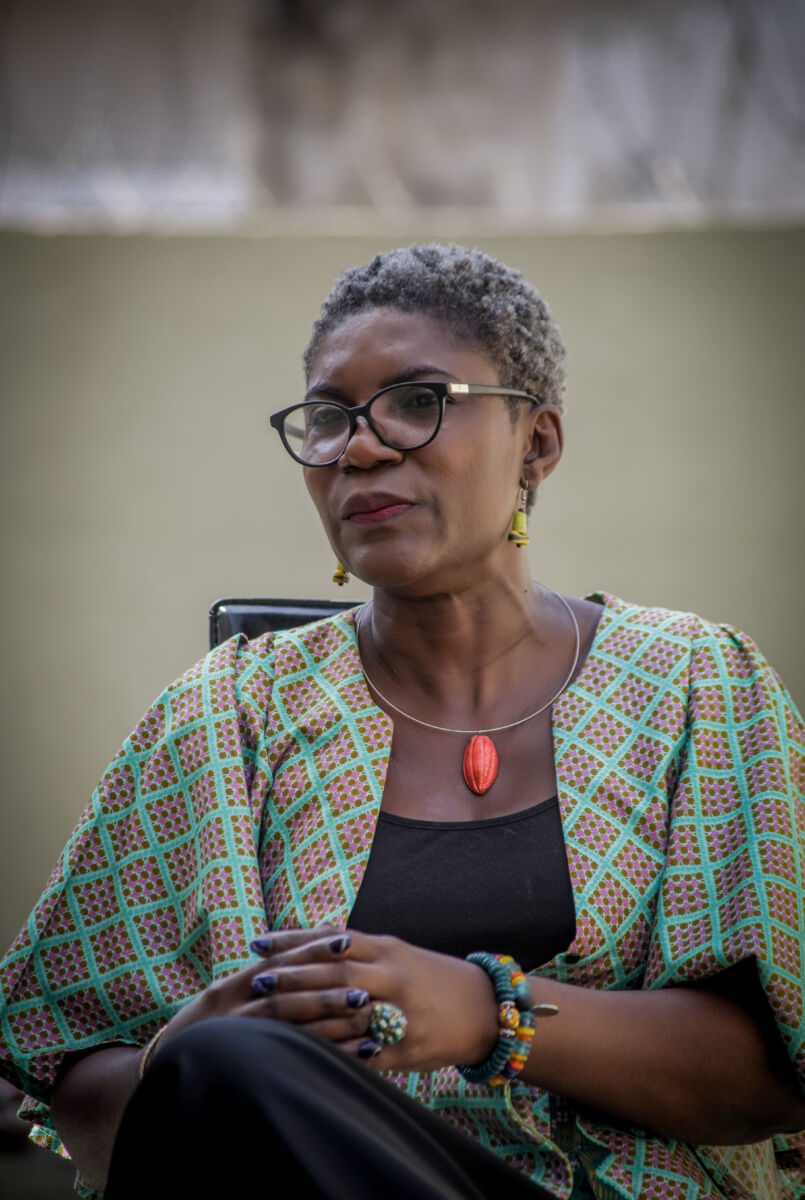 Suzan Hermina Yemidi is a cocoa sector professional and gender equity advocate with over a decade of experience working across cocoa-producing communities in West Africa, Latin America and in the policy environment in Europe. She began her cocoa work in 2014. she has worked closely with women cocoa farmers, cooperatives, civil society organizations, and policy actors, focusing on farmer livelihoods, land tenure, access to training, and women’s inclusion in decision-making across the cocoa value chain. She is currently Head of Strategic Partnerships at Voice Network and a Women In Cocoa and Chocolate (WINCC) Ambassador.
The weight on Amsterdam Cocoa Week
Amsterdam Cocoa Week has become a critical gathering point in the global cocoa calendar. 2026 promises to place farmers more visibly at the center through a dedicated Farmers’ Day, farmer-led panels, and conversations on pricing, climate, and livelihoods.
Suzan is cautiously hopeful. “We moved the needle to a point where farmers are getting to the center of the action. It may be slow, but we are evolving.” She says.
Still, the interval between conversation and change remains vast. Cocoa pricing volatility continues to leave farmers exposed. When global prices rise, farm-gate incomes barely shift. When prices fall, farmers absorb the shock.
Suzan insists, “the honest conversation we must keep having is how farmers can earn a decent income when prices are high and how they are protected when prices tumble.”
Gender, she argues, must remain central to that discussion, not as a side session, but as an economic necessity. Women make up roughly 36 percent of Ghana’s cocoa farmers. Excluding them from decision-making is not just unjust; it is economically reckless.
“If you remove 36 percent of contributors from the system, that is a serious dent.” She emphasized
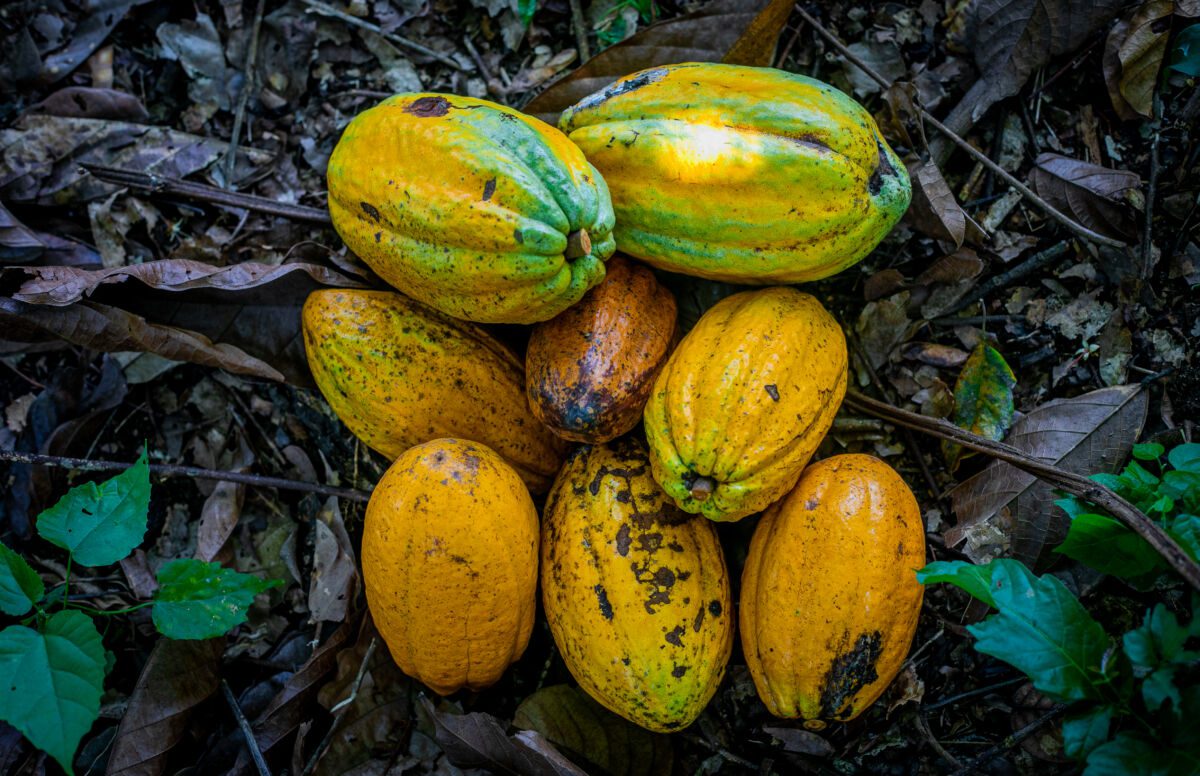
Beyond Visibility, Toward Accountability
Conferences matter. Not because they solve everything, but because they shape what is considered possible. They influence policy language, funding priorities, and corporate commitments. But they risk irrelevance if they do not translate into structural shifts on farms like Vida’s, Elizabeth’s, and Felicia’s.
Sustainability programs, Suzan argues, often falter because they prioritize corporate targets over community aspirations. “Long-term impact happens, when programs align with the full aspirations of communities, not just supply-chain metrics.” She asserts
That alignment requires listening actively and intentionally.
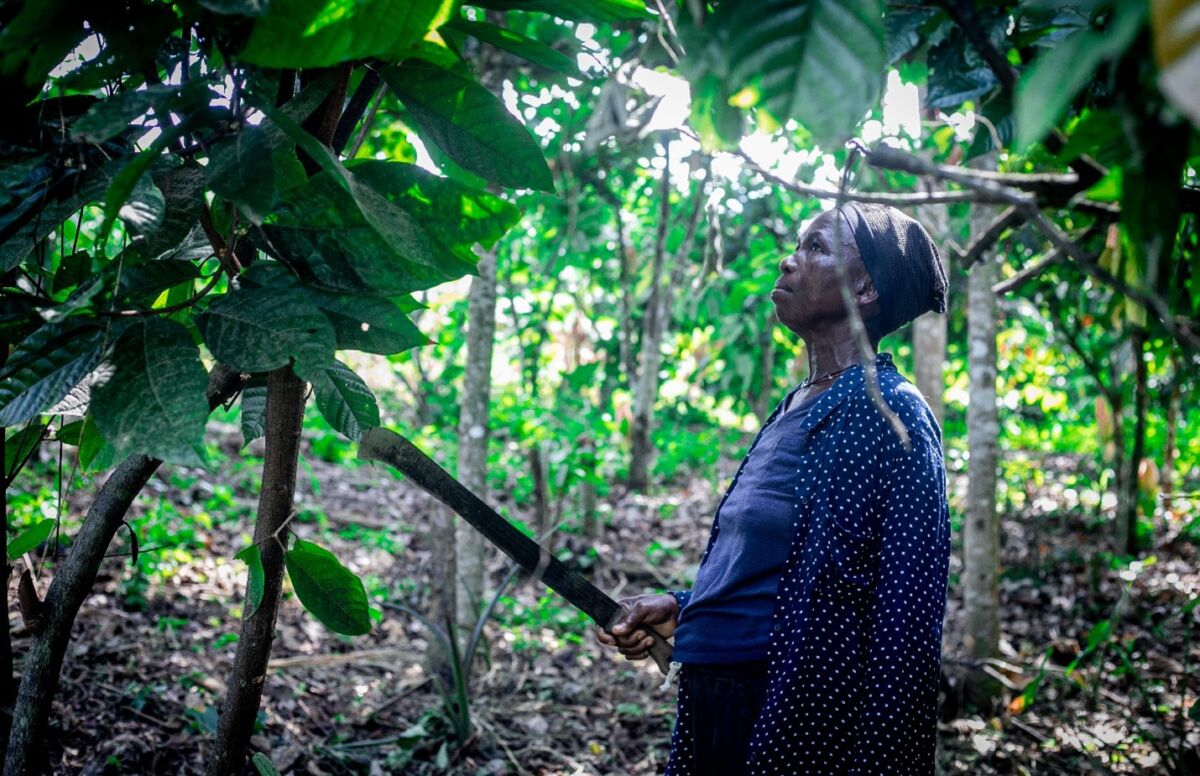
What the Women Are Asking for Is Not Radical
None of the women interviewed asked for charity. They asked for fairness: reliable pricing, land security, labor accountability, accessible training, and recognition of the work they already do.
To the woman in a cocoa village who believes her struggle is unseen, Suzan’s message is direct: “You matter. We cannot stop talking about women’s empowerment at tables discussing cocoa sustainability.”
As Amsterdam Cocoa Week approaches, the responsibility is clear. The stories from Ghana’s cocoa fields must not arrive softened or abstracted. They must arrive intact bearing labor, loss, and insistence. The future of cocoa depends on it.

Leave a Reply