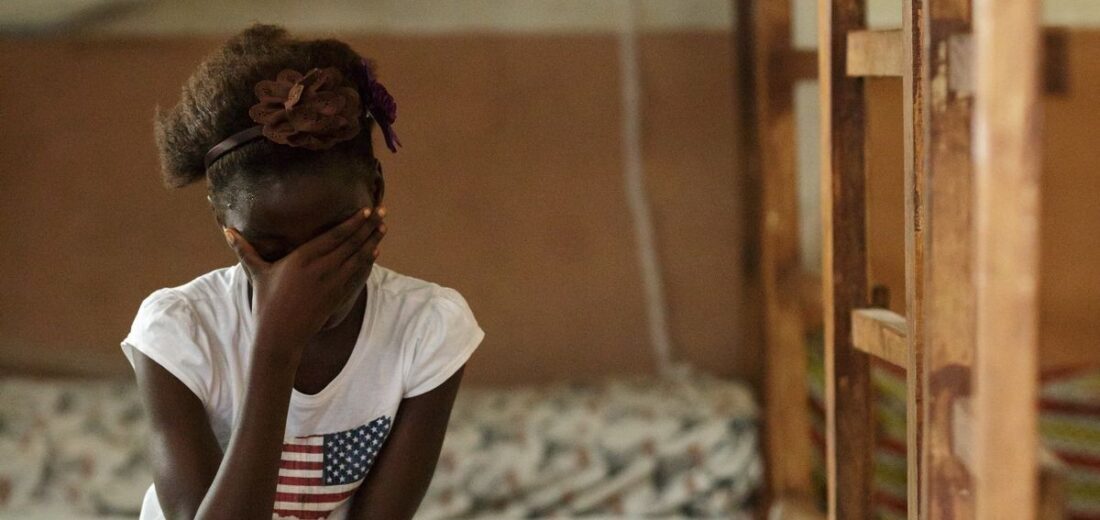
Zero Tolerance, Measured: Where Kenya Stands in the Fight Against FGM
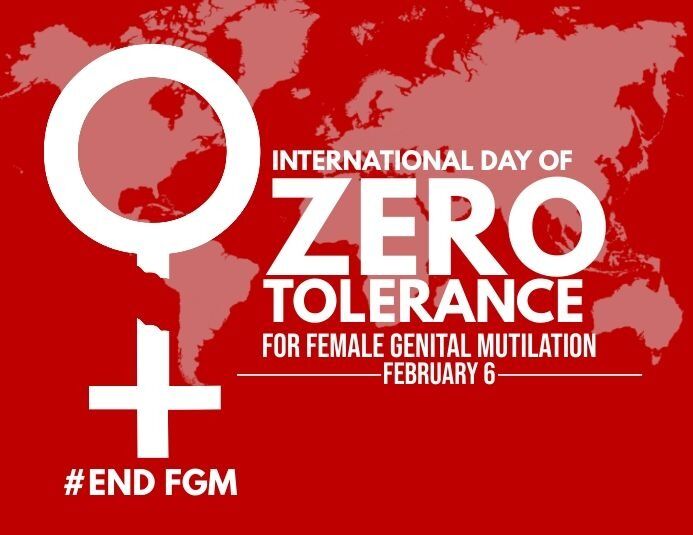
I think of International calendar days of commemoration as a collective time to actively think, research and know more about respective issues as we look to progress as a society. Every year, we mark the International Day of Zero Tolerance for Female Genital Mutilation (FGM) with renewed declarations of resolve. The language is familiar: progress, commitment, urgency. Yet for girls growing up in communities where cutting is quietly postponed, quietly medicalised, or deliberately hidden, the question is no longer whether zero tolerance is the goal. It is whether the systems meant to enforce it are keeping pace with reality.
In earlier coverage, Vice Versa Global foregrounded the human stories behind it. A Haven Away from Inhumane Traditions followed community-led efforts to create safe spaces for girls at risk, highlighting how protection and mentorship can interrupt long cycles of harm; Testimony of a Reformed Cutter Brings Hope of Eradicating Female Genital Mutilation in Kenya, centred on personal transformation, showing how individuals once embedded can become advocates for its end. Those stories matter.
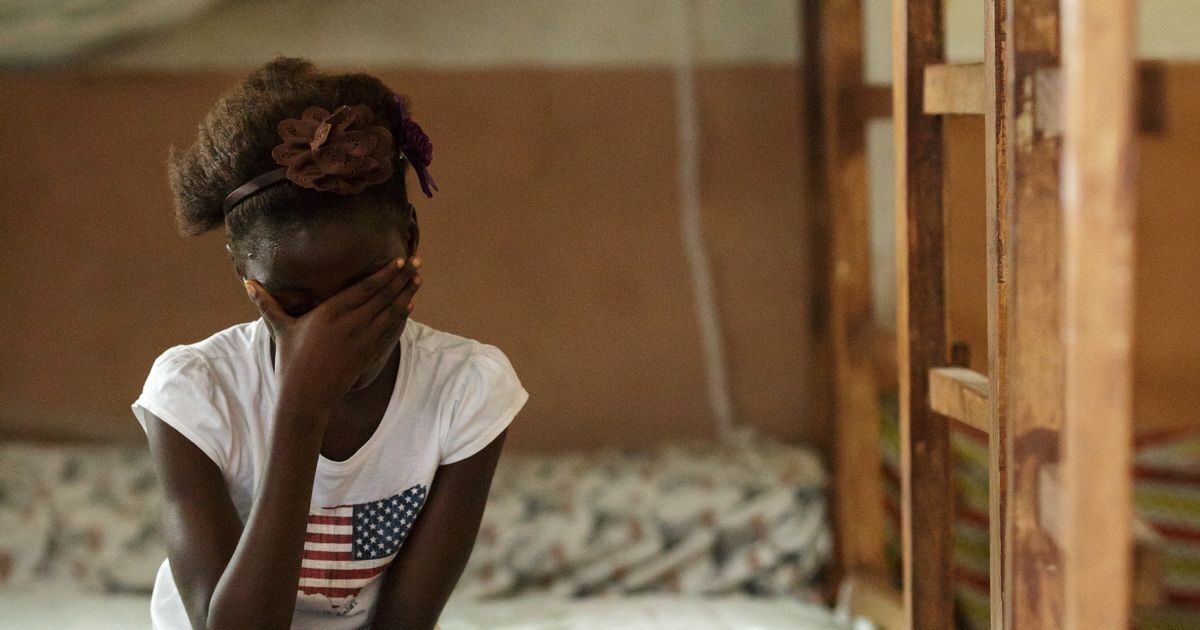
This article returns to ask a necessary question: what has happened since those stories were published, what does zero tolerance look like now, beyond individual acts of courage?
Kenya’s legal position on FGM is unambiguous. The practice has been illegal for more than a decade, supported by national legislation and reinforced through policy commitments. On paper, the country aligns with global efforts to eliminate FGM by 2030. In practice, progress has been uneven, marked by significant gains in some regions and stubbornly elusive in others.
The most recent Kenya Demographic and Health Survey (KDHS) offers a cautiously optimistic headline. National prevalence among women aged 15-49 has declined compared to previous decades, suggesting that sustained advocacy, education, and community engagement, including the kinds of interventions highlighted in Vice Versa Global’s earlier reporting, are having an impact (Kenya National Bureau of Statistics [KNBS] & ICF, 2023). Yet these averages mask deep disparities. In certain counties and among specific ethnic groups, prevalence remains high, and the risk to younger girls has not yet disappeared. This is the tension that defines the present moment: measurable progress alongside unresolved vulnerability.
What the Data Says Has Changed
According to UNFPA’s 2024 Kenya FGM country snapshot, national trends point downward, but population growth complicates the picture. Even as percentages decline, the absolute number of girls at risk remains significant, particularly in historically high-prevalence regions (UNFPA, 2024a). UNICEF’s global analysis reinforces this concern, warning that demographic pressures could offset gains unless prevention accelerates.
There are also generational shifts worth noting. Younger cohorts show lower prevalence than older ones, a sign that social norms are slowly shifting (KNBS & ICF, 2023). Education, especially girls’ secondary schooling, continues to correlate strongly with reduced risk. At the same time, reports indicate evolving patterns of the practice itself, including cutting at younger ages and increased medicalisation, both of which make detection and prevention more difficult. In other words, FGM in Kenya has not yet disappeared; it has adapted.
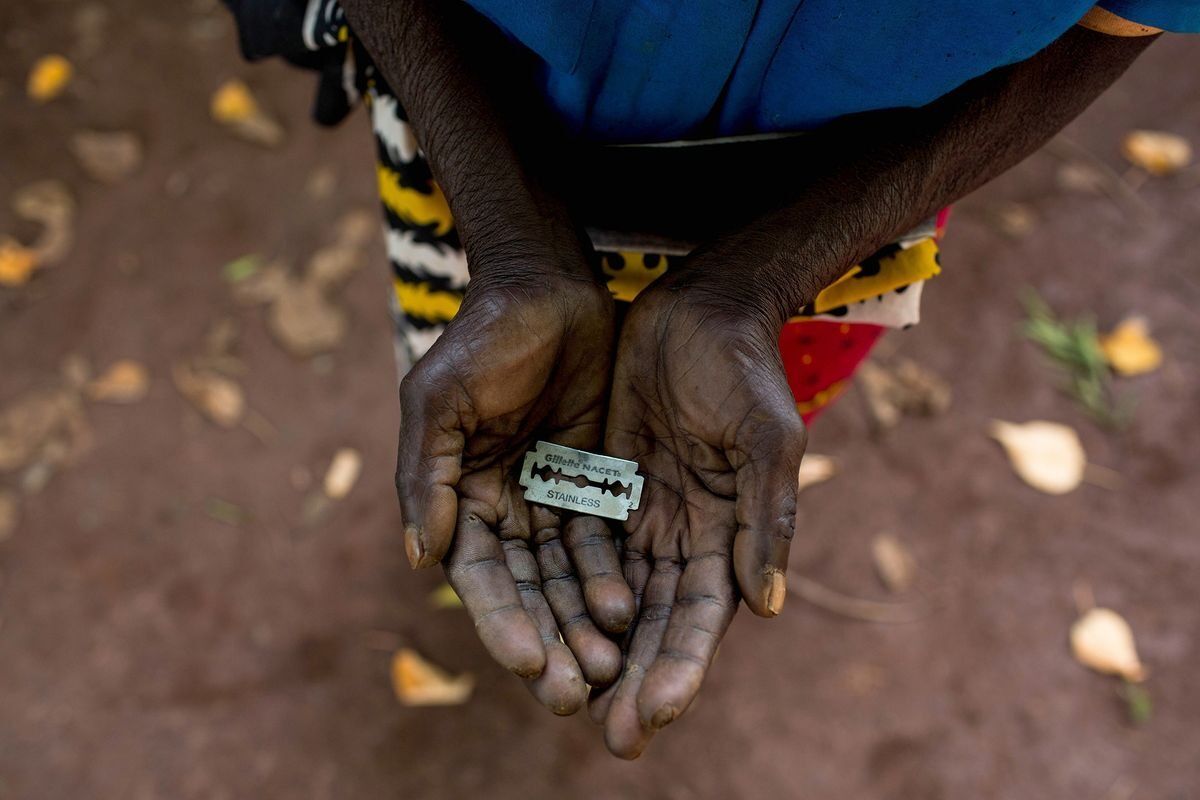
The earlier Vice Versa Global articles demonstrated the power of personal and community-level transformation. What has shifted since then is a growing recognition that such change must be reinforced by systems if it is to last. One notable evolution has been the move from rescue-focused interventions toward prevention and norm change. The UNFPA-UNICEF Joint Programme on the Elimination of FGM increasingly emphasises community accountability, engagement with cultural and religious leaders, and alternative livelihoods for former cutters, building on the very transformations documented in earlier storytelling, but embedding them within coordinated frameworks.
Here in Kenya, this approach has translated into targeted work in high-risk counties, cross-border collaboration, and sustained dialogue rather than one-off interventions. New funding commitments, including a 2024 European Union-UNFPA initiative, signal continued investment in these longer-term strategies.
Despite these advances, unresolved challenges persist, and none is more pronounced than enforcement. Kenya’s legal framework is strong, but implementation remains inconsistent. Prosecutions are relatively rare, reporting is uneven, and fear of community backlash continues to silence many cases. Families often navigate around the law rather than confront it, travelling across county or national borders, or turning to health professionals willing to perform the procedure covertly (Government of the United Kingdom, 2025). As a result, the practice becomes harder to see, harder to track, and harder to stop. This gap complicates the optimism reflected in earlier narratives of reform. It also underscores a difficult truth: legal prohibition, while essential, is insufficient on its own.
UNFPA’s global framing urges caution against declaring victory too soon. While Kenya is often cited as a country making strides, we are warned that backlash and resistance, sometimes subtle, sometimes overt, are part of the current phase of change. Gains achieved through community buy-in, like those of Isnino Tono and Nice Nailantei’s, can be fragile if not reinforced by sustained resources, political will, and monitoring. This perspective reframes “zero tolerance” not as a finish line, but as an ongoing standard, one that demands vigilance long after prevalence curves begin to bend.
The stories of reformed cutters and safe havens remain essential. They remind us why this work matters and how change begins. But the present moment calls for a broader lens, one that measures success not only by personal transformation, but by whether institutions are keeping pace with the courage of individuals.
As Kenya reflects on zero tolerance in 2026, the task is clear: to ensure that commitment is not only declared, but sustained, enforced, and felt where it matters most.
References (APA)
FGM/C Research Initiative. (2025). Kenya: FGM/C legislation and country profile. https://www.fgmcri.org/country/kenya/
Government of the United Kingdom. (2025). Country policy and information note: Female genital mutilation (FGM), Kenya. https://www.gov.uk/government/publications/kenya-country-policy-and-information-notes
Kenya National Bureau of Statistics, & ICF. (2023). 2022 Kenya Demographic and Health Survey: Key indicators report. https://www.knbs.or.ke
United Nations Children’s Fund. (2024). Female genital mutilation: A global concern. https://data.unicef.org
United Nations Population Fund. (2024a). 2024 FGM country snapshot: Kenya. https://www.unfpa.org/resources/2024-fgm-country-snapshot-kenya
United Nations Population Fund. (2025). Female genital mutilation: What we know. https://www.unfpa.org/female-genital-mutilation
United Nations Population Fund Kenya. (2024). EU and UNFPA announce new initiative to end FGM in Kenya. https://kenya.unfpa.org
United Nations Population Fund, & United Nations Children’s Fund. (2025). 2024 annual report of the UNFPA–UNICEF Joint Programme on the Elimination of Female Genital Mutilation. https://www.unfpa.org

Leave a Reply