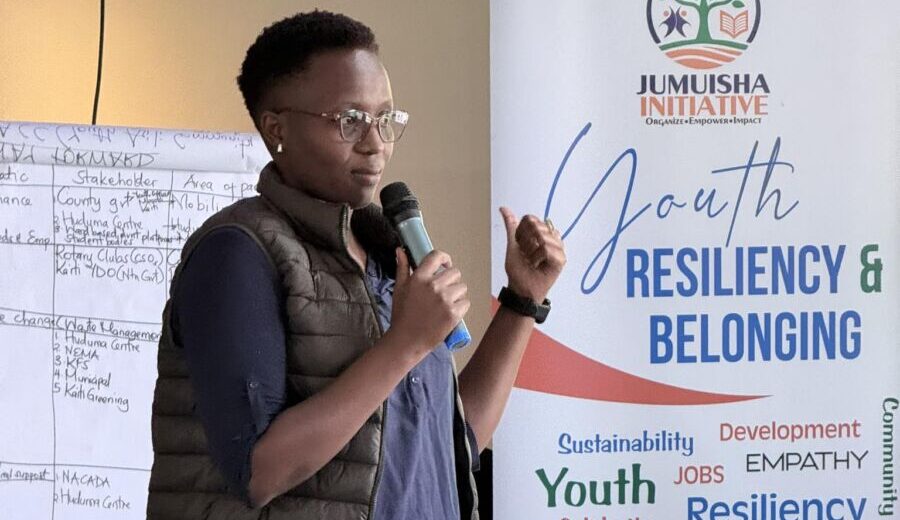
Innovative enterprise tackles youth unemployment in Makueni County
In Makueni County, where youth unemployment persists despite training programmes, a local enterprise model is offering a different approach. By linking skills, mentorship and markets—and engaging county systems—Youth Asili is demonstrating how community-led initiatives can inform policy and reshape how employment solutions are designed and sustained.
For Kennedy Kioko, earning a diploma in Electronic Engineering was the easy part. Finding a job was not. At twenty‑three he joined thousands of qualified Kenyan youth trapped in unemployment with degrees and certificates that opened few doors. “I spent two years in the city, moving from one office to another looking for work,” he remembers. “Every day ended in rejection. It slowly eroded my dignity and hope.”
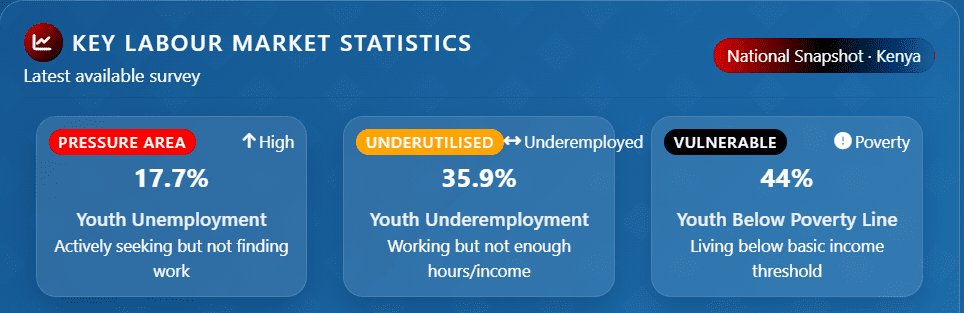
Kennedy’s story is not unique. Reports from a recent survey by the KNBS and Kenya Labour Market Information System shows persistent youth joblessness, indicating that 17.7% of Kenyan Youths are unemployed. The counties like Makueni face the same drain of ambition and opportunity.
But in this red soil county, a community‑led experiment is offering an alternative path: skills‑based enterprise, anchored in mentorship, markets and measurable support. Its name is Youth Asili, run locally by Jumuisha Initiative and for people like Kennedy it is changing lives.
From diploma to chicks
Kennedy found his pivot when Youth Asili arrived in his ward. The programme paired practical training with startup inputs: a three‑month cohort, technical mentorship and a starter poultry pack. “They gave me thirty‑two chicks and taught me husbandry, feed management and basic bookkeeping,” Kennedy says. “I grew my stock to more than a hundred and began selling eggs and birds. I earn steady money now.”
That turnaround from jobseeker to employer and mentor is central to Youth Asili’s pitch. Trainees are not left at graduation with certificates and no follow‑through. Jumuisha’s staff provide ongoing mentorship, support market linkages and encourage participants to take small business steps immediately: sell eggs locally, supply nearby kiosks, or aggregate produce for larger buyers.
Makueni County’s demographics underline the need. A majority of working‑age residents are young, and local statistics show sizeable numbers of qualified but idle youth. National initiatives such as the NYOTA programme aim to inject seed capital into wards, but Kenyans and local implementers often point to a missing ingredient: structured mentorship and market integration. Youth Asili supplies exactly that: training plus incubation and a community safety net.
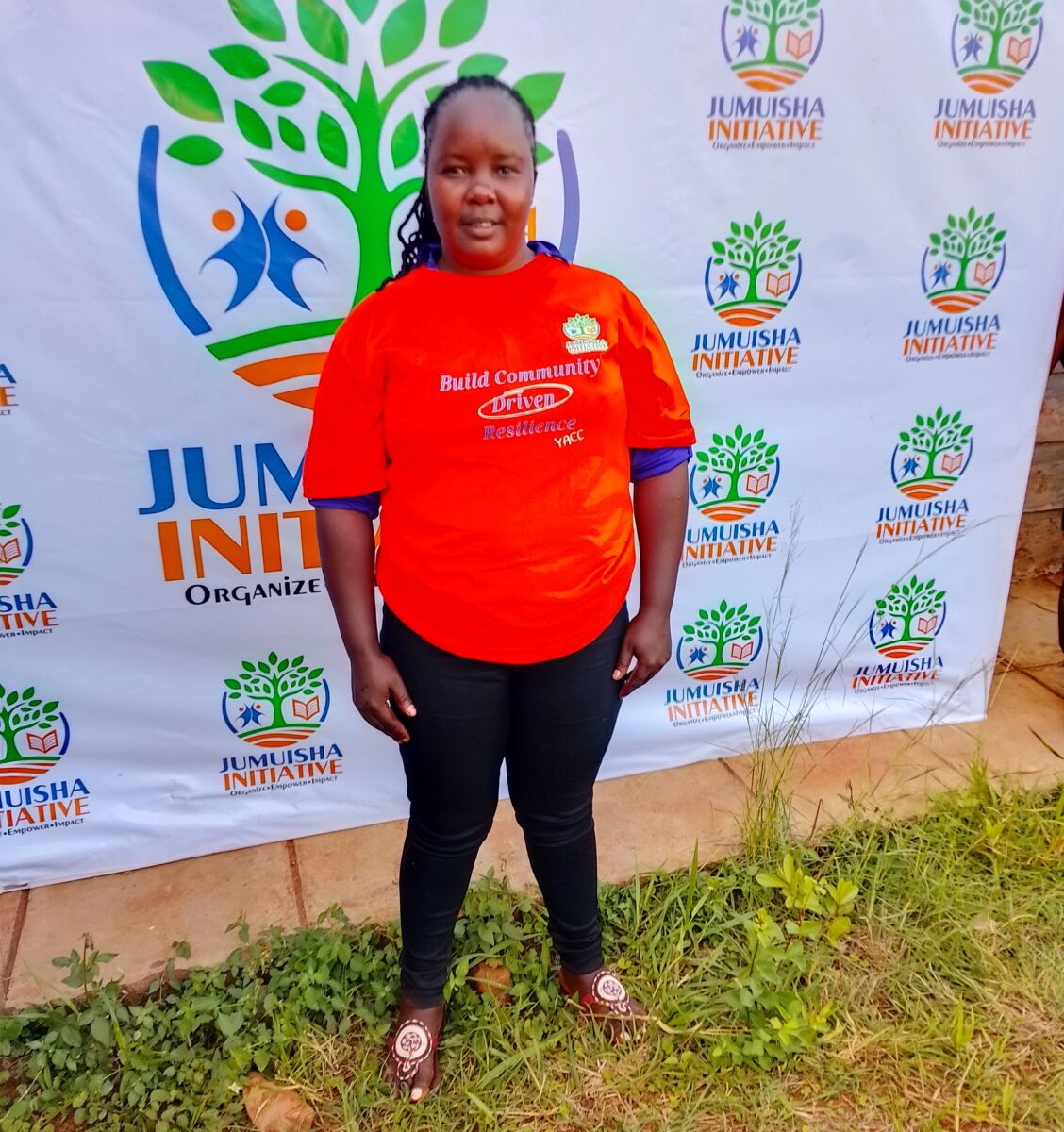
In nearby Ukia village, Priscilla Ndunge, who had no formal education, joined Youth Asili and now runs a mixed poultry‑and‑vegetable microfarm. “Before I relied fully on my husband,” she says. “Now I sell eggs and vegetables and plan to expand.” Her earnings pay school fees and reduce household vulnerability, a direct translation of training into economic independence.
Scale, impact and the numbers to watch
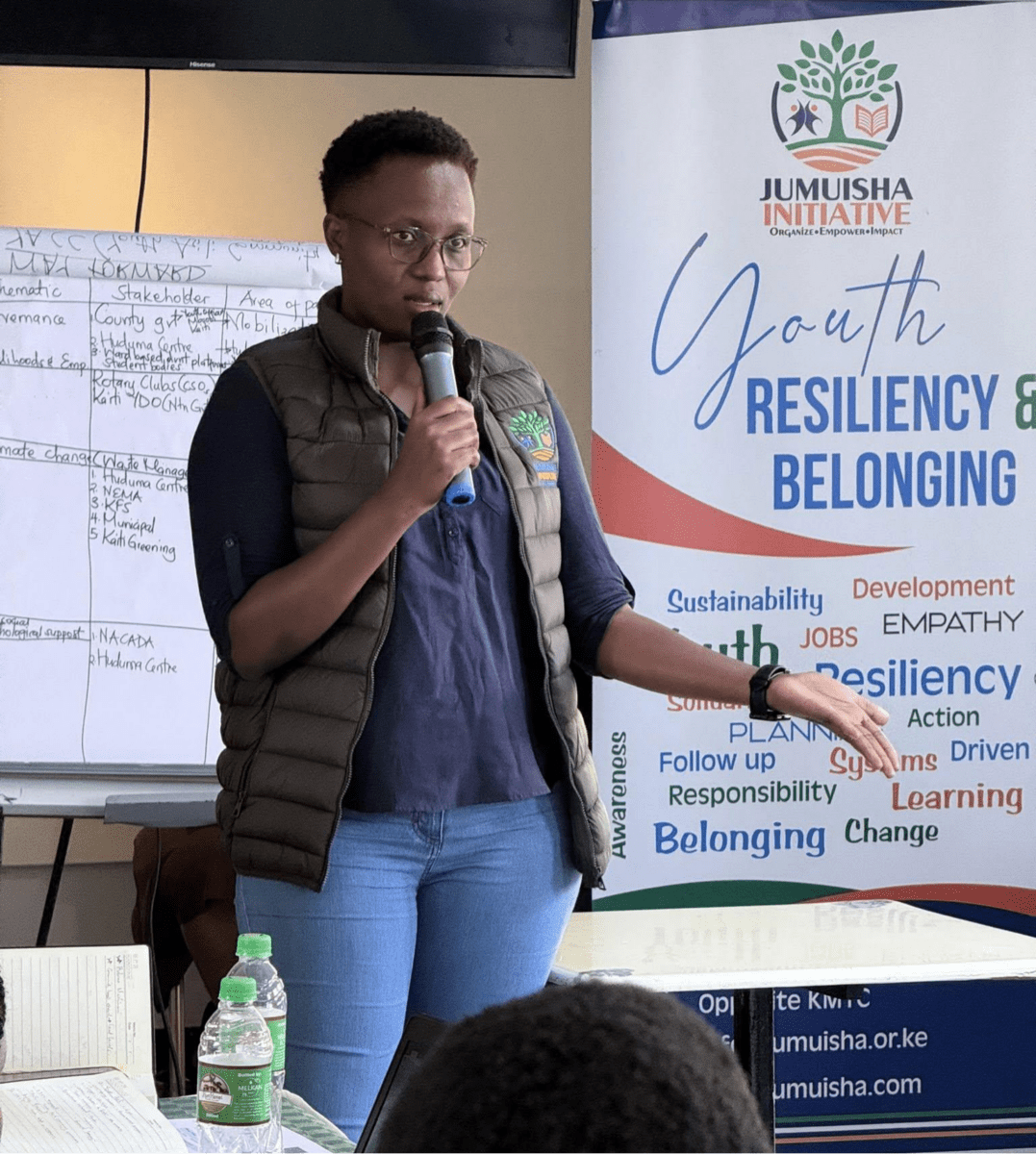
Since launching in two thousand and twenty‑two, Youth Asili reports having trained more than two hundred young people, with ninety‑four specifically in poultry farming. Some cohorts have transformed into microenterprises supplying local markets and schools. Jumuisha Initiative’s executive director, Karen Munyae, stresses the model’s endurance: “We don’t just train and leave. We walk with participants until their businesses become sustainable.”
Yet the programme confronts capacity limits. Demand outstrips supply because resources restrict cohort size, and recruitment often relies on ward leadership, which can miss the most vulnerable. The initiative’s lessons are policy‑relevant: training plus starter assets plus mentorship raises survival rates for microenterprises; replication requires public co‑investment.
Kennedy now mentors two young people inside his poultry enterprise, providing wages and skills transfer. That multiplier effect that helps trainees to create jobs for other trainees is precisely what county planners need to see replicated. “With more support, youth unemployment can become a thing of the past,” Kennedy says. His testimony is practical: mentorship produces not just skills but sustained revenue, local hiring and civic stability.
Jumuisha’s model sits where county priorities and national law intersect. Kenya’s Constitution obliges the State to create opportunities for youth under Article fifty‑five; devolution gives counties responsibility for local economic development, agriculture and youth empowerment.
In Makueni, county officials such as the CEC for Gender, Children, Youth and Social Services publicly endorse enterprise approaches that convert training into work. Eng. Sebastian Kyoni, the county CEC, argues that “sustained investment in youth enterprise is critical to reducing unemployment,” and points to programmes like Youth Asili as scalable complements to county development plans.
Where Youth Asili influences policy is in practice: it supplies a tested package counties can adopt. A cohort training, starter inputs, mentorship, market aggregation and follow‑up. Jumuisha has begun presenting its results in county forums and budgets, urging officials to fund seed rounds and to integrate mentorship into county youth schemes. That kind of civic‑to‑county feedback is exactly what devolution was meant to enable.
Closing policy gaps
Youth Asili exposes practical policy gaps and offers remedies. First, small starter grants or in‑kind packages must be matched with mandatory mentorship and market facilitation. Second, ward‑level selection must be transparent and include measures to reach excluded youth.
Third, counties should create simple procurement or purchasing windows for small producers such as schools, clinics and county kitchens can become reliable offtakers for eggs, vegetables and honey. Finally, matching funds and recurrent budgets are needed so cohorts are continuous, not intermittent.
Jumuisha’s leaders have begun to press these points in public participation forums and with county technical teams. “We present costed proposals that show how a modest county line in the youth enterprise budget can multiply into jobs and taxable activity,” Munyae says. “That’s the conversation we need with MCAs and the treasury.”
Youth Asili is not only about young men; women like Priscilla find routes to autonomy. Gender‑sensitive recruitment, mixed cohorts and targeted support for women with caregiving responsibilities are part of Jumuisha’s design. The results matter not only for incomes but for household resilience: women who run microfarms can smooth consumption and reduce reliance on harmful coping strategies.
The initiative faces real constraints. Funding limits cohort size; transport and market barriers erode margins; and donor dependence leaves programmes fragile. Recruitment reliant on ward leadership sometimes excludes the most marginalized. And national programmes such as NYOTA, while promising, often lack the mentorship and local follow‑through Jumuisha provides.
Local advocates call for integrated responses: county budgets that ring‑fence youth enterprise lines, technical support from agricultural extension services, and formal linkages to national youth funding with conditional mentorship requirements. When these elements align, small startup grants can translate into durable livelihoods.
A public‑private ecosystem
Some graduates have diversified in baking, catering and apiculture, showing the model’s adaptability. Local small traders, aggregators and cooperatives have started to purchase from programme graduates, and Jumuisha is building those relationships into structured market pathways. That ecosystem is essential: training without buyers collapses; buyers without quality supply fails too. Youth Asili’s work in quality control, packaging and business planning is the bridge.
The project sits squarely within Kenya’s constitutional and devolution frameworks: Article 55 on youth opportunity, county mandates on agriculture and local economic development, and national commitments to youth employment.
At continental level, Youth Asili echoes Agenda 2063’s call for inclusive growth and the African Union’s emphasis on youth as drivers of transformation. The political test is whether county treasuries and national programmes adopt the mentorship‑plus‑market approach as policy, moving from pilots to funded programmes.
For Kennedy, the change is intimate: “I no longer have to choose between pride and survival,” he says. Priscilla’s confidence now backs a family and gives her a voice in local meetings. For Munyae and Jumuisha, these personal transformations are evidence and an argument that small investments, well structured, produce systemic returns.
Institutionalizing success
To move from promising pilot to county policy, Youth Asili needs three things: consistent public co‑financing, formal mentorship standards embedded in county youth programmes, and reliable market offtake mechanisms that absorb increased production. Jumuisha has tested the model; Makueni’s policymakers now face a choice: scale with clear county commitments and budget lines, or let grassroots gains remain localized and fragile.
Youth Asili’s model reframes youth unemployment as solvable at the intersection of training, mentorship and markets. It demonstrates that counties can convert policy promises into livelihoods by funding starter inputs, mandating mentorship and creating local procurement windows.
For Kennedy, Priscilla and the hundreds of young people who have passed through Youth Asili, entrepreneurship is no longer an afterthought, it is a political and economic pathway that, with public backing, can be replicated across counties and turn policy into measurable progress.

Leave a Reply