Is localisation truly possible? Can local actors take the lead in identifying and addressing the issues that affect their communities? Shereen Essof, Executive Director of *JASS (Just Associates), and Anuradha Chatterji, Executive Director of *CREA, share how partner organisations, within the Count Me In! (*CMI!) consortium, are enabling local actors to drive change among structurally excluded communities through strategic resourcing, movement-building support, and dedicated advocacy spaces.
Text: Elizabeth Kameo
In the mid-2000s, Malawian women living with *HIV/AIDS (*WLWHIV) faced severe stigma and discrimination. Three organisations came together to form a partnership that empowered these women to take the lead in transforming their own lives and their communities.
As part of the *CMI! movement strategy, *JASS supported this organising process, which grew into a movement of more than nine thousand women campaigning for better access to antiretroviral treatment.
‘In 2005 and 2006, in Malawi, no one spoke about the impact of *HIV on women. So *JASS partnered with ActionAid and the Open Society Initiative for Southern Africa (*OSISA) to strengthen the organising power of rural Malawian women, so they could lead the change needed to live with dignity,’ says Shereen Essof, Executive Director of *JASS.
According to Essof, the partnership created spaces where women could share their experiences, build confidence, and take the lead in driving the change they envisioned. ‘Through open discussions, the women built trust and confidence, laying the groundwork for what we call transformative power; the belief that I matter, I belong, and that by working with others, I can make change happen,’ she explains.
‘By 2010, these efforts had brought together sixty women leaders from three provinces in Malawi and mobilised more than a thousand women. They forged alliances with unions, the Ministry of Health, and both Christian and Muslim leaders. By 2012–2013, their organising led to a policy victory, driven by *HIV-positive women advocating for improved drug regimens,’ she points out.
At a time when ‘localisation’ was not yet a buzzword in the development sector, this initiative stood as a clear example of locally led change. ‘Localisation is beneficial because it allows local actors to address the challenges in their communities—they understand their needs best. Instead of working top-down, you work bottom-up,’ says Anuradha Chatterji, Executive Director of *CREA.
She adds, ‘It also enables organisations to pinpoint problems accurately and respond with collective, contextually relevant solutions.’

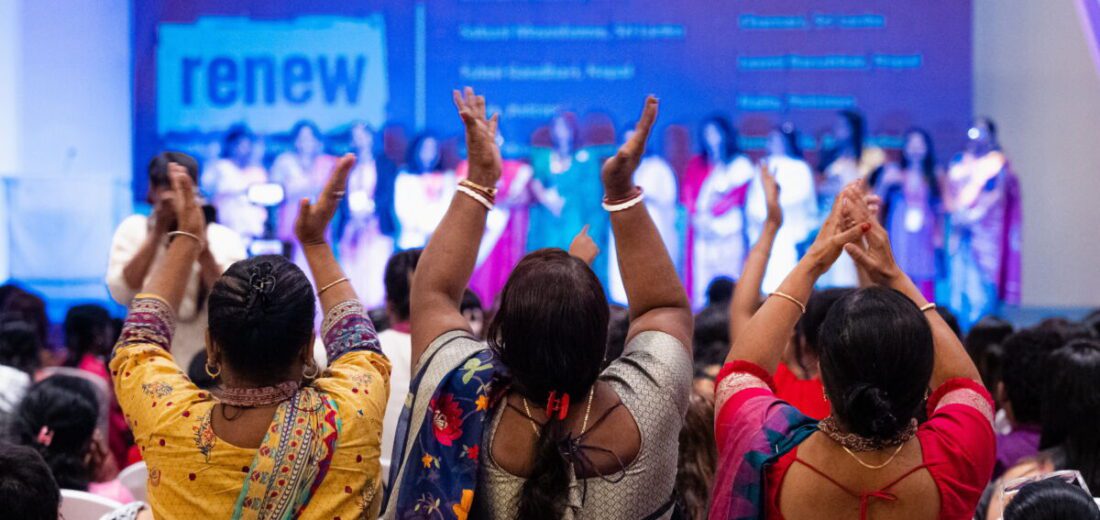
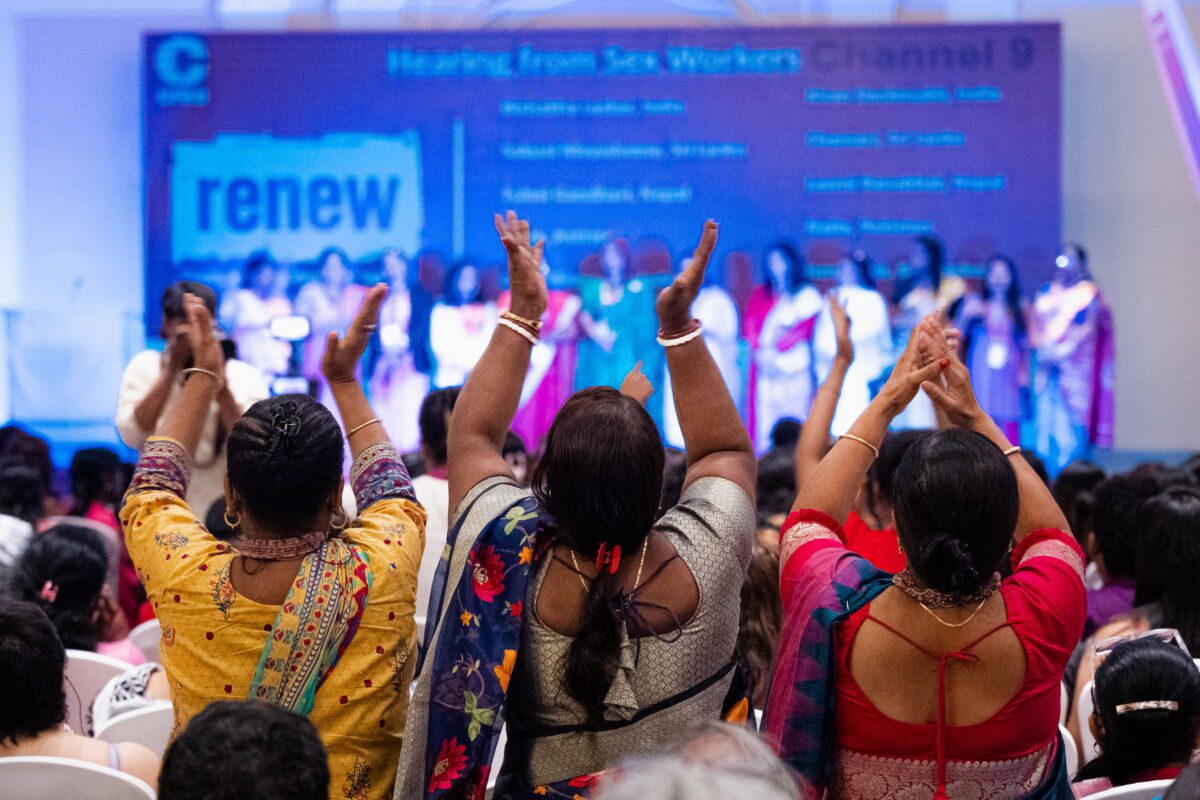
One example of successful localisation within *CMI! is the South Asia Sex Workers Summit, organised by *CREA in May 2024 in Kathmandu, Nepal. The summit brought together more than two hundred sex workers from India, Bangladesh, Nepal, Pakistan, and Sri Lanka, alongside allies.
It resulted in the Kathmandu Declaration, which calls for the protection of sex workers’ rights and tackling systemic exclusion. ‘*CREA is not a sex worker–led organisation, but after working with sex workers for more than two decades, they consider us an ally.
‘The Kathmandu summit highlights *CREA’s role in movement building and in equipping structurally excluded groups—*LGBT people, sex workers, young women and girls, and people living with disabilities—with information, knowledge, and capacity-building support so they can lead change,’ says Chatterji.
According to her, successful localisation requires shifting power and adopting a bottom-up approach, while ensuring communities have the tools and resources to lead. Essof agrees, noting that evidence shows localisation is possible, but not through a top-down approach.
‘Localisation means shifting power dynamics in more equitable ways. It demands changes in traditional methods and mindsets about who acts and how they act. It can be complex and challenging, requiring significant adjustments in approach and perspective,’ she explains.
Within the consortium, members work to achieve this by transferring power and fostering inclusive participation. ‘Sustainable change is more likely when diverse groups are engaged and empowered, rather than relying solely on top-down approaches that have often proven ineffective. That is why the consortium addresses power dynamics at its core,’ Essof explains.
Each organisation brings unique strengths that, when combined, drive locally led change toward a shared goal. ‘It was no accident that *CMI! emerged between 2010 and 2012. Many of these organisations were led by people who knew and trusted each other.
‘Then, as now, it was critical for like-minded organisations to join forces, pooling their strengths in a resource-limited context to achieve greater impact,’ she adds. Both Executive Directors stress that collaboration is not only essential for successful localisation but also for the valuable lessons it brings.
Because contexts and partners change, it is important to listen, build trust, respond to their needs, give them the power to make change, and remain open to changing ourselves. Collaboration, Chatterji says, is a lesson in flexibility, adaptability, and staying connected with partners.
Essof adds that one critical lesson is recognising that shifting attitudes and norms is never easy—and there are no quick solutions. ‘The key element is time: investing in alliances and accepting that conflict and compromise are part of the work.
‘The ‘*Our Bodies, Our Lives’ campaign in Malawi began in 2006 and continues to evolve in 2025. This shows that meaningful change demands a long-term perspective. The development aid industry often seeks quick fixes, but those approaches rarely work,’ she explains.’
As *CMI! members work to ensure local actors lead change in their communities, they must also contend with shrinking civic space—areas outside government control where people organise for collective wellbeing—which is increasingly restricted in many parts of the world.
‘The language of ‘closing civic space’ really means increased repression, since space does not close by itself. With rising repression, we must be more creative and prioritise safety when creating spaces,’ says Essof.
‘Shrinking space for activism in the *USA is not surprising; it happened in Uganda decades ago. But *CMI! and women’s rights organisations have long experience working in hostile environments, making us skilled at adapting and staying agile under repression.’
For Chatterji, shrinking civic space raises a fundamental question: ‘How do we work with the resources available, and what issues must we address to ensure our gains remain relevant? Shrinking civic space in India and Pakistan, the anti-*LGBT law in Uganda—this is not business as usual. Yes, resources are shrinking, and we knew this could happen,’ she explains.
She continues: ‘We need to strengthen voices and capacities for change, secure the resources to keep our work going, connect partners with funders, and train them in resource mobilisation—while holding the line. This change is permanent, but we can continue to adapt, and no one can take that away.’
Thanks to *CMI!’s collaborative, bottom-up approach, communities are now better equipped to adjust and carry on their work in shifting contexts.
‘From a movement-building perspective, once people have the tools, the awareness to recognise power and develop strategies to hold it accountable, the confidence and self-determination, and the understanding that they are stronger together—they will keep working and creating change,’ says Essof.
She adds that agility and resilience are essential for meeting challenges in an ever-changing environment. ‘Overcoming challenges calls for agility, resilience, and strategic shifts. We must adapt to change while keeping people safe and continuing to work in resource-depleted contexts,’ she says.
‘Ten years ago, the challenges were different. But the consortium’s infrastructure has enabled us to build relationships, trust, and understanding—allowing us to think creatively, navigate obstacles, find solutions, and expand our reach.’ Despite these hurdles, Essof and Chatterji agree that preserving the progress achieved so far is essential.
‘Today, there is a growing wave of conservatism, authoritarianism, and right-leaning movements in many countries. *CMI! envisions a world that is gender-equal and just, where women, non-binary, gender non-conforming, trans, and intersex individuals can fully enjoy their rights,’ says Essof.
‘Achieving this vision will mean holding on to our goals while adapting our strategies to uphold our principles. Safeguarding the progress we have made will be just as important as pushing for new gains.’
Streamers
‘It demands changes in traditional methods and mindsets about who acts and how they act.’
‘The key element is time: investing in alliances and accepting that conflict and compromise are part of the work.’
‘Shrinking space for activism in the *USA is not surprising; it happened in Uganda decades ago.’
Text Box
*CREA and *JASS are two *CMI! member organisations working on the ground in the Global South to build and strengthen movements within local communities.
Through its strategies (money, movements and making change), *CMI! ensures that women’s rights organisations and defenders have the financial resources they need to carry out their activism and equips them with tools and spaces to craft their own strategies.
About *CMI!
Active since 2016, Count Me In! (*CMI!) is a global consortium of eight organisations working across twenty-six countries. It brings together feminist funds and movement-support organisations from both the Global North and South.
Since its inception, the consortium has engaged twenty-five thousand women’s rights organisations and twenty thousand activists, contributing to two thousand eight hundred changes in laws, norms, and policies.
*CMI! is led by Mama Cash, in collaboration with the Urgent Action Fund for Feminist Activism (*UAF), Urgent Action Fund Africa (*UAF-Africa), the Association for Women’s Rights in Development (*AWID), *CREA, and *JASS (Just Associates).
Within the consortium are two strategic partners with distinct roles—WO=MEN and the Red Umbrella Fund. ‘We have donors like Mama Cash and the *UAF sister funds, movement-support organisations working directly in communities, and *AWID, a global feminist network,’ explains Shereen Essof, Executive Director of *JASS.
‘Together, these organisations work towards *CMI!’s three core strategies: money, movements, and making change.’
Over the years, *CMI! has achieved significant milestones, including the adoption of a gender-inclusive taxation policy in Masaka, Uganda (2022), provision of humanitarian aid to marginalised women during Cyclone Freddy in Malawi (2023), and the passing of an anti-*GBV bill in South Sudan (2023). *CMI! also contributed to amending Zimbabwe’s Labour Law to expand the definition of sexual harassment (2022) and has championed sex workers’ rights at *CSW (2021 and 2022) and Women Deliver (2023) through dedicated advocacy events.
Leave a Reply