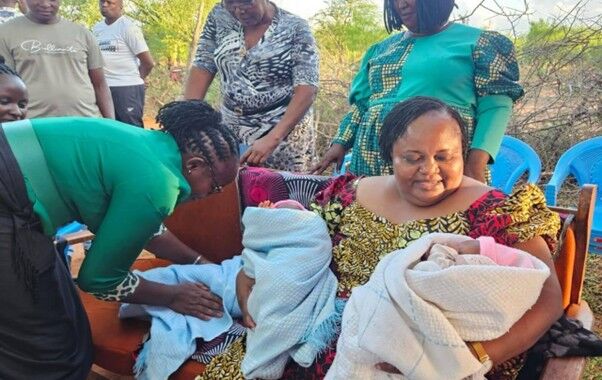
At just 15, many girls in Makueni see their education, and future, abruptly interrupted by pregnancy. Behind these stories lie deeper gaps in access, protection, and opportunity. As stigma and systemic barriers persist, a growing effort is helping teen mothers return to school and reclaim their paths.
“I was scared to have sex. I didn’t want to become pregnant, but my boyfriend convinced me it couldn’t happen the first time. I was 15. I thought my period would come—but it never did,” says Mary*.
At the height of the COVID-19 pandemic, Mary* lost her virginity to a slightly older peer. Lured by misinformation and limited access to accurate sexual and reproductive health education, she became pregnant at just 15.
In her village of Musunguu in Mbooni East, she had been seen as a symbol of hope for a brighter future—until that future was abruptly disrupted. Her experience reflects broader gaps in access to reproductive health information and protection systems for adolescent girls.
A growing crisis
According to the Kenya Demographic and Health Survey (KDHS) 2022, 15% of women aged 15–19 in Kenya have been pregnant—12% having given birth, 1% experiencing pregnancy loss, and 3% currently pregnant with their first child.
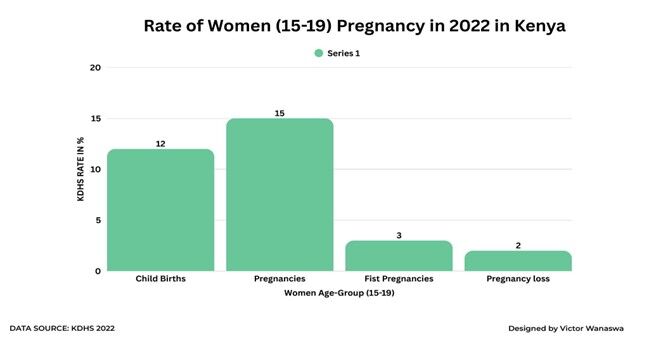
These figures highlight how early pregnancy continues to disrupt education and limit long-term opportunities for adolescent girls.
In Mukuyuni village, Makueni County, a similar story unfolds. Everline* also became pregnant at 15. Fear and shame drove her to seek an unsafe abortion. She believed a handful of pills from a local vendor could quietly erase her situation.
Instead, severe abdominal pain struck within hours, followed by heavy bleeding that left her weak and barely able to stand. She was rushed to a nearby health facility, where medical intervention saved her life—and the pregnancy continued.
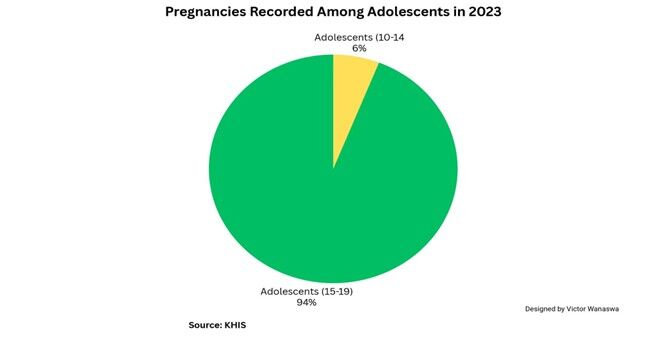
Teenage pregnancy remains a major challenge in Kenya. In 2023, a total of 110,821 pregnancies were recorded among adolescents aged 10–19 within the first five months alone.
According to the Kenya Health Information System, 6,110 of these pregnancies were among girls aged 10–14, while 104,711 were among those aged 15–19. These trends underscore the scale of the challenge and the vulnerability of adolescent girls.
Wanza says the person responsible took advantage of her parents’ economic hardship. “As a boda-boda rider, he would often give me small amounts of money to buy sanitary towels and other necessities. In return, he demanded sexual favours,” she recalls.
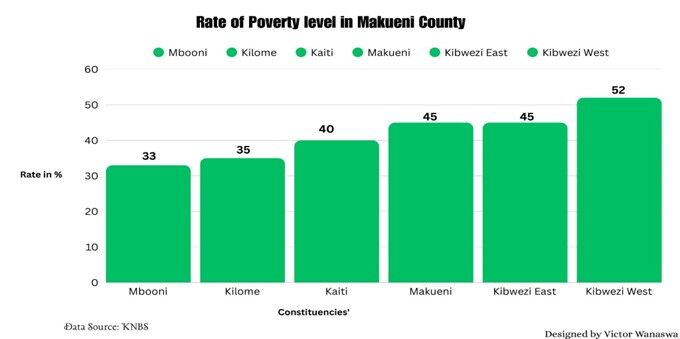
Approximately 44.7% of the population in Makueni County lives below the national poverty line, according to 2022 data from the Kenya National Bureau of Statistics. Poverty continues to intersect with teenage pregnancy, increasing vulnerability to exploitation and limiting access to education and health services.
These risks are often more pronounced in remote and arid areas, where limited access to water, markets, and essential services further compounds vulnerability. For many girls, these conditions narrow their choices early, and make recovery even harder.
Second chance initiative
To address rising cases of teenage pregnancy, Makueni County Woman Representative Rose Museo launched the Second Chance Initiative programme as a pathway for teenage mothers to rebuild their lives through education. It provides full sponsorship for girls to return to school, equipping them with the knowledge and skills needed to compete with their peers and reclaim future opportunities.
The initiative represents a targeted local response to gaps in education access for teenage mothers. “I made a deliberate decision to use the National Government Constituency Development Fund (NGCDF) to sponsor teen mothers in my county—especially those whose parents refused to pay their school fees after they became pregnant,” says Museo.
Funded through KSh 15 million from the National Government Constituency Development Fund (NGCDF), the programme supports girls whose families are unable or unwilling to cover school fees after pregnancy. Beyond tuition, it also provides basic necessities for students in boarding schools and offers mentorship to help them reintegrate and stay on track.
In Makueni County, teenage pregnancy remains a growing concern, contributing significantly to school dropout among girls. While the county records a relatively high literacy rate of 82 percent and a 97 percent transition rate from primary school, the transition to secondary school drops to 82 percent.
Between 2018 and 2021, a total of 25,511 teenage pregnancies were reported in the county, with the majority occurring among girls aged 14–18—highlighting a critical break point in education pathways.
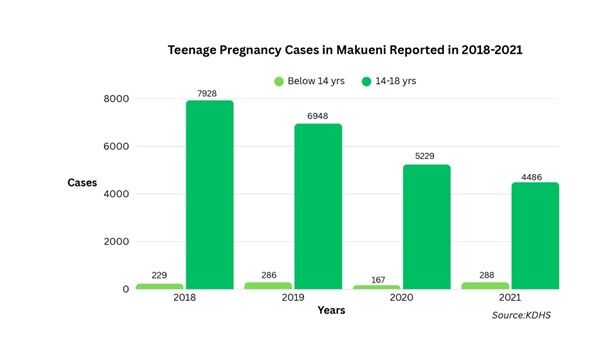
According to Museo, access to sexual and reproductive health information remains limited for many young people. Teenage mothers also face additional barriers, including stigma, poverty, gender-based violence, and peer pressure. Experts say these challenges are deeply interconnected.
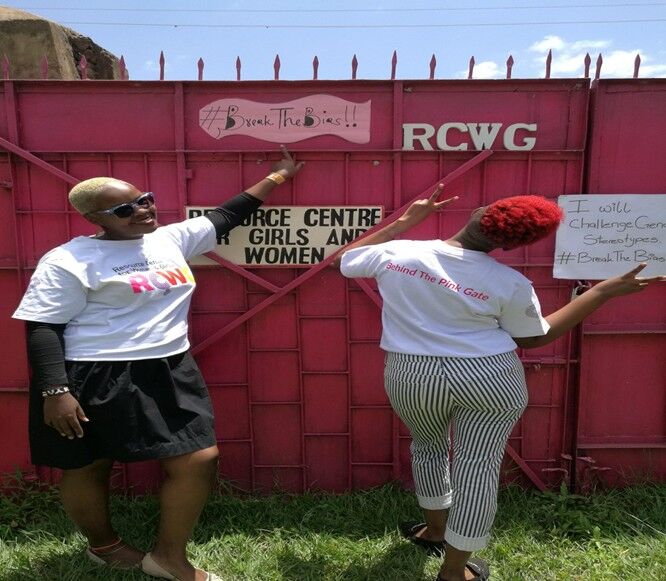
Nyawira Wahito, Director of the Resource Centre for Women and Girls, notes that economic hardship continues to drive vulnerability. “While many families struggle financially, young girls are left vulnerable to exploitation and early motherhood. Lack of sanitary towels among school-going girls pushes them into transactional relationships with men who provide money to buy basic necessities—and in the process, they become pregnant,” she says.
Programme Limitations
Despite its impact, the initiative faces significant structural and social challenges.
Limited resources remain a major constraint. While many girls drop out of school due to pregnancy, the programme relies solely on the National Government Constituency Development Fund (NGCDF), which is unable to support all those in need.
Stigma also continues to act as a barrier. Many teenage mothers are reluctant to come forward and seek support, fearing discrimination and social rejection. At the institutional level, some schools still deny teenage mothers re-admission after childbirth. This undermines both their long-term well-being and their constitutional right to education, and exposing gaps in the implementation of national policy.
Yet there are signs of progress. Mukuyuni Mixed Day and Boarding Secondary School is among the institutions that have opened their doors to teenage mothers after childbirth. The school’s principal, Reuben Musyoka, says many girls enrol there out of fear of returning to their former schools, where stigma and rejection remain common.

“I challenge other schools to create safe, stigma-free learning environments, provide guidance and counselling, and work closely with parents, health workers, and local leaders to support teen mothers,” he says.
These realities persist despite existing national frameworks designed to support teenage mothers. Over the last three decades, the government has introduced policy interventions to facilitate school re-entry. In 2020, the Ministry of Education developed the National Guidelines for School Re-Entry in Early Learning and Basic Education, allowing teenage mothers to continue their education both before and after childbirth.
Policy meets reality
However, implementation remains inconsistent. Research by IDinsight highlights several key barriers. In many cases, enforcement is left to the discretion of individual headteachers, due to a lack of clear operational guidelines. This creates uncertainty around critical issues—such as how long a pregnant girl can remain in school, when she can return after delivery, and how reintegration should be managed.
Awareness of the policy is also limited among parents, teachers, and teenage mothers themselves, reducing its effectiveness. At the same time, stigma within schools continues to push some girls out of the education system altogether.
For beneficiaries like Winfred Vaati, however, the impact of the initiative is clear. Now a graduate of Meru University, she credits the programme with giving her a second chance at life.

“I consider myself incredibly lucky that I completed my university education despite being a teen mother. This initiative gave me hope when I had almost given up on myself,” she says.
“I ask that it be expanded to reach more girls like me—those who feel forgotten, ashamed, and left behind—so they too can have a second chance at education and a better future for themselves and their children.” Expanding such initiatives, while strengthening policy implementation and addressing stigma, will be critical to ensuring that more girls are not left behind.
Leave a Reply