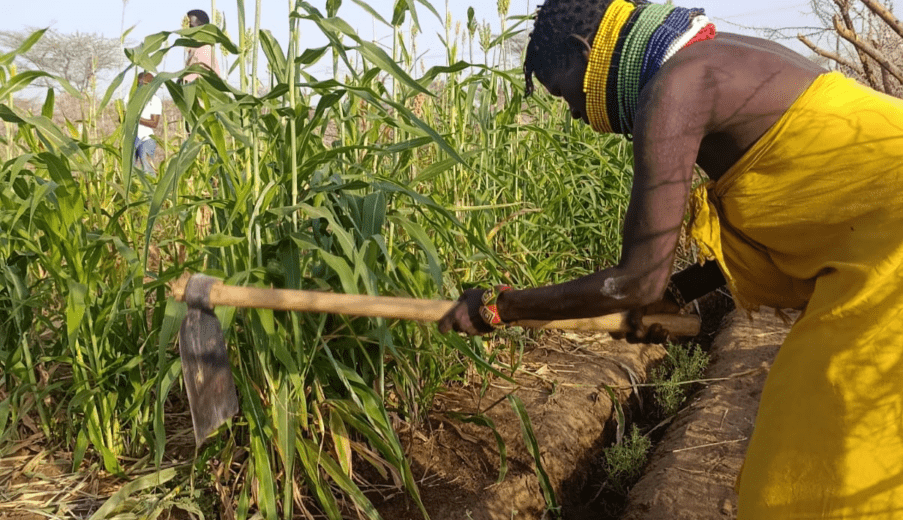
How Lolupe women stepped in when aid failed
In Turkana’s Lolupe village, drought exposed more than hunger—it revealed the limits of aid that came too late. As children grew weaker, a group of women made a decisive shift: stop waiting, start producing. What followed is a story of survival turning into structure, and scarcity into strategy.
For residents of Lolupe village in Turkana County, 2019 is remembered as a year of fear. The rains failed again. Riverbeds cracked open, grazing land disappeared, and hunger crept steadily into homes. For mothers, the most painful sight was not empty granaries—but children growing thinner by the day.
When rains failed
The crisis exposed critical gaps in drought response systems, where delayed aid and limited local resilience measures often leave communities vulnerable at their most critical moments. A county nutrition briefing referencing the 2019 SMART survey reported that 25.6% of children were wasted, 23.3% were stunted, and 37% were underweight. The effects were visible.
Health clinics began to record a rise in cases of undernutrition among children under five. Hair thinned and lost its colour. Ribs became pronounced. Mothers walked long distances to health centres, carrying weak infants on their backs. Relief food was promised, but deliveries were often delayed, sometimes arriving after the damage had already been done.
For many families, waiting was no longer an option. “We waited for help, but help did not always come,” recalls Rose Ekiru, a mother of five and now chairperson of the Lolupe Women Group. “Our children were suffering. We knew we had to do something for ourselves.”
That realisation became a turning point. For years, families in Lolupe had depended heavily on relief food during droughts. While lifesaving, aid was often unpredictable. Quantities were often insufficient, and delays meant households endured long stretches without food. And the drought cycles were not easing.
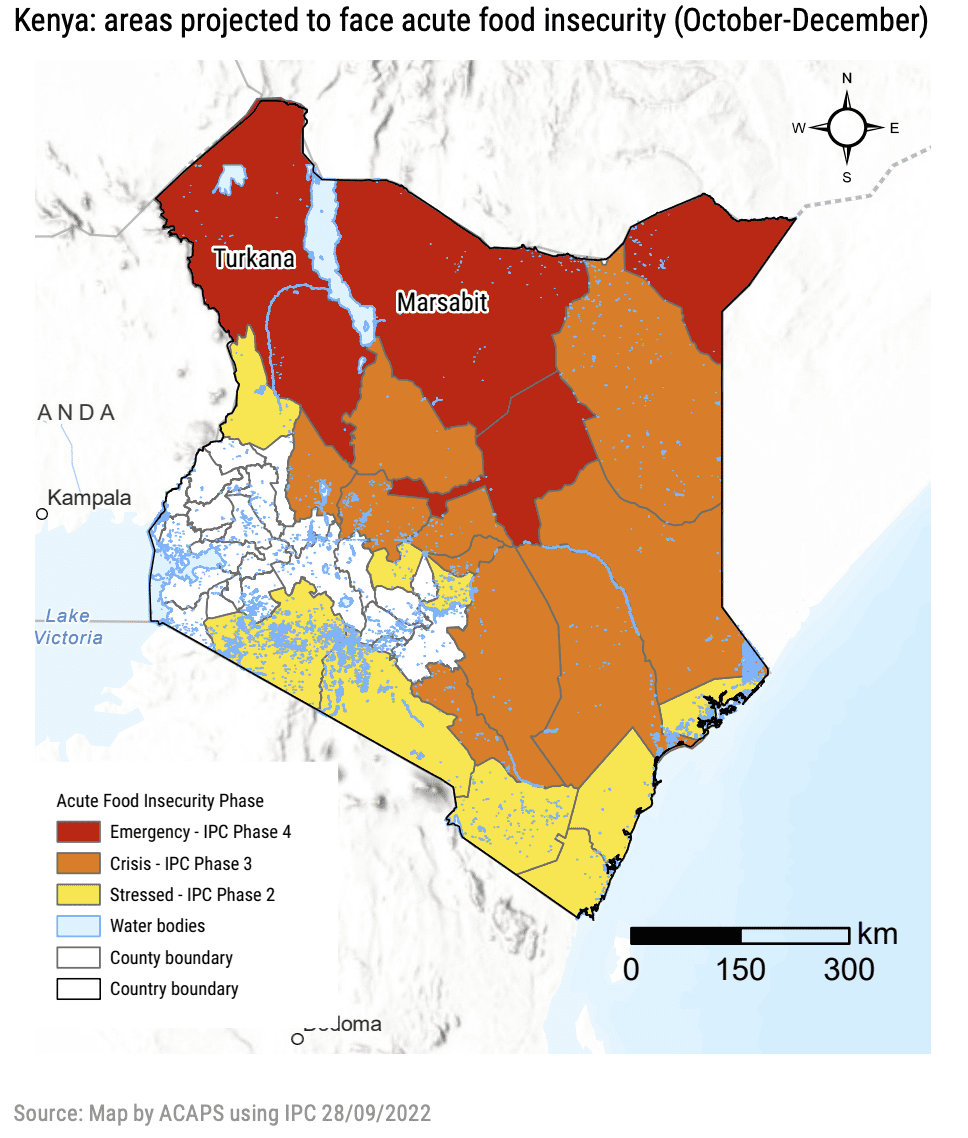
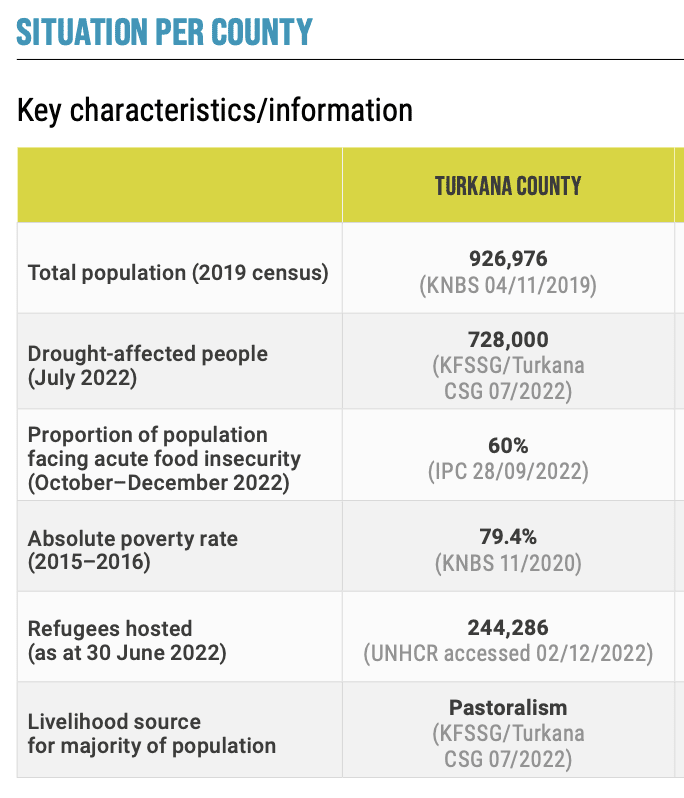
An ACAPS drought impact report later projected that 556,000 people in Turkana would face Crisis (IPC Phase 3) or worse between October and December 2022—up from 139,000 during the same period in 2020.
Action under pressure
In 2025, Save the Children warned of worsening conditions across Kenya, estimating that 87,000 children under five and 36,000 pregnant and breastfeeding women required treatment for acute malnutrition. A significant share of the population was also not getting enough food.
Women bore the heaviest burden. They skipped meals so their children could eat. They queued at clinics with malnourished babies. They lived with constant anxiety. “We would hear that food was coming, but it could take weeks,” Rose says. “By then, children were already sick.”
In the middle of one particularly harsh season, a small group of women began meeting informally under a tree near the village. They gathered around a simple question—but radical for a community long dependent on emergency aid: What can we do with what we have?
Despite Turkana’s harsh climate, the women believed small-scale farming was possible, if done strategically. With guidance from local agricultural officers and community partners, they selected crops suited to local conditions: kale, which grows quickly and is nutrient-dense; beans, a key source of protein for children and breastfeeding mothers; and potatoes, which are adaptable and filling even on small plots.
Their approach aligned with broader food security strategies that prioritise dietary diversity and local production in arid and semi-arid regions. “We chose kale because it grows fast, and beans because they give strength,” Rose explains. “We were thinking about nutrition first.”
Using small plots near their homes and seasonal water points, the women pooled labour, shared seeds, and prepared land together. Some had never farmed before. Others had lost confidence after years of failed harvests. “When the first green leaves appeared, it felt like a miracle,” Rose says quietly. “We were no longer waiting. We were providing.”
Crisis to structure
What began as a crisis response, gradually evolved into a structured initiative. The women formalised their meetings, elected leaders, and agreed on shared responsibilities. Rose Ekiru was unanimously chosen as chairperson—not for being the loudest, but for being consistent. “She never missed a meeting,” one member recalls. “Even when things were hard, she showed up.”
Each woman tended her own plot, but labour and knowledge were shared. When one member fell sick or gave birth, others stepped in. Solidarity became the group’s backbone.
Kale became a regular part of meals, replacing days when families survived on a single portion or relief porridge. Beans provided reliable protein, particularly for children and lactating mothers. Over time, the women also improved food preparation, preserving nutrients instead of overcooking vegetables.
“At the clinic, nurses started asking what we were feeding our children,” Rose says. “They could see the change.” These improvements underscore the role of community-led interventions in complementing formal health and nutrition systems.
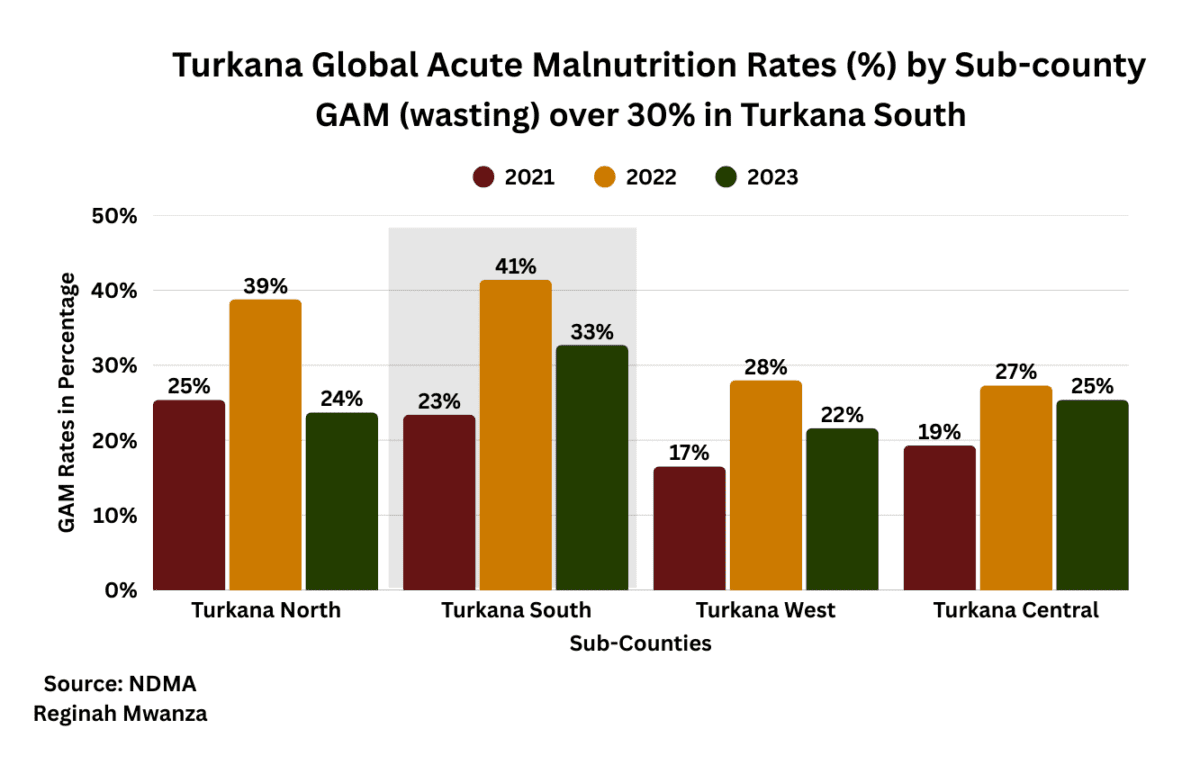
In a county where acute undernutrition among children under five consistently ranges between 21% and 37%, such shifts matter. A national IPC analysis published in September 2023 reported Global Acute Malnutrition (GAM) levels above 30% in Turkana South. This underscores how severe conditions remain, even with ongoing humanitarian assistance.
From aid to agency
Before 2019, many households in Lolupe depended almost entirely on supplementary feeding programmes run by NGOs and government agencies. While lifesaving, access was inconsistent.
“Sometimes food came, sometimes it did not,” one woman recalls. “We lived with that uncertainty.” By growing their own food, the women began to reduce that uncertainty. Relief aid became a backup—not the foundation of survival. Families could plan meals. Children ate vegetables regularly. Mothers could think beyond the next distribution.
“We are farmers now,” Rose says with quiet pride. “Not just mothers waiting for help.” This shift reflects a broader move toward self-reliance in drought-prone regions, where communities are increasingly building resilience alongside—and sometimes in place of—formal support systems.
As the first harvests succeeded, membership grew rapidly. What began with fewer than ten women soon doubled. The idea spread across the sub-county: these women were no longer waiting for aid—they were producing food.
At the same time, some sustained interventions can shift outcomes at a larger scale. County data from the SMART survey indicates that Global Acute Malnutrition (GAM) in Turkana declined from 26.4% in June 2023 to 21.8% in June 2024—a notable improvement, even as levels remain high.
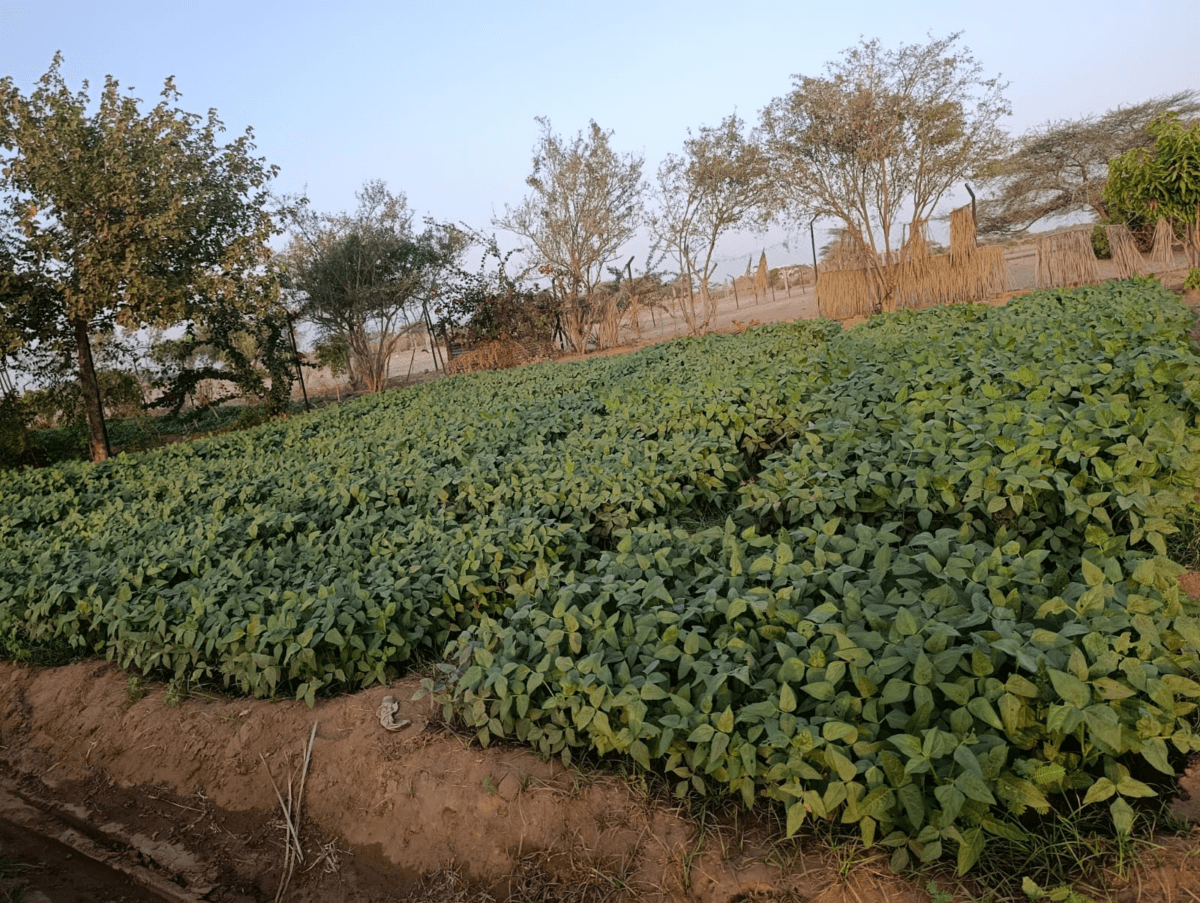
Growth, however, brought its own challenges. Managing shared plots, scheduling watering, and resolving disputes required structure. The group responded by developing a simple but effective system. They introduced rotational labour on collective fields, shared knowledge instead of competing, and reinvested earnings into seeds, tools, and savings.
They also introduced a weekly savings and credit scheme—many members’ first experience with financial planning. This enabled them to buy farm inputs, manage emergencies, and support one another during difficult periods.
Stability
As production increased, surplus kale, beans, and potatoes began reaching local markets. The income was modest—but transformative. Women used their earnings to pay school fees, buy clothes and household essentials, and cover medical expenses.
“This money may be small, but it changes lives,” says Namoru Etuk, a group member. “Before, we had nothing. Now, we have food and a voice.” The transformation was not only economic, it was psychological.
Women no longer woke up fearing whether food would arrive. They woke up knowing they could work, plant, and harvest. “This is freedom,” Rose says. “If the rains fail, we have a plan.”
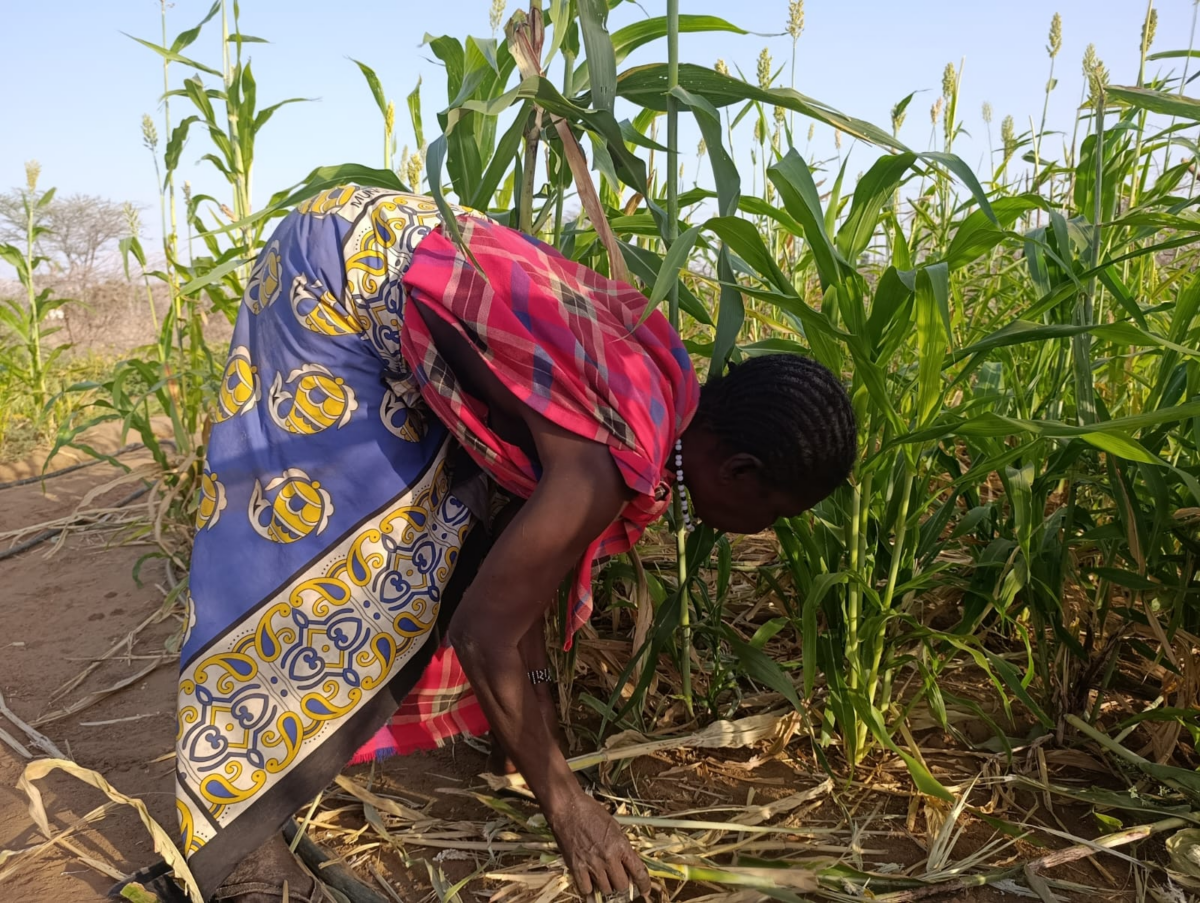
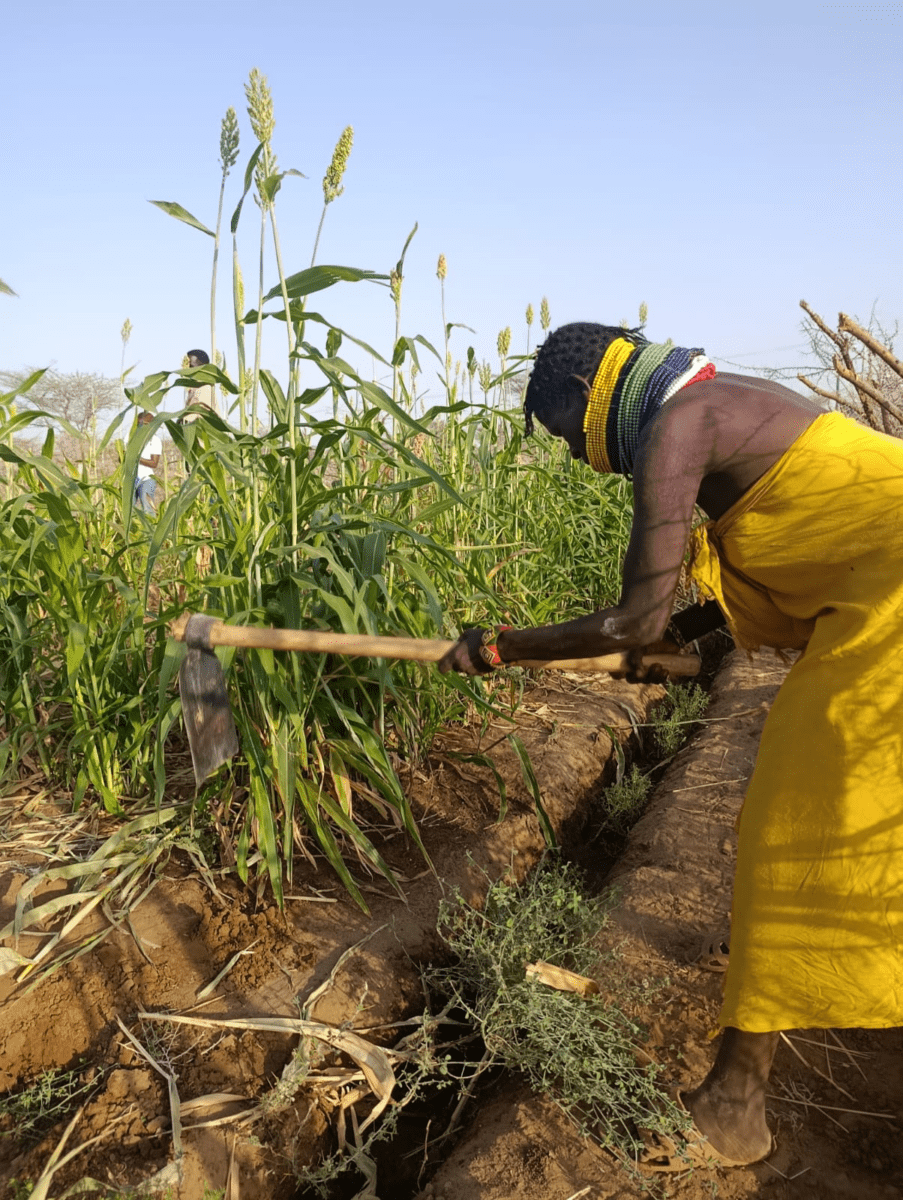
To cope with Turkana’s unpredictable weather, the group adopted more resilient farming practices. They began harvesting rainwater in small tanks and troughs. They also used mulching and composting to improve soil fertility, and practised intercropping to reduce the risk of total crop failure.
Agricultural extension officers and health workers now hold regular training sessions. These focus on pest control methods and drought-resistant farming techniques. Over time, Lolupe has evolved into a learning hub, attracting women from neighbouring villages who come to observe and replicate the model.
The impact is visible beyond the farms. Local health workers report improved weight gain among children in participating households. They also note fewer clinic visits linked to diet-related illnesses. Teachers also note better school attendance and concentration, as children are no longer learning on empty stomachs.
“Before, I feared every night my baby would sleep hungry,” Rose says. “Now I see them running, laughing, growing strong.” At the county level, support is beginning to take shape.
Policy limits
Janet Akipetot, the agriculture officer in charge of Turkana Central Sub-County, says the county government has been supporting farmers through agribusiness training. It also provides farm input subsidies, such as seeds and tools, and links farmers to markets and partners.
Farmers are also given opportunities to visit larger farms—such as Natoot Farm in Loima sub-county—to learn and benchmark on improved techniques. These efforts form part of a broader mandate to strengthen food security, though challenges related to scale, climate variability, and sustained support persist.
The approach also aligns with continental priorities under Agenda 2063, which emphasise food security, climate resilience, and community-led development. Yet translating these commitments into consistent, localised support remains an ongoing challenge.
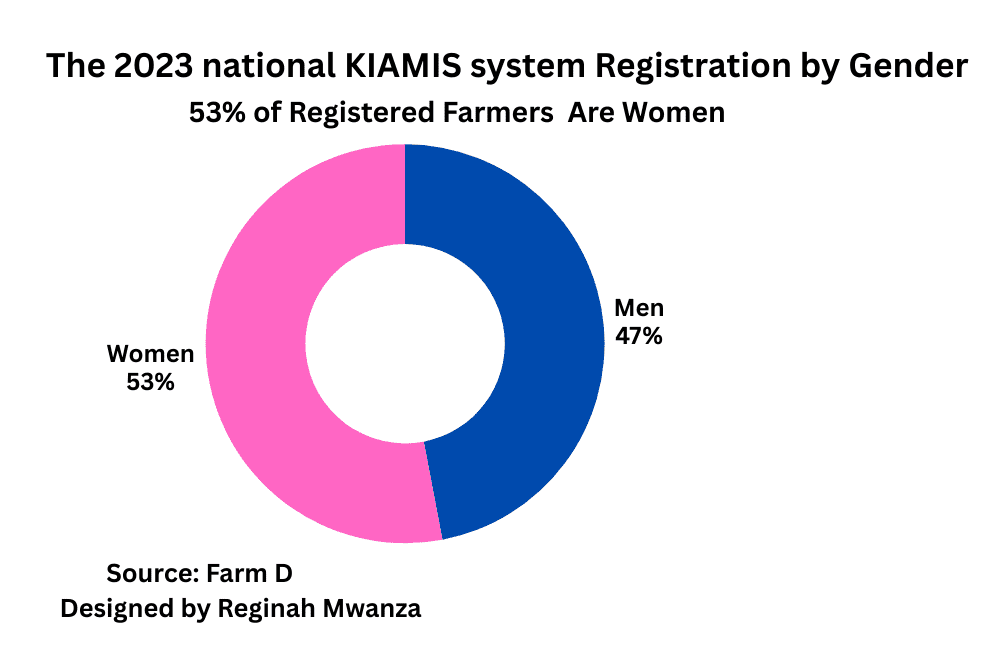
Despite the pressures of climate change, Janet notes that agricultural activity has begun to improve food security in the region, with women making up between 75% and 80% of small-scale farmers. Still, the broader picture remains fragile.
As of early 2026, Turkana continues to face critical food insecurity (IPC Phase 3 or worse), driven by persistent drought and low rainfall. According to the National Drought Management Authority (NDMA), more than 30% of households are experiencing poor food consumption, while approximately 87,000 children under five require treatment for acute malnutrition.
The progress in Lolupe offers a glimpse of what is possible. However, it also raises a larger question: whether community-driven solutions like this can be sustained and scaled, without consistent institutional support in the face of worsening climate shocks.

Leave a Reply