From kitchen gardens to county budgets: How Makueni women are driving climate resilience
Climate change in Kenya is no longer an abstract threat, it is a daily governance challenge shaping what families eat. In Makueni County, women are actively influencing local government responses, rather than coping with challenges. Through organised engagement and evidence, they are pushing climate-smart agriculture, water systems, and nutrition into public budgets.
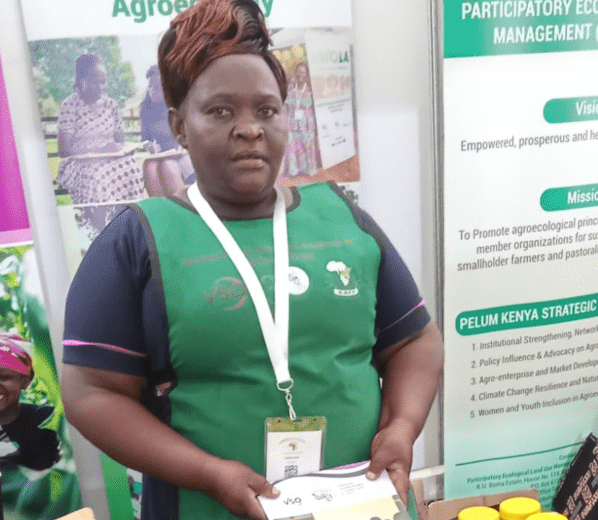
Penninah David stands outside her home in Makueni, surrounded by spinach, kale, and indigenous greens. This would have been impossible just a few years ago. For a woman who grew up watching crops fail and livestock perish, her kitchen garden is more than a source of food. It is proof that organised community action can turn policy promises into everyday reality.
“We used to wait for rain that never came,” she says. “Now we harvest every week, and we eat well.” Her small plot is part of a wider, women-led movement that has moved from demonstration to sustained public support.
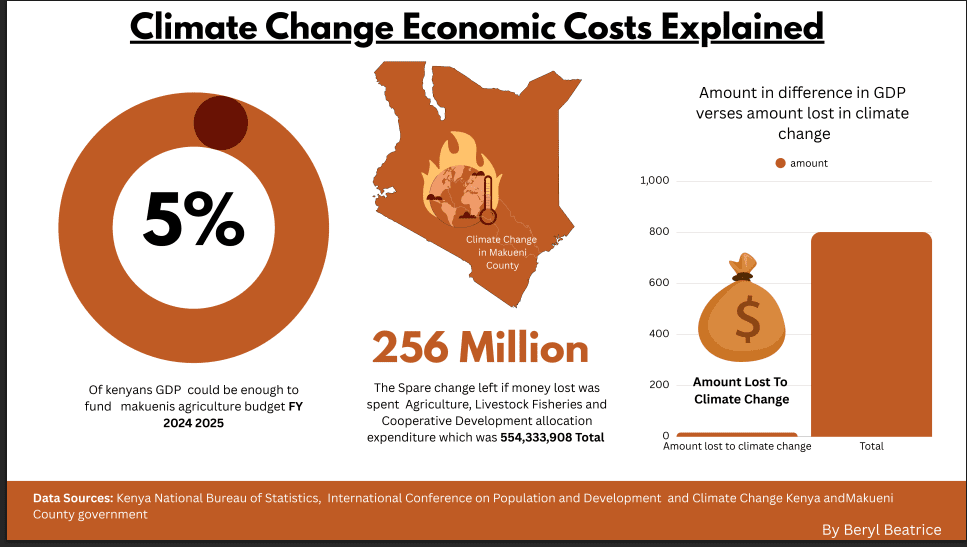
Kenya is already paying a high price for climate change. A 2024 International Conference on Population and Development (ICPD) report estimates losses at about 5% of GDP—roughly KSh 810 billion annually.
To put this into perspective, if this amount were allocated to the Makueni County Government to support women in strengthening food security, it would fully cover the entire budget of the Department of Agriculture, Livestock, Fisheries, and Cooperative Development for the last financial year—and still leave a surplus of over KES 250 million. At the household level, this translates into failed crops, livestock losses, and rising food insecurity.
In response, Candle of Hope Foundation and local groups, such as Sombe Muuo, have combined practical interventions with policy engagement. They support kitchen gardens, agroforestry, and rainwater harvesting, while also engaging county planning and budgeting processes.
This dual approach is changing outcomes. Women are utilising public participation forums and county planning sessions to embed these practices in CIDPs and budgets. This is turning pilot projects into funded programmes.
The Candle of Hope experience shows that three policy shifts determine whether local successes endure. These include mainstreaming climate-smart nutrition into County Integrated Development Plans (CIDPs), investing in small, decentralised water and irrigation infrastructure, and formally recognising and funding community-based animal and human health providers.
Where women have organised to engage county planners and officials, these shifts are already taking place, and household resilience is improving.
Mainstream climate-smart nutrition
Kenya’s Climate Change Act (2016) and the Ending Drought Emergencies framework set national direction, but counties hold the purse strings. Candle of Hope supported women to participate in CIDP public forums, presenting practical solutions such as kitchen garden kits, training modules, and demonstration plots.
The result: climate-smart agriculture and nutrition were no longer abstract policy items but line‑budgeted activities in ward-level extension plans. County extension officers adopted the project’s training modules, and seed distributions and technical visits became regular rather than episodic.
“Once the county recognised our work, it became easier to get support for more families,” Penninah says. Embedding these activities in CIDPs translates constitutional rights to food into predictable support at the household level.
Erratic rainfall remains the primary constraint. Candle of Hope’s advocacy is led locally by women who track harvests and household nutrition, grounding their demands in lived data. They have persuaded county planners to fund community water tanks, recharge schemes, and micro-irrigation pilots in targeted wards.
These investments have stabilised yields. Households with access to stored or pumped water can sustain kitchen gardens through dry spells, improving dietary diversity and generating extra to sell.
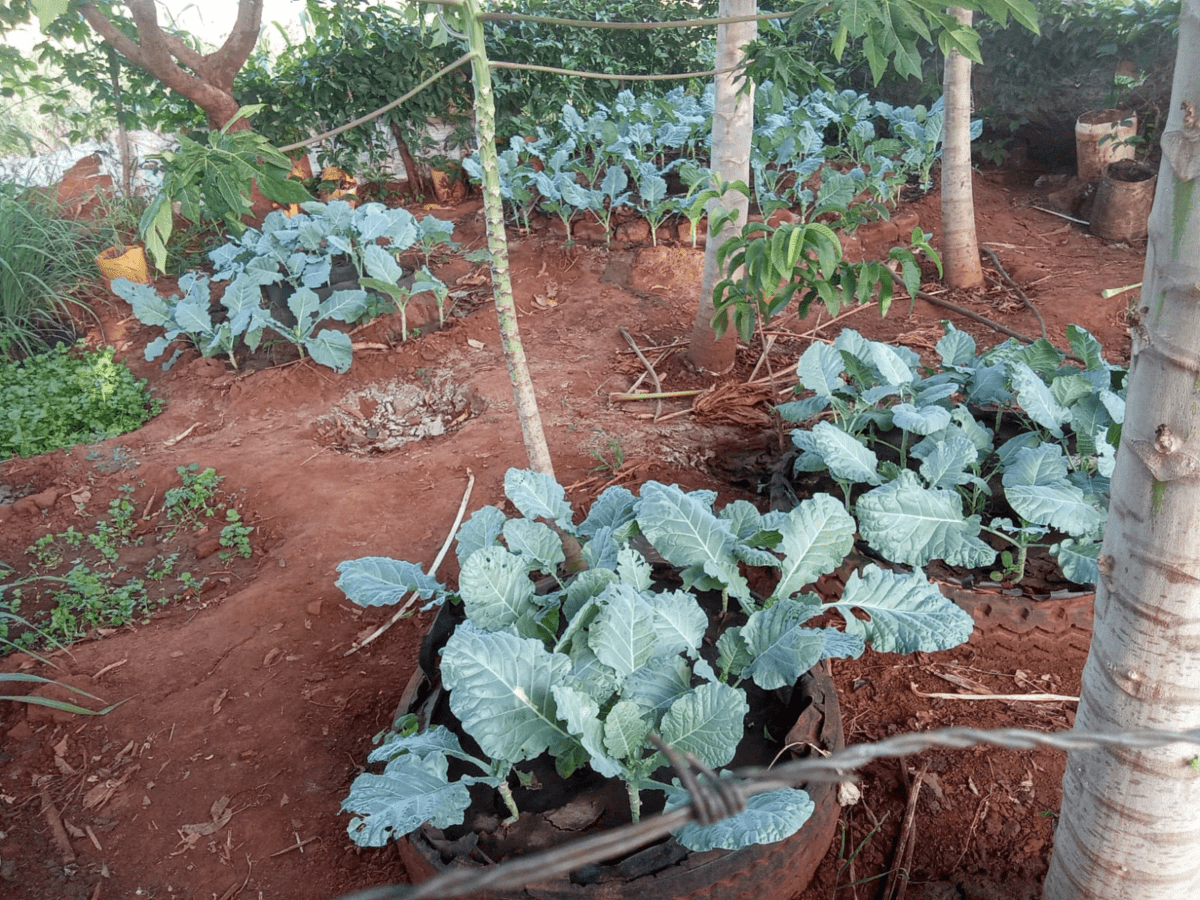
“When households can water a garden through the dry season, dietary diversity improves, and families can sell surplus produce,” explains project manager Jonathan Mwaniki. Counties that allocate contingency funds to small, decentralised systems are seeing faster, measurable returns on nutrition per shilling spent.
Livestock losses erode both nutrition and household capital. Women trained as community animal health workers and community health volunteers have helped fill critical service gaps, while advocacy has ensured these cadres are recognised in county service blueprints.
Candle of Hope collaborated with FAO and county veterinary officers to certify and supervise community providers. After which, counties introduced modest recurrent budget lines for vaccines, deworming supplies, and supervision.
The results are clear: lower animal mortality, higher milk yields, and increased household income. “Now we have community ‘vets’ who treat, deworm, and advise, and animal mortality has fallen,” says trainer Joseph Ngoka. Policy recognition has turned informal volunteers into resourced frontline providers.
Women at the heart of governance
Sombe Muuo and Candle of Hope show that women are not merely beneficiaries, but policy actors. They lead community consultations, document results, and petition county assemblies to fund proven interventions.
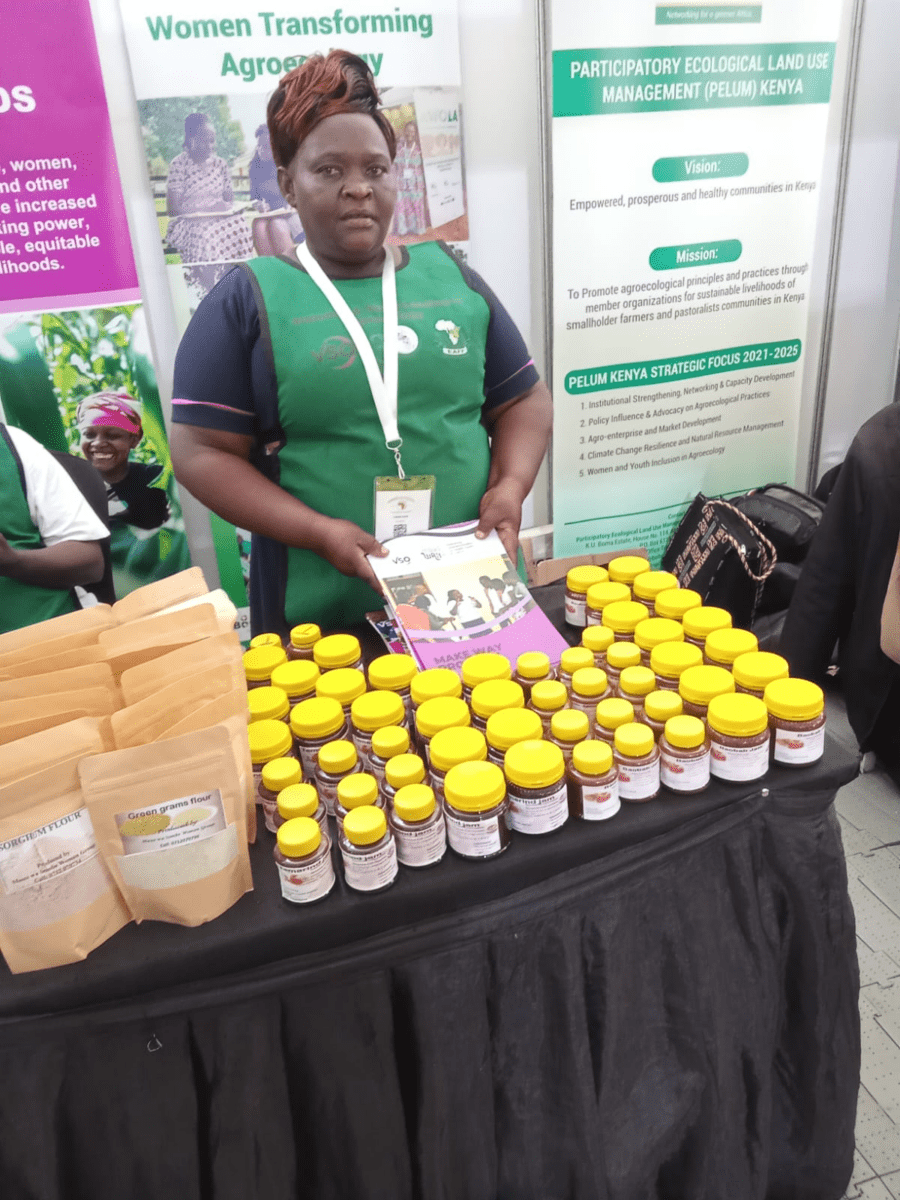
Training integrates agro-nutrition, value addition, and market linkages for drought-tolerant species such as baobab and tamarind. Women process wild fruit into jam and sell it in Mombasa, using the proceeds to purchase seed, fertiliser, and veterinary drugs.
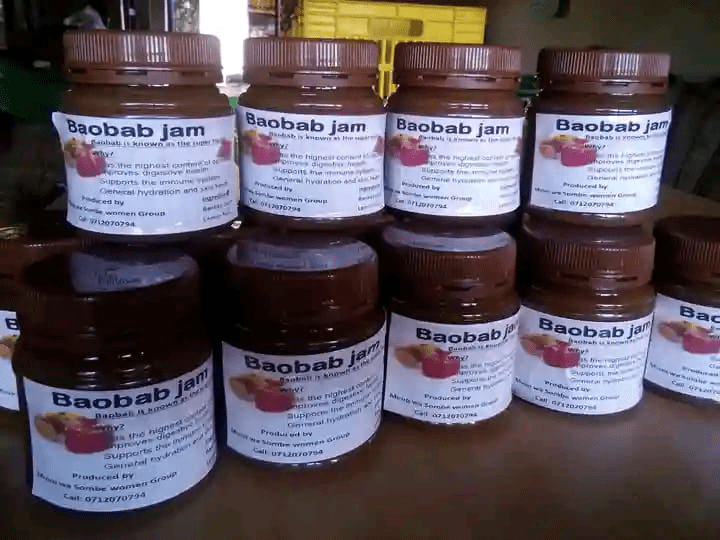
“We used to ignore these trees; now we process and package products that bring income,” says Lilian Mutua. That income, especially when combined with county services, strengthens resilience at the household and community level.
Kenya’s Constitution guarantees freedom from hunger and obliges the state to protect the right to food. Devolution assigns counties the responsibility for planning and financing local interventions through CIDPs.
By mobilising women to engage in planning and budgeting processes, Candle of Hope is translating constitutional and continental commitments into local action. These include the AU Agenda 2063 and the AU Gender Equality and Women’s Empowerment Strategy, which are now reflected in funded programmes.
When county budgets reflect women’s priorities, local pilots can scale into sustained public programming across ASAL counties.
Candle of Hope supported its advocacy with evidence, including improved dietary diversity, higher weekly sales from surplus vegetables, reduced livestock mortality, and positive feedback from the beneficiaries. Joint monitoring reassured officials that public funds were delivering measurable results. This included field visits with county officers, beneficiary validation, and community complaint mechanisms.
“Accountability is central; if county funds are allocated, the community must track them,” Mwaniki says. This transparency helped counties justify scaling the model in subsequent CIDP and budget cycles.
Persistent constraints and final ask
Gains are tangible but not guaranteed. Women and county officials continue to contend with weak roads, limited market access, and recurrent droughts that shorten planting windows.
Candle of Hope’s strategy remains pragmatic: diversify into indigenous, drought-tolerant crops; promote fodder conservation; and scale household water management technologies, while pressing counties and national agencies to invest in roads, bulk water infrastructure, and reliable electricity for pumps.
The replicable lesson is clear: cash-plus programming—combining small grants with technical training, market linkages, and early county engagement—delivers faster and more sustainable outcomes than isolated inputs. Where women lead advocacy that embeds such programmes in CIDPs and county budgets, pilots scale into sustained public programmes.
“When the county adopts the model in its CIDP and budget, the approach moves from pilot to programme,” Ali says.
For Penninah, the change is both practical and psychological: weekly earnings from surplus vegetables now cover school fees and medical costs. Ngoka receives calls and responds promptly when animals fall ill, reducing losses.
County Executive Elizabeth Muli reports that recent vaccination campaigns have treated nearly 200,000 animals, increasing coverage from 30 to 70 percent. These public investments matter: healthier herds mean more milk, meat, and traction, helping households buffer against dry spells.
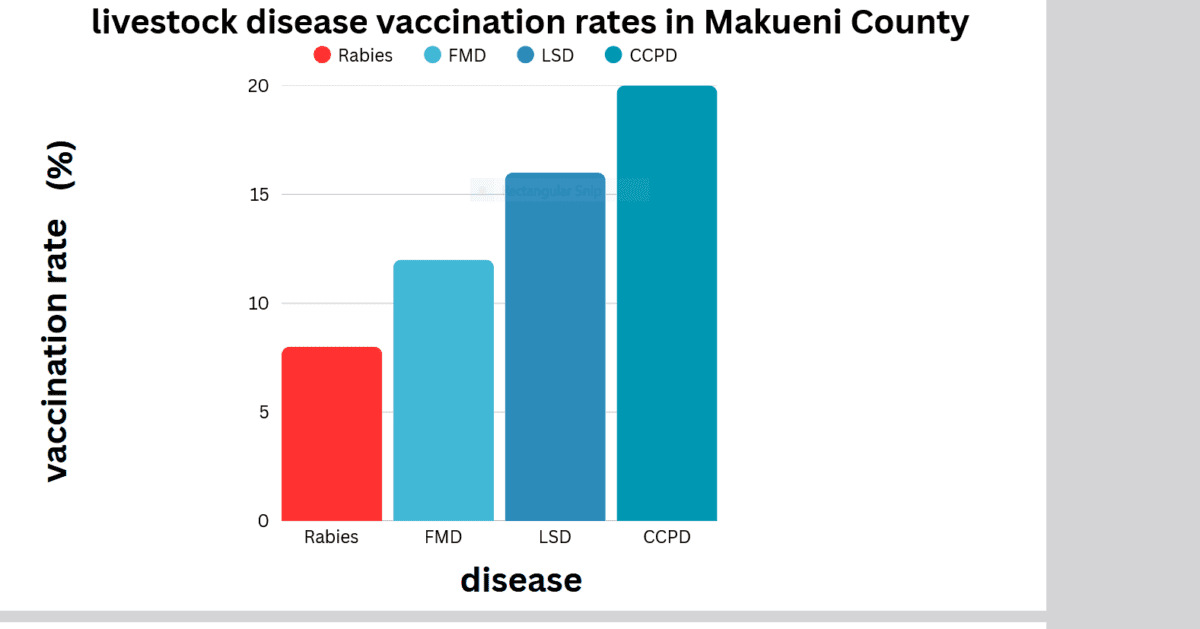
Key
FMD – Foot and Mouth Disease
LSD – Lumpy Skin Disease
CCPD – Contagious Caprine Pleuropneumonia
Candle of Hope’s experience shows that resilience is rooted in gendered governance. Women shoulder disproportionate burdens, yet when mobilised into policy processes, they drive stronger food security outcomes.
Policies that recognise and fund women-centred interventions—across community animal health, small-scale water infrastructure, and nutrition within CIDPs—advance gender equity while translating constitutional obligations into tangible household benefits.
The message from Makueni is clear and evidence-based: invest in small-scale water and irrigation; integrate climate-smart nutrition and agriculture into CIDPs; and institutionalise community-based animal and human health cadres through predictable funding and supervision.
“We need county money on paper and in the bank,” Ali says. When counties commit resources in this way, women’s kitchen gardens shift from exception to foundation—becoming the backbone of climate-resilient communities across Kenya’s drylands.

Leave a Reply