Budget the Period, Protect the Future
In refugee settlements like Kakuma and Kalobeyei, girls’ education is shaped as much by policy gaps as by poverty. Menstrual health, adolescent SRHR and protection services remain inconsistently funded and delivered. A refugee-led movement is now reframing these issues as matters of public finance and governance, pushing for budget lines, systems and accountability that protect girls at scale.
Sudi Omar remembers the first time a girl told her she had stayed home from school because she had no sanitary pad. It was not a one-off. In Kakuma and Kalobeyei, girls miss school for biological, economic, and social reasons. Policies promise protection. On the ground, they often fail.
A refugee herself, Sudi founded the Girl Power Action Initiative (GPI) after watching girls quietly disappear from classrooms. Her approach treats menstrual health, adolescent sexual and reproductive health and rights (SRHR), and gender-based violence (GBV) prevention as system challenges—not just acts of charity.
She integrates the distribution of hygiene kits and training on reusable pads with age-appropriate SRHR education, GBV awareness, and the establishment of safe spaces. Peer mentors are trained as first responders within schools and neighbourhoods.
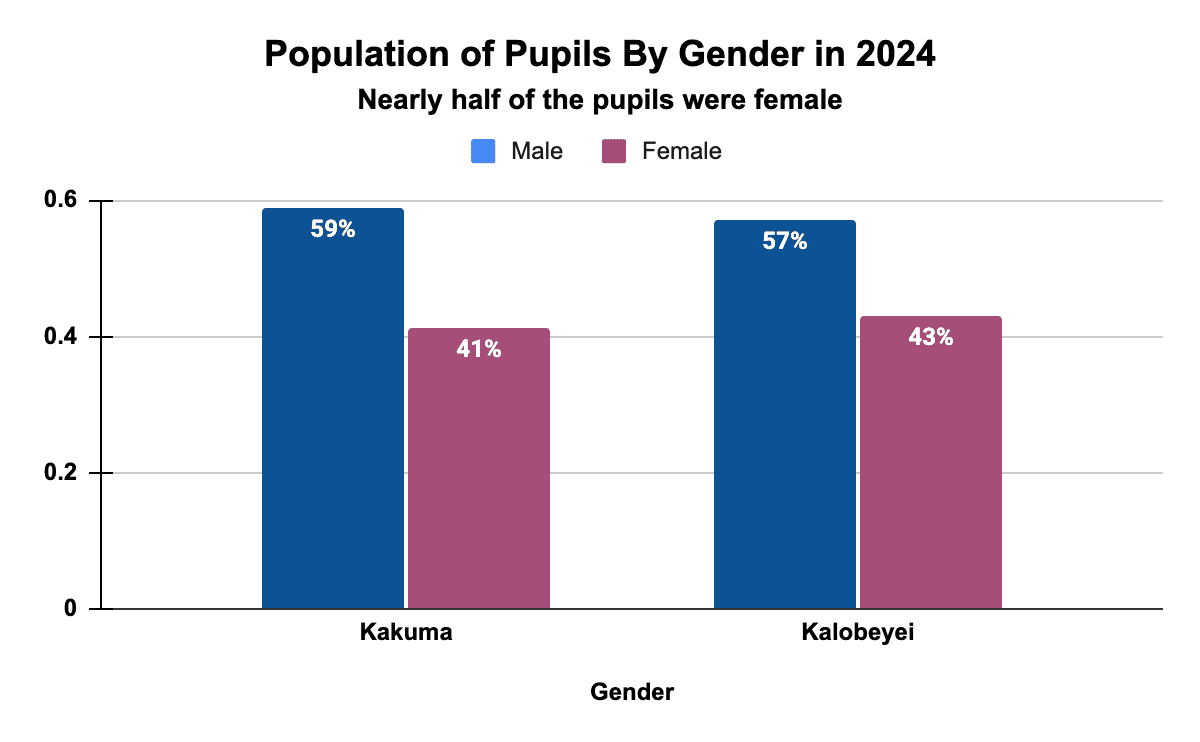
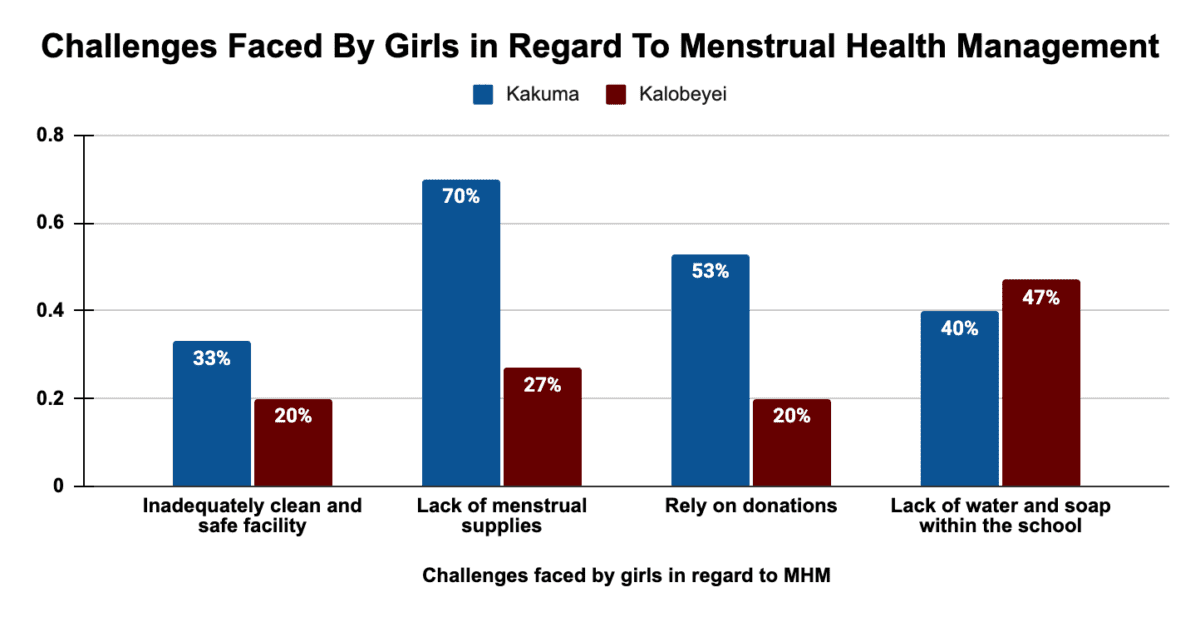
Community assessments and 2024 studies show that 50–70% of adolescent girls miss one to three school days each month due to menstrual poverty and poor sanitation facilities. Limited SRHR knowledge and weak protection systems increase vulnerability to early pregnancy, exploitation, and abuse.
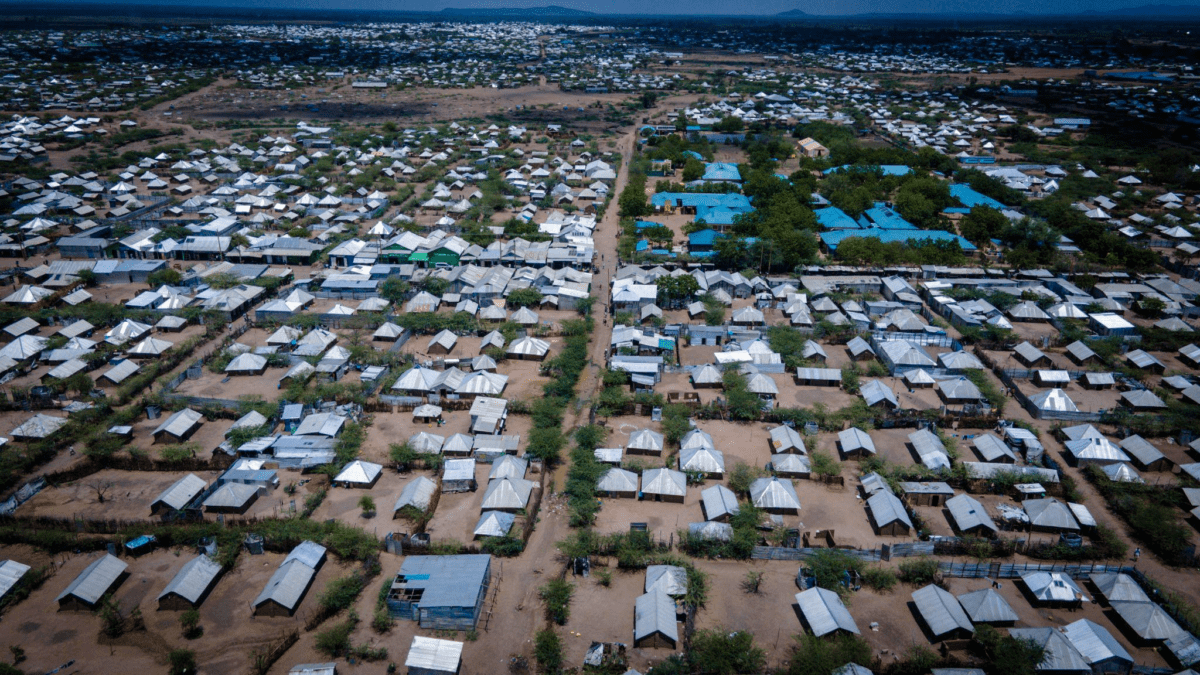
In a settlement of more than 300,000 refugees and host-community members in Turkana County, these gaps translate into lost learning, reduced opportunities, and continued dependency. “We can no longer wait for solutions from outside,” Sudi says. “We must act within our communities and push policy to match reality.”
Practical, frontline solutions
At the programme level, GPI’s model is simple but strategic. The initiative provides menstrual hygiene kits and trains girls to make reusable pads. It delivers SRHR education, runs GBV awareness sessions, and creates safe spaces where girls can learn, speak openly, and lead.
Mentorship and leadership training help girls move from silence to agency, while trained peer educators act as first responders in schools and neighbourhoods. But Sudi’s ambition extends beyond service delivery. She is pushing county education and health officials, donor agencies, and UN partners to adopt standards that make these interventions sustainable.
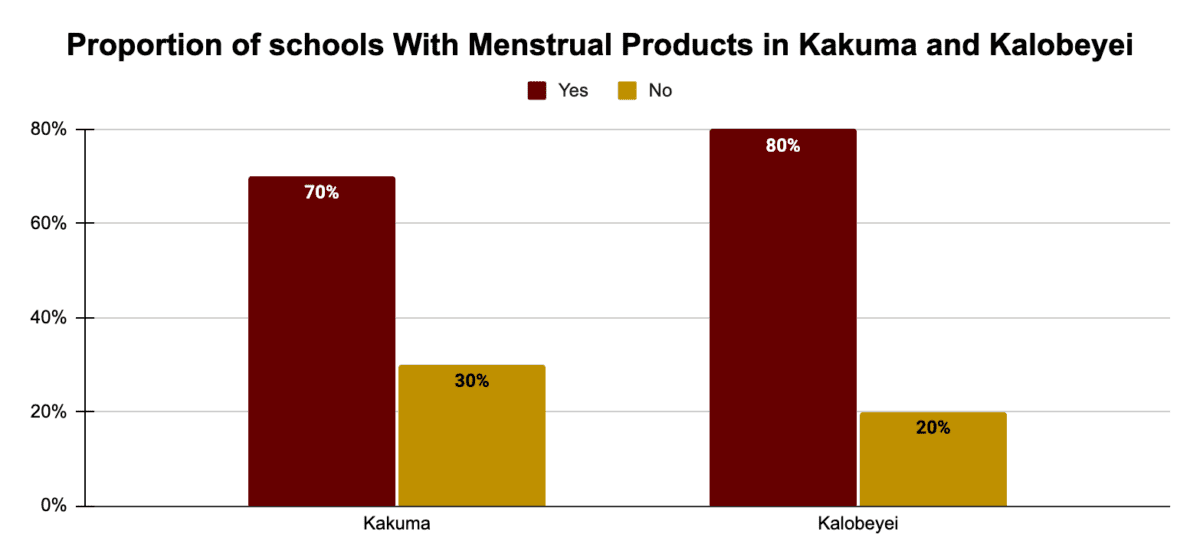
Her proposals include dedicated budget lines for menstrual health and adolescent SRHR, standardised sanitation facilities in schools, mandatory GBV-prevention and referral training for teachers, and integrated data systems to track attendance and protection outcomes. “If you want durability, you must budget for it,” she says. “Storytelling matters, but budgets decide.”
Humanitarian financing continues to prioritise response over prevention. Less than 2% of aid funding is allocated to GBV prevention, despite its wide-ranging effects on health, education, and livelihoods.
In refugee settings, where food and shelter dominate funding priorities, menstrual health and adolescent services are often left to short-term donations. This results in inconsistent supply chains for pads, insufficient teacher training, and sanitation facilities without privacy and water.
GPI is working to change this. It uses data from community surveys, school attendance records, and case documentation to engage policymakers directly. Sudi presents costed proposals to county officials and donors.
These focus on recurring allocations for menstrual supplies, maintenance budgets for WASH facilities, and pre-positioned stock before rainy seasons. They also include dedicated County Integrated Development Plan (CIDP) budget lines for adolescent SRHR in refugee-hosting areas.
Tactics that force the system to act
Sudi’s approach is procedural and persistent. She submits memoranda to the County Gender Technical Working Group and presents evidence during CIDP public participation sessions. She works with local NGOs to draft model budget language that Members of the County Assembly (MCAs) can adopt.
She also trains school administrators to record reasons for absenteeism, ensuring that missed days due to menstruation are captured in the Education Management Information System (EMIS). By connecting programme outcomes to procurement and budgeting cycles, she transforms an unseen problem into a measurable responsibility.
The strategy is already yielding positive results. After GPI distributed menstrual kits and conducted peer-led sessions across ten schools in 2023–2024, teachers reported an improvement in student attendance. Parents noted an increase in confidence and participation among girls.
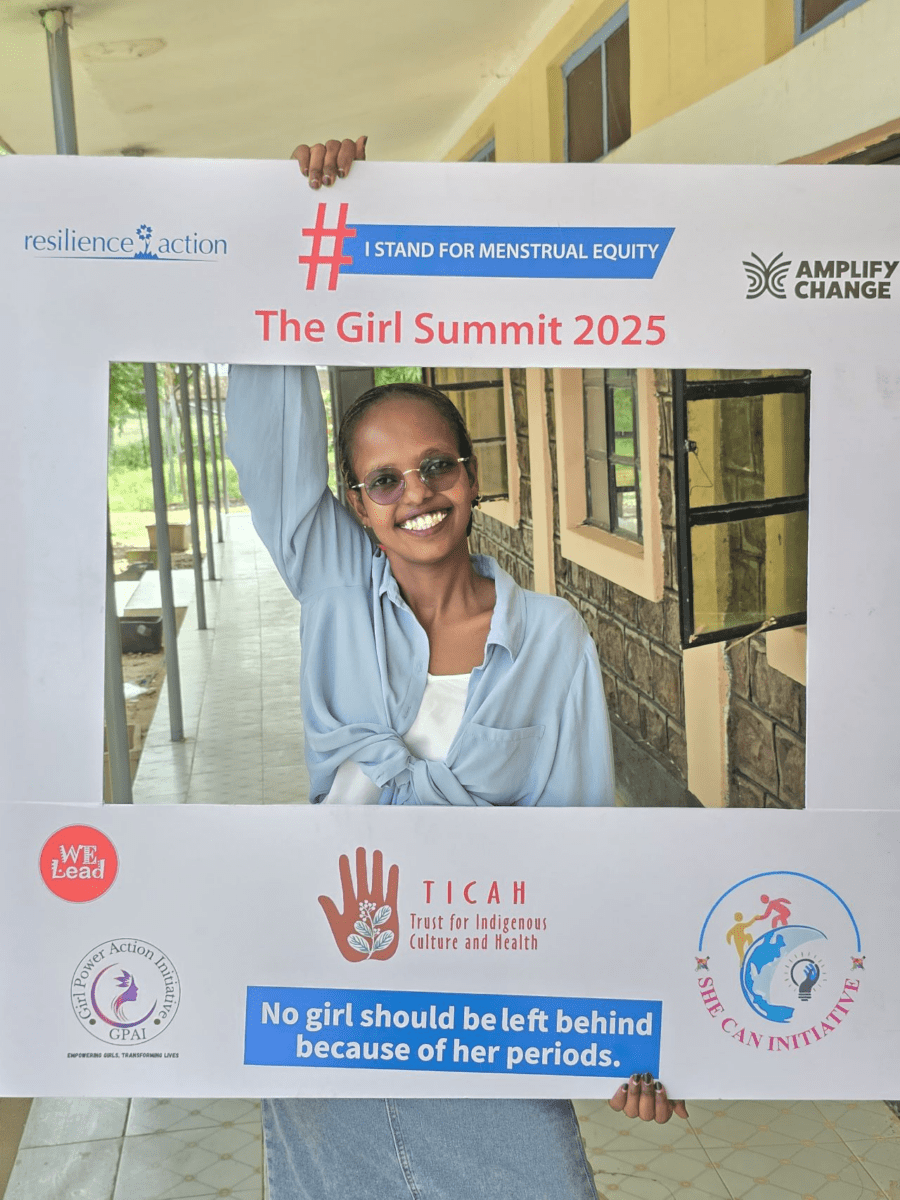
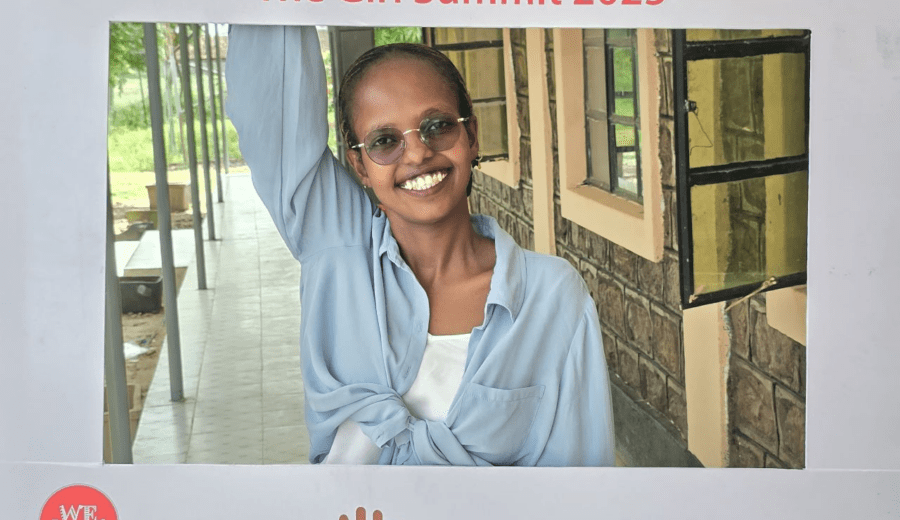
Some schools introduced segregated latrines and modest privacy improvements. A two-day Girls Summit held on Menstrual Hygiene Day 2025 brought together young advocates who publicly called for a county plan to end period poverty. The summit also produced clear policy demands, which GPI compiled into a formal submission to the county’s education and health departments.
Sudi is clear about the limits. “What we challenge is not just poverty—we challenge power,” she says. Sustaining change requires predictable funding and political commitment. So far, progress has been uneven. Donor support is often short-term, and county co-financing remains inconsistent. Scaling beyond pilot schools in Kakuma and Kalobeyei will require stronger national alignment, including integration into education, WASH, and refugee policy frameworks.
Legal framework
Kenya’s legal framework recognises girls’ rights to education and protection. The 2010 Constitution guarantees equality (Article 27) and the rights to health and education (Article 43). Devolution assigns counties the responsibility for planning and financing key services through instruments such as the CIDP and annual budgets.
However, these commitments are not consistently reflected in practice. Sudi’s advocacy focuses on translating legal guarantees into funded, operational systems. Mitch Ambatsu, field coordinator for Kakuma operations at the Refugee Consortium of Kenya (RCK), supports this view. He argues that counties hosting refugees must establish clear, dedicated budget lines for menstrual health, adolescent SRHR, and GBV prevention.
These should be embedded in CIDPs and annual budgets, covering menstrual supplies, WASH maintenance, school counselling, and referral systems. “If counties treat menstrual health as a recurring obligation, not a one-off project, girls stop being a short-term fix and become a long-term priority,” he says.
Ambatsu also calls for stronger national coordination. He urges the Ministries of Health and Education to issue joint technical guidelines for refugee-hosting schools. These should include gender-segregated sanitation, safe disposal systems, teacher training on SRHR and GBV referrals, and school-based psychosocial support linked to clear referral pathways.
“Clear protocols remove uncertainty at the school level and guide staff on how to respond,” he adds.
He further recommends integrating menstrual absenteeism and GBV indicators into EMIS and health systems, alongside procurement reforms that enable pooled purchasing and buffer stocks. Counties should also publicly report allocations and spending to strengthen accountability. “Data and predictable procurement make this auditable,” he says. “Without that, nothing sticks. This is budget politics, not charity.”
Sudi reinforces this point. “We are asking for practical changes—sinks with locks, pads in the supply chain, trained teachers and counsellors, and money in the budget,” she says. “That is how you stop supporting girls one by one and start protecting whole generations.”
Connecting local action to continental commitments
GPI’s work aligns with broader continental priorities. Agenda 2063 calls for inclusive education and women’s empowerment, while the AU Gender Equality and Women’s Empowerment Strategy emphasises investment in girls’ health and learning.
In Kakuma, these commitments are proven in practice through county budgets, procurement systems, and school infrastructure. When national and county systems align with these goals, impact can scale.
Sudi reframes protection as a governance issue. Documented cases of abuse, early pregnancy, and school dropout compel institutions to act. GPI collaborates with GBV referral networks to improve response times, and with legal aid actors to pursue cases where necessary. It also pushes for clear standard operating procedures so that vulnerable girls are not passed between agencies, but quickly connected to psychosocial, medical, and legal support.
When procurement lines, training systems, and CIDP provisions are in place, frontline workers can be held accountable. GPI recognises that solutions must be locally grounded. The initiative engages parents, community leaders, and religious figures through dialogue and training, helping shift norms around menstruation, education, and protection.
Digital campaigns and local media amplify these conversations, while girls themselves take on leadership roles—facilitating sessions, mentoring peers, and representing their schools in public forums.
External validation and persistent gaps
External partners are taking note. UNHCR Kakuma and local NGOs emphasise the value of refugee-led initiatives, which are closely aligned with lived realities. “Refugee-led organisations understand the challenges on the ground,” says Mangati Conzana, Youth Activities Coordinator at UNHCR Kakuma. “Programmes must respond to those realities, not follow generic models.”
Yet funding remains the central constraint. “We can replicate training and community engagement quickly,” Sudi says, “but lasting change requires counties to budget and national systems to provide guidance.”
Ambatsu offers a direct assessment: “National strategies promise inclusion on paper, but without predictable county financing, refugee girls still pay the price.” He adds, “Short funding cycles create a boom-and-bust cycle. Counties need to commit recurring resources so gains do not evaporate when a donor moves on.”
Sudi’s argument is ultimately about governance. Rights without budget allocations remain unfulfilled. By incorporating menstrual health and adolescent sexual and reproductive health and rights (SRHR) into public budgets, she transforms the issue from a matter of charity into one of public responsibility.
This shift opens up practical avenues for action, such as incorporating budget lines in the CIDP, adjusting procurement rules, enhancing teacher training, and implementing small administrative reforms. When these measures are institutionalised, they can significantly protect and benefit girls on a large scale.
On the ground, the change is visible. Girls who once missed school now attend more regularly. Parents report greater confidence in their daughters. Teachers who once overlooked cases now initiate referrals. Where silence once allowed abuse to persist, transparency is beginning to break that cycle.
GPI’s model offers a pathway for other refugee settings. It demonstrates that when communities generate evidence, engage policy processes, and secure budget commitments, local solutions can be scaled effectively.
Sudi’s message is clear: embed protection in budgets, integrate it into systems, and make it measurable. Ambatsu puts it clearly: “If counties treat menstrual health and adolescent SRHR as ongoing obligations, not one-off projects, we will see lasting change. That is budget politics, not charity.”

Leave a Reply