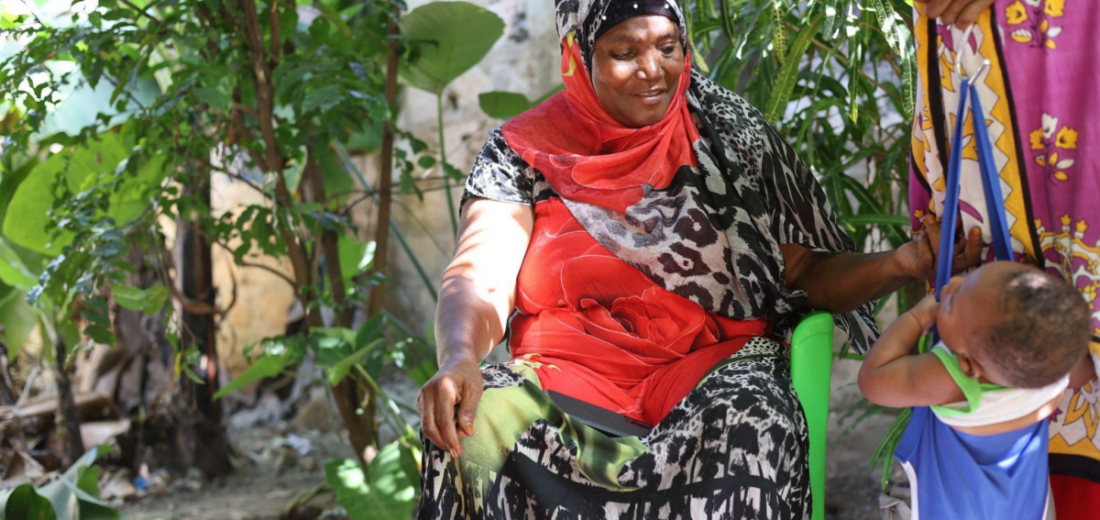
Demystifying Cultural Beliefs to Lower Infant Mortality in Kilifi County, Kenya
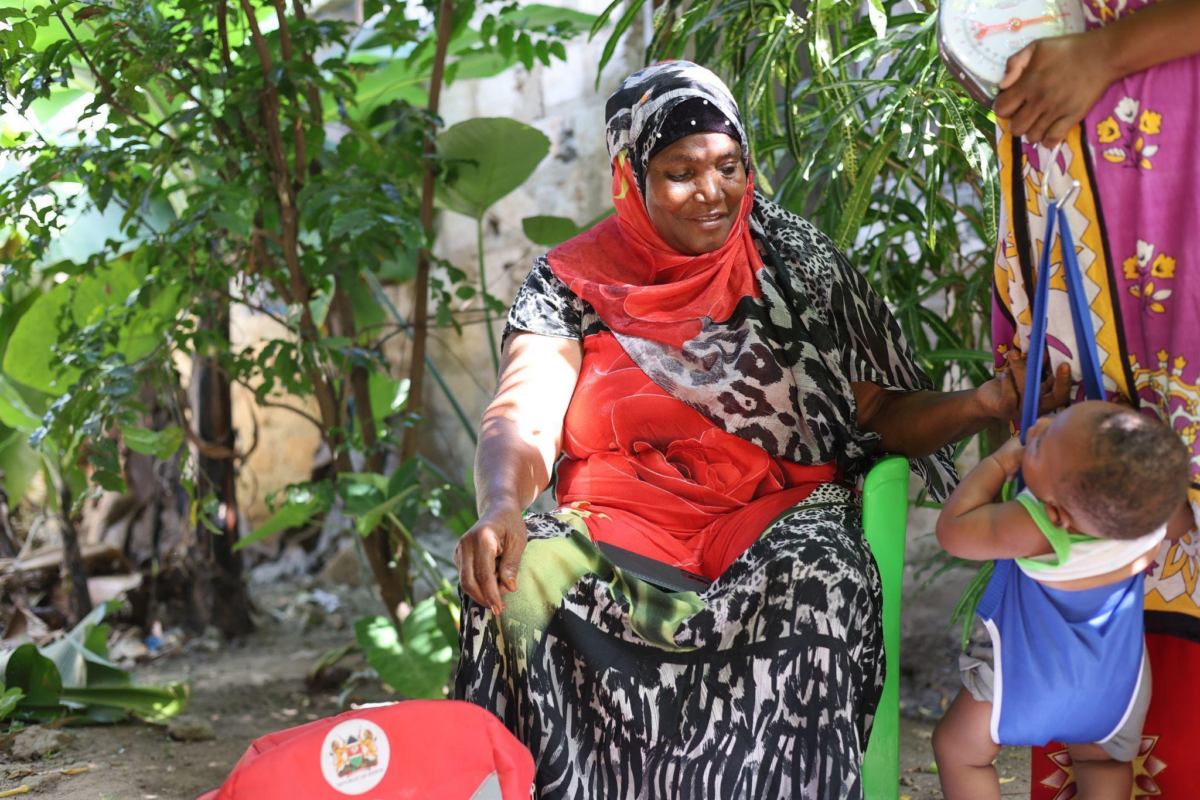
She moves from door to door to spread vaccination awareness campaigns, educating parents on the importance of vaccinating every child aged five and below. [Marion Kithi]
Efforts to improve child immunisation in Kilifi County highlight a deeper tension between cultural beliefs, access barriers, and health system capacity. At the centre of this shift are community health promoters, working to translate national policy into real change at the household level.
In many households across Kilifi County, cultural beliefs continue to outweigh medical advice. This is particularly concerning for families with newborns and children under five, an age group where immunisation is critical to survival. Yet, deeply rooted traditions often discourage vaccination, exposing children to preventable diseases such as measles and chickenpox, and increasing the risk of early mortality and long-term complications.
This tension is reflected within Kilifi County’s primary healthcare system, where immunisation planning, funding, and outreach are coordinated through county health departments under Kenya’s devolved governance framework.
Jemima Katana, 76, a grandmother from Dodosa village in Kilifi County and a member of the Mijikenda community, raised her children without vaccinating them. She believed ancestral spirits would protect their health.
“My son is named after his great-grandfather, who was a seer. In our culture, we believe he watches over his health,” Katana says.
She also believed that vaccinated children had weaker immunity compared to those who were not vaccinated. This perception changed when she encountered Mwanamkasi Hassan during one of her community outreach campaigns.
Mwanamkasi began her work in 2014, moving from home to home to educate parents on the importance of vaccinating children under five. Through persistent engagement, she encouraged families to visit health facilities and adhere to immunisation schedules.
“My goal is to ensure no child is left behind. Every child should receive all required vaccinations by 18 months and continue attending clinic visits until the age of five,”
Mwanamkasi says.
Immunisation trends
According to the Kilifi County 2025 Long Rains Food and Nutrition Security Assessment Report, 76% of children in Kilifi County had been fully immunised against communicable diseases as of June 2024. Measles vaccination coverage stood at 76.7%, reflecting a 2% decline compared to the same period the previous year
Findings from the Kilifi County 2025 Long Rains Food and Nutrition Security Assessment Report, drawing on the Nutrition SMART survey conducted in June 2023, indicate that coverage of all basic antigens among children aged one stood at 89.8%, while measles coverage was at 80%.
The report further attributes the recent decline in immunisation indicators to vaccine stockouts experienced in many health facilities between March and May 2024, which disrupted services and weakened health-seeking behaviour.
Despite these challenges, the gains in immunisation coverage reflect sustained, coordinated efforts by healthcare workers and Community Health Promoters (CHPs). Through consistent community engagement, they have worked to dispel myths and challenge entrenched cultural beliefs that have historically hindered vaccine uptake and placed infants at risk.
These efforts align with Kenya’s broader commitment to universal immunisation under its national health policy and devolved healthcare system, as well as continental priorities under Agenda 2063 to improve access to basic healthcare and reduce child mortality.
Mwanamkasi Hassan serves more than 234 households, making daily rounds to ensure parents follow recommended vaccination schedules for their children. After nearly a decade of continuous outreach, she has witnessed a gradual but significant shift in attitudes.
“I can confidently say that cases of kifaduro (whooping cough) and pindamongo (curved back) have almost disappeared in this area, compared to before,” she says.
She has just completed a training session with Gladicy Kadzo, a nursing mother, on the importance of vaccinating children under five. Kadzo credits these community awareness efforts with helping her stay on track with her child’s immunisation schedule.
“Back then, I didn’t see the need to vaccinate my child because my culture was against it. We believed that children were protected by their ancestors,” she says.
“My son has already received the measles vaccine. The government should empower CHPs and allow them to administer vaccines during door-to-door visits, especially for families in hard-to-reach areas.”
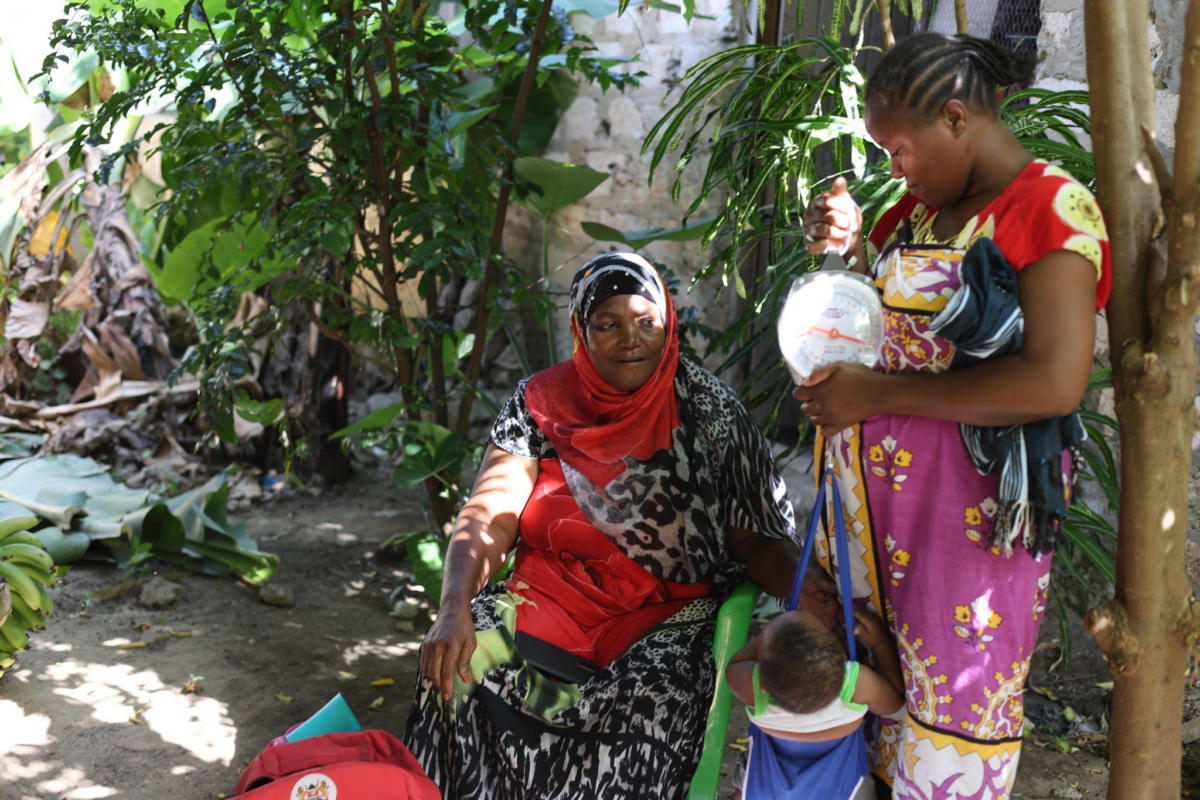
Undocumented and unvaccinated
“Children born at home often remain undocumented and unvaccinated. When they die, they are buried without ever being recorded in government systems,”
Mwanamkasi says.
Each month, she visits more than 80 households, making referrals to health facilities whenever a child is unwell. Her work is driven by a strong sense of responsibility to her community, grounded in the belief that prevention is better than cure. She also explains that pindamongo (curved back) is a childhood condition that can lead to death if left untreated.
Over the years, Mwanamkasi says community attitudes toward immunisation have shifted significantly, largely due to sustained awareness efforts. “The community’s perspective on child vaccination has improved. Before, people used to demonise immunisation,” she says. “They would say, ‘hizo chanjo zina mashetani’—those vaccines have demons.”
Community Togetherness for Wellness
She recalls a time when communities rejected even basic public health interventions. “People used to refuse elephantiasis drugs and throw them away. But when we began working as CHPs, acceptance improved. Now, those who miss out even come back to ask for the drugs,” she says.
Today, mothers who miss vaccination appointments actively seek her out for guidance—something that was rare in the past. Mwanamkasi also participates in public barazas—community forums where health issues, including immunisation, are discussed as part of local decision-making processes. “The community has embraced me. Challenges are fewer now. We hold public barazas to educate people on the importance of timely child vaccination,” she explains.
In addition to vaccination awareness, she supports broader child health interventions. Working with Kilifi Referral Hospital, she distributes vitamin A supplements and deworming medication to children every six months. “When I administer the drugs, I record each child’s name to ensure I don’t give them to those who are not yet eligible,” she says.
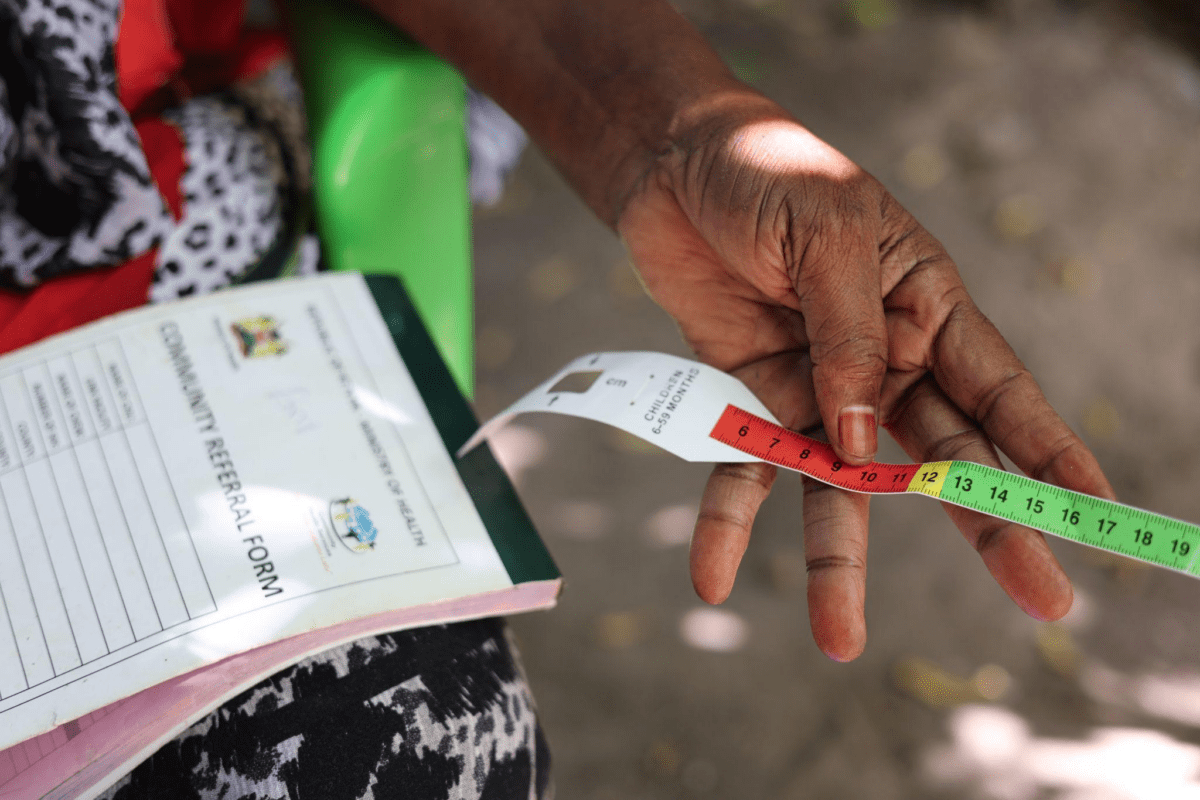
During her visits, Mwanamkasi also trains mothers to identify signs of malnutrition using the Mid-Upper Arm Circumference (MUAC) bracelet—a simple, tri-coloured tool used to assess nutritional status. A yellow or red reading indicates moderate to severe acute malnutrition and signals the need for immediate medical attention.
“I train mothers to screen their children using the MUAC bracelet. It’s a simple tool that helps prevent their condition from worsening,” she says. “When a child is at risk, I refer them to a health facility and continue to follow up until they recover.”
According to the Kilifi County 2025 Long Rains Food and Nutrition Security Assessment Report by the County Technical Steering Committee, Kilifi recorded 40 measles outbreak cases in 2025, with Magarini sub-county accounting for 32 of them. The report also indicates an under-five mortality rate of 0.17% and a crude death rate of 0.10%.
Nationally, the challenge persists. According to UNICEF, fewer than 50% of children in Kenya have received the recommended doses of both measles and rubella vaccines.
Despite progress, structural constraints within the county health system continue to limit full immunisation coverage. These include delayed funding for Community Health Promoters (CHPs), limited outreach resources, and persistent access barriers in remote areas.
Mwanamkasi notes that even in Kasarani, an urban setting, mobility remains a challenge. Some households frequently relocate, making consistent follow-up difficult. At the same time, she has observed positive behavioural shifts. More mothers are choosing to deliver in health facilities rather than at home, improving early access to immunisation services.
“Pregnant women have changed. They no longer rely on traditional birth attendants for massages and are increasingly delivering in hospitals, which makes it easier for their children to begin vaccinations early,” she says. “What keeps me going is the love for my community. These are my neighbours—knowing they are safe and well is my priority.”
Her awareness efforts have also contributed to improved child care practices, including exclusive breastfeeding for the first six months of life—an essential foundation for child health.
Exclusive breastfeeding rates in Kilifi County have been rising. Data from the District Health Information System (DHIS) shows an increase to 91.4%, up from 86.6% in 2022. Meanwhile, KAP Survey data from May 2024 indicates that early initiation of breastfeeding stands at 70%, with exclusive breastfeeding at 86.6%. SMART survey findings further point to broader improvements in child care practices.
Before Mwanamkasi began her outreach work, many parents who did not visit health facilities had little to no access to information on vaccination, as awareness was largely confined to hospitals. “When a mother only takes her baby to the hospital when the child is sick, that is often the first time healthcare workers ask whether the baby has been vaccinated,” she explains.
Frontline Struggles
To carry out her work more effectively, Mwanamkasi is calling for increased financial support from the government to ease mobility and outreach efforts.
According to the Ministry of Health, the government launched a KSh 3 billion stipend programme for Community Health Promoters (CHPs). Under this framework, each CHP is entitled to KSh 2,500 from the national government, matched by KSh 2,500 from county governments, bringing the total monthly stipend to KSh 5,000.
However, Mwanamkasi says delays in county disbursements continue to undermine their work. “The county does not pay us on time. They owe us several months’ stipend, which affects our operations,” she says, pointing to the critical role of county governments in sustaining community health services.
She adds that inconsistent payments make it difficult to move around and reach households regularly. “We are doing our part. Let the government also do its part. We need their support for the benefit of the community,” she says.
Mwanamkasi recalls a case that reflects both the challenges and impact of her work. “Back then, I visited a family that had neglected a sick child. I took the baby to the hospital, where he received treatment and began his vaccination schedule, even though it was delayed,” she says.
The child had been neglected after losing a parent and was living with HIV. He had not been born in a hospital and had missed early immunisation. Through Mwanamkasi’s intervention, the child recovered and completed his vaccination schedule. “He is now in high school. He calls me his mother, and whenever he has a problem at school, he reaches out to me,” she says.
Strengthening the system
Driven by the efforts of Mwanamkasi and other community health stakeholders, vaccination coverage in Kilifi County has improved significantly.
Her work reflects a broader shift within Kenya’s devolved health system, where Community Health Promoters (CHPs) are increasingly central to bridging the gap between policy and practice—especially in regions where cultural beliefs and access barriers continue to shape health outcomes.
Kilifi County Health Director, Dr Hassan Lela, says that 60.7% of children in the county were immunised in the last financial year. “We have been conducting large-scale outreach programmes in collaboration with the Ministry of Health, using a multidisciplinary approach across all seven sub-counties. We expect both coverage and access to continue improving,” he says.
To strengthen awareness, the county has partnered with various organisations to expand vaccination campaigns. “We are increasing community awareness and improving access to vaccination services. One of our key priorities is to empower communities with the right information so they can access these services for themselves and their children,” Dr Lela adds.
He also emphasises the importance of facility-based deliveries in ensuring timely immunisation. “It is critical that mothers attend antenatal care and deliver in health facilities. This helps ensure that children receive the correct vaccine doses and are fully immunised by the age of two,” he says.
In addition, Dr Lela has urged parents to consent to HPV vaccination for girls aged 10, which is administered through schools as part of efforts to prevent cervical cancer.
Last mile barriers
Kilifi County Primary Healthcare Coordinator Edward Mumbo says all primary healthcare centres in the county have the capacity to provide vaccines prescribed by the Ministry of Health across all age groups—from routine childhood immunisation to vaccines for pregnant women and girls aged 10 to 14.
“All community health units serve as immunisation points. They also play a key role in advocacy, mobilisation, and promoting vaccination services across the county,” he says.
However, Mumbo identifies limited partner support as a major challenge. With few implementing partners, the county government remains the primary driver of immunisation services, which constrains outreach—particularly in hard-to-reach areas such as Ganze and Magarini sub-counties.
“Funding for outreach is very limited. As we speak, there are still communities that struggle to access immunisation services. Some people have to walk more than ten kilometres to reach a health facility,” he explains.
He also points to persistent misconceptions, particularly around the Human Papillomavirus (HPV) vaccine, which protects girls aged 10 to 14 against cervical cancer.” Some communities still have misconceptions about the HPV vaccine, which has led to low uptake,” he says.
To address this, the county is developing targeted strategies to improve acceptance. “We are working to change community perceptions and encourage parents to bring their daughters for vaccination,” he adds.
Mumbo emphasises that demand for vaccination remains low in some areas, underscoring the need for continued advocacy at the household level. “We need sustained mobilisation so that vaccination becomes a priority within families,” he says.
The county is also seeking to strengthen collaboration with the Ministry of Education to improve vaccine uptake in schools. “Sometimes when vaccination teams visit schools, teachers do not allow students to be vaccinated. We need teachers, parents, and healthcare workers to work together to support these efforts,” he notes.
He adds that the integration of Community Health Promoters (CHPs) into immunisation campaigns has helped expand outreach and address gaps in awareness. “CHPs play a critical role in following up with households, educating communities, and strengthening vaccination programmes,” he says.
While awareness of vaccination has improved significantly, Mumbo cautions that gaps remain, particularly in sustaining demand and ensuring consistent access.
As Kilifi County continues to expand its immunisation efforts, the progress made at the community level raises a broader question: whether these gains will be matched by sustained institutional support, adequate financing, and accountability within the health system, or risk stalling without them.

Leave a Reply